What to Wear Skiing & Snowboarding in Spring: 10 Essentials

Updated November 2026 · By the Absolute-Snow team · 5 min read
Spring skiing and snowboarding bring bluebird days, softer snow, park laps, and more laid-back vibes on the slopes.
But with rising temperatures, variable snow conditions (from slushy laps to powder days!), and stronger sun exposure, knowing what to wear is key to staying comfortable all day.
Here’s your essential guide to dressing for spring riding.
Quick answer: what should I wear for spring skiing or snowboarding?
Go lighter and more breathable: a thin base layer, a packable fleece or gilet, a waterproof shell instead of an insulated jacket, lighter gloves, thin socks and a vented helmet. Bring high-SPF suncream, sunglasses and a small backpack for the layers you take off as it warms up.
| Item | Midwinter | Spring |
|---|---|---|
| Base layer | Midweight thermal | Lightweight or short-sleeved |
| Mid layer | Fleece or down | Optional fleece or gilet, kept in your bag |
| Jacket & pants | Insulated, or a shell with layers | Waterproof shell or softshell with vents |
| Gloves | Insulated gloves or mitts | Lightweight gloves, plus liners for cold mornings |
| Goggles | Low-light lens | Photochromic or interchangeable lenses |
| Extras | Hand warmers | Suncream, SPF lip balm, sunglasses and a backpack |
Jump to a Section
What do I Wear When Skiing or Snowboarding in Spring?
1. Base Layers: Stay Dry & Comfortable
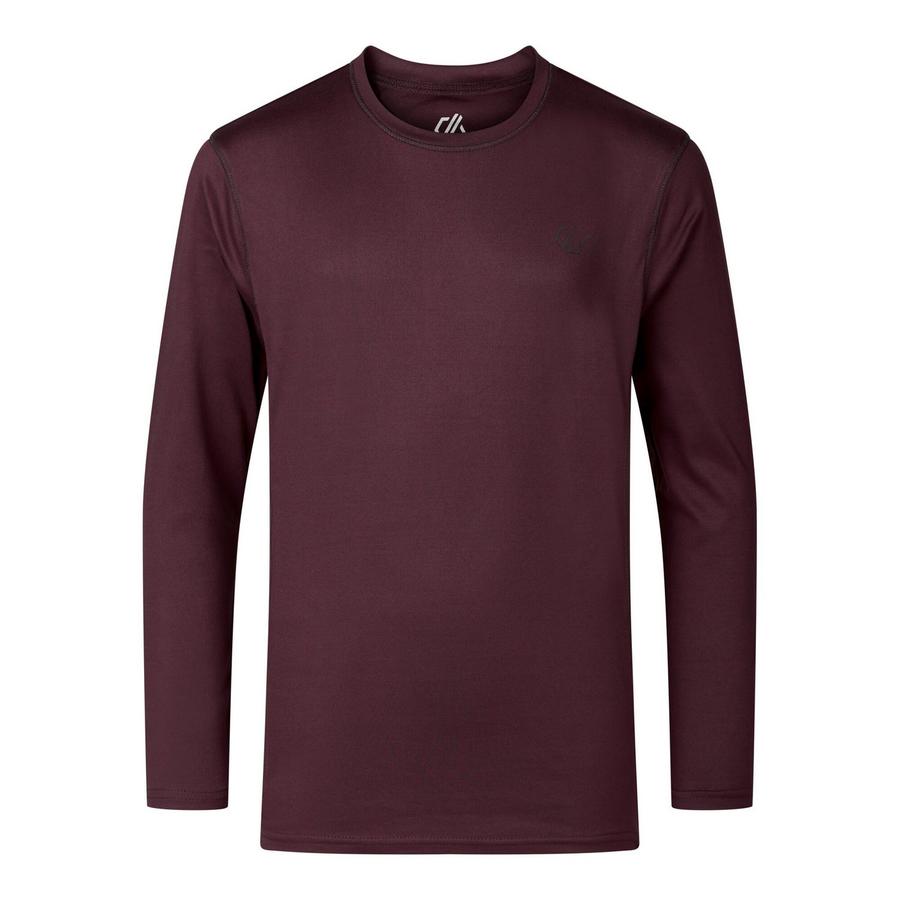
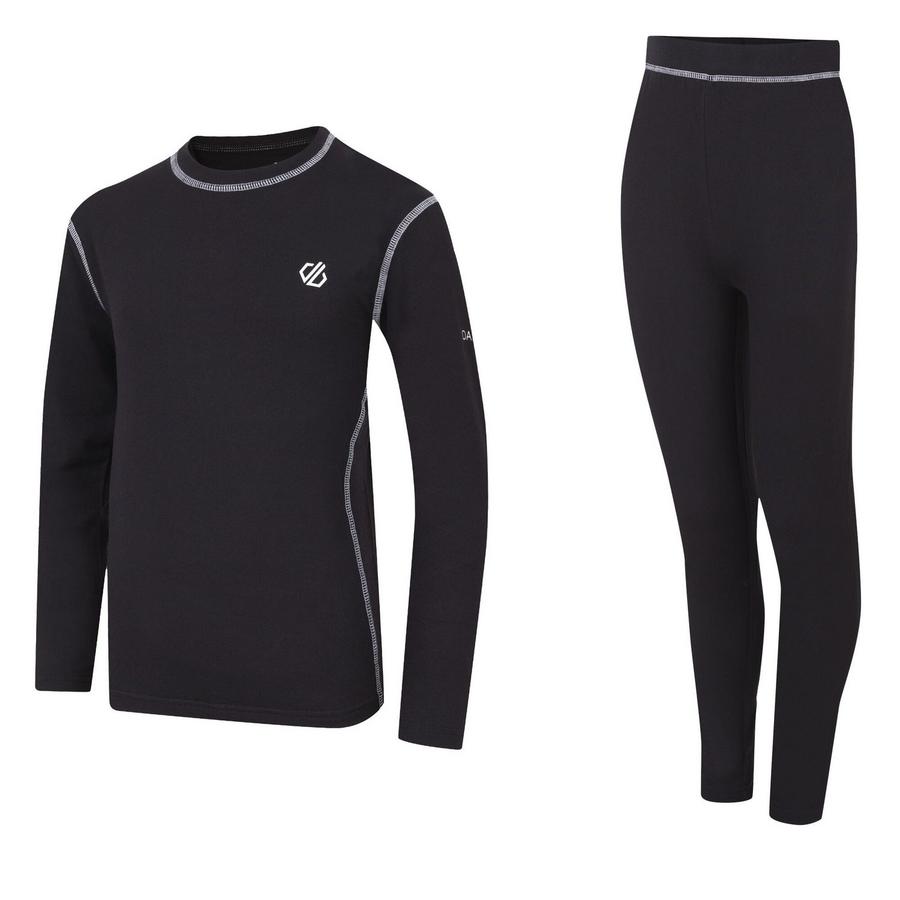
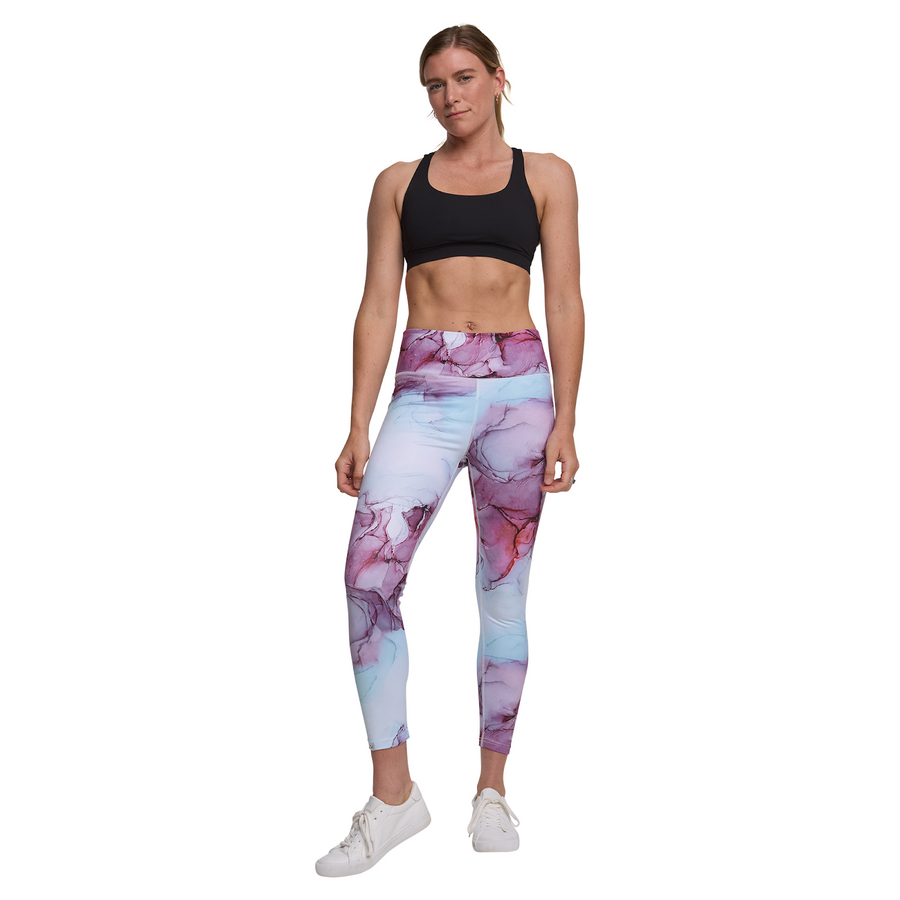
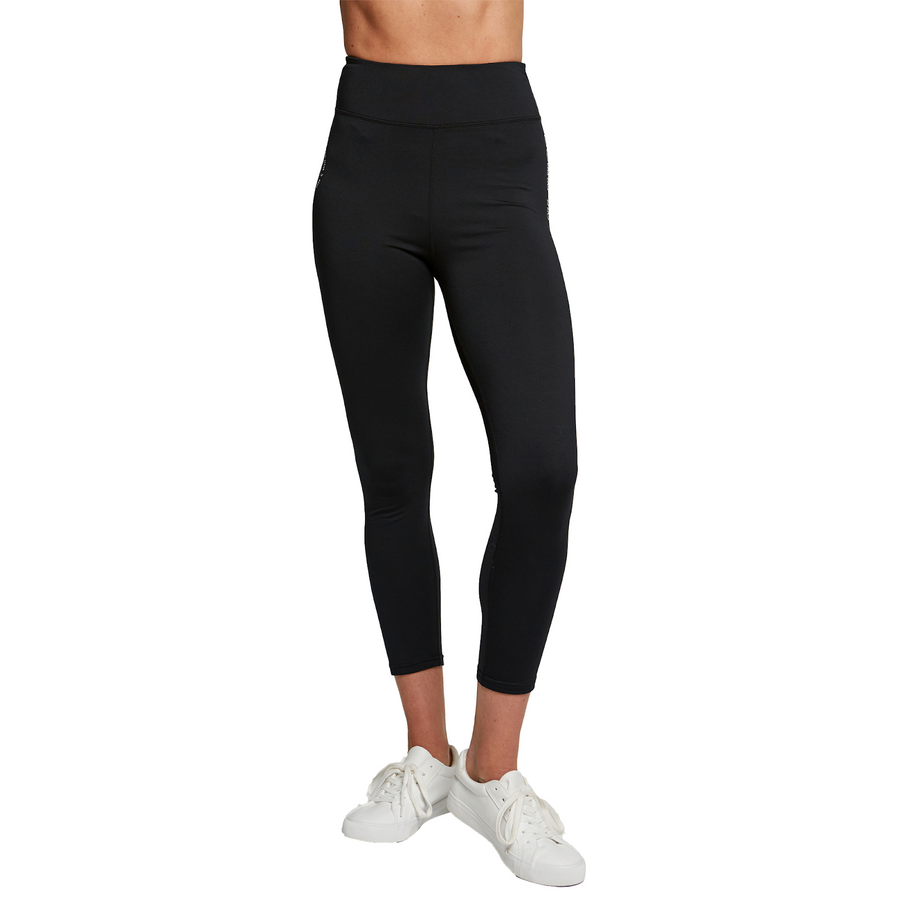
Even in spring, a moisture-wicking base layer is crucial. Temperatures can fluctuate, and you’ll still work up a sweat, especially in slushy conditions. Opt for lightweight, breathable materials like merino wool or synthetic fabrics that wick moisture and dry quickly. Ditch the heavy thermals and go for short-sleeved or lightweight Long-Sleeved Base Layers for optimal comfort.
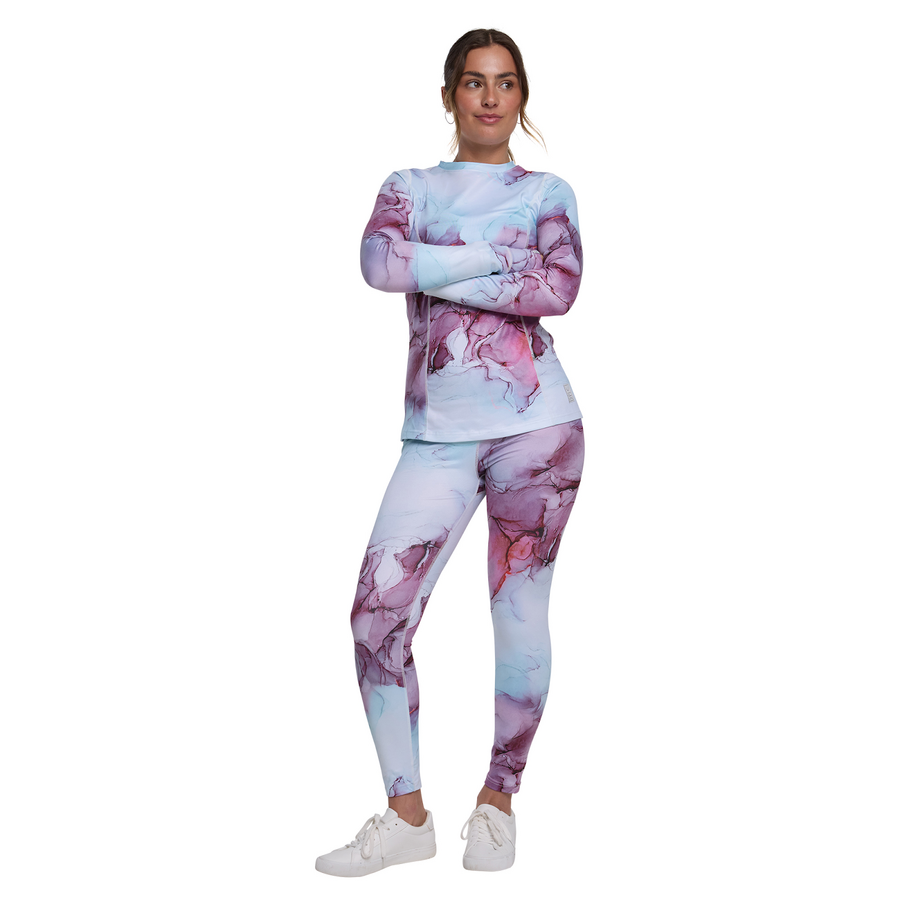
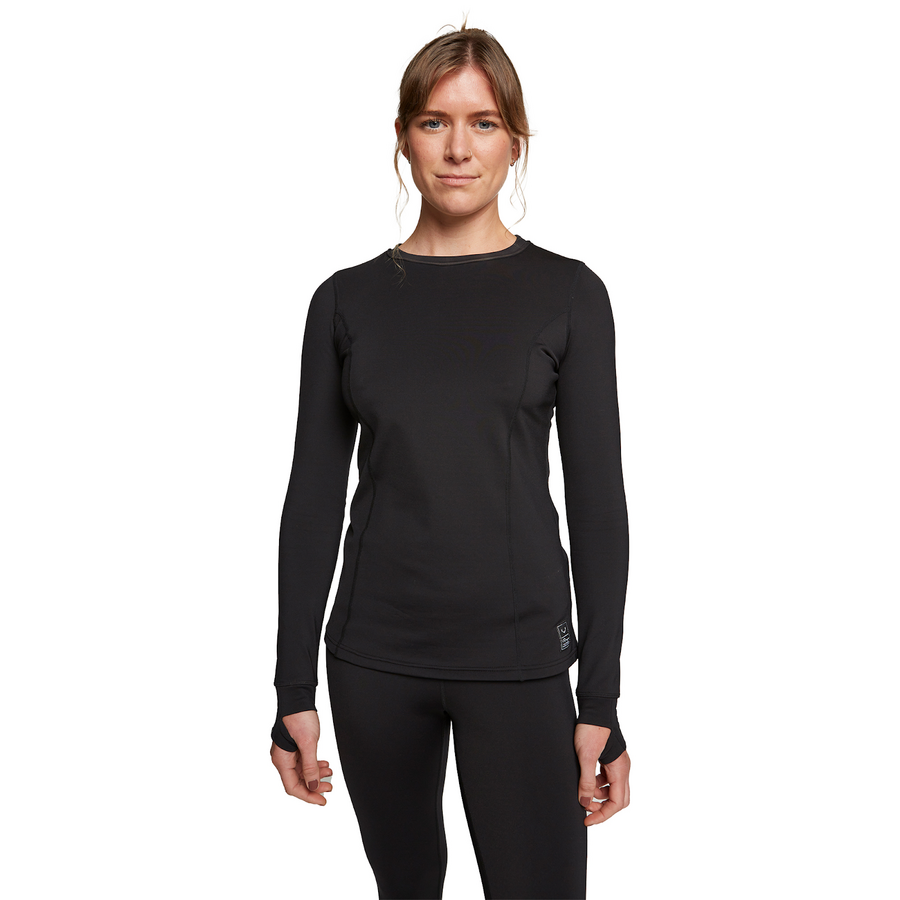
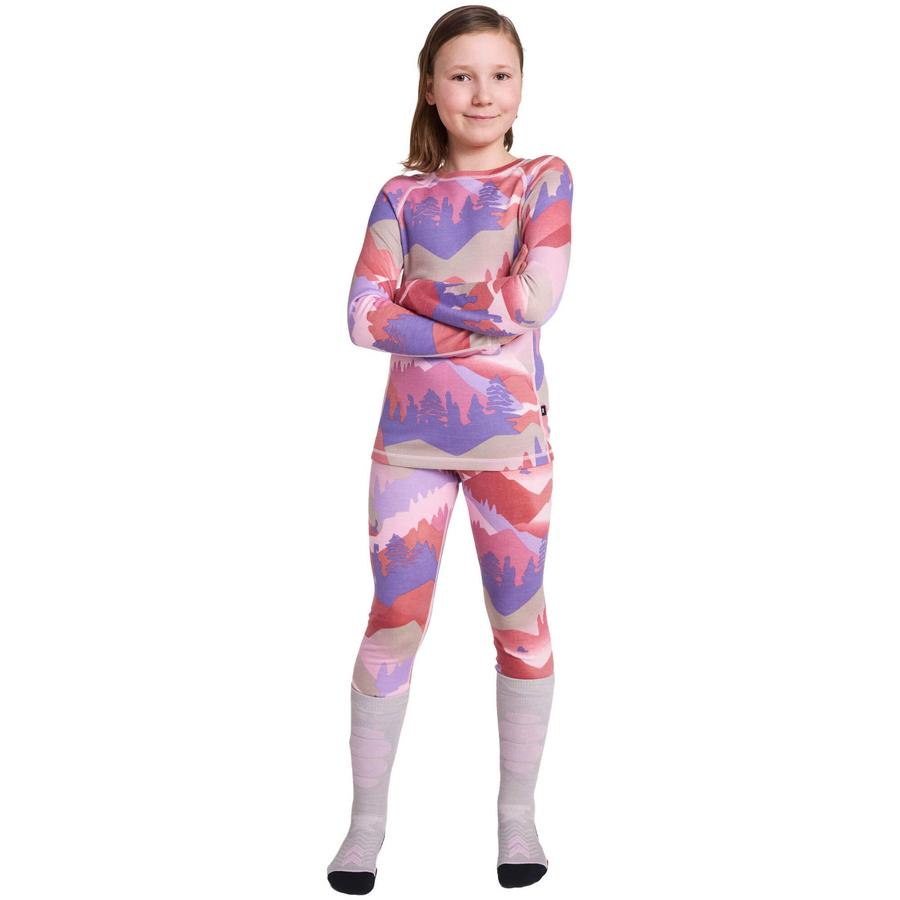
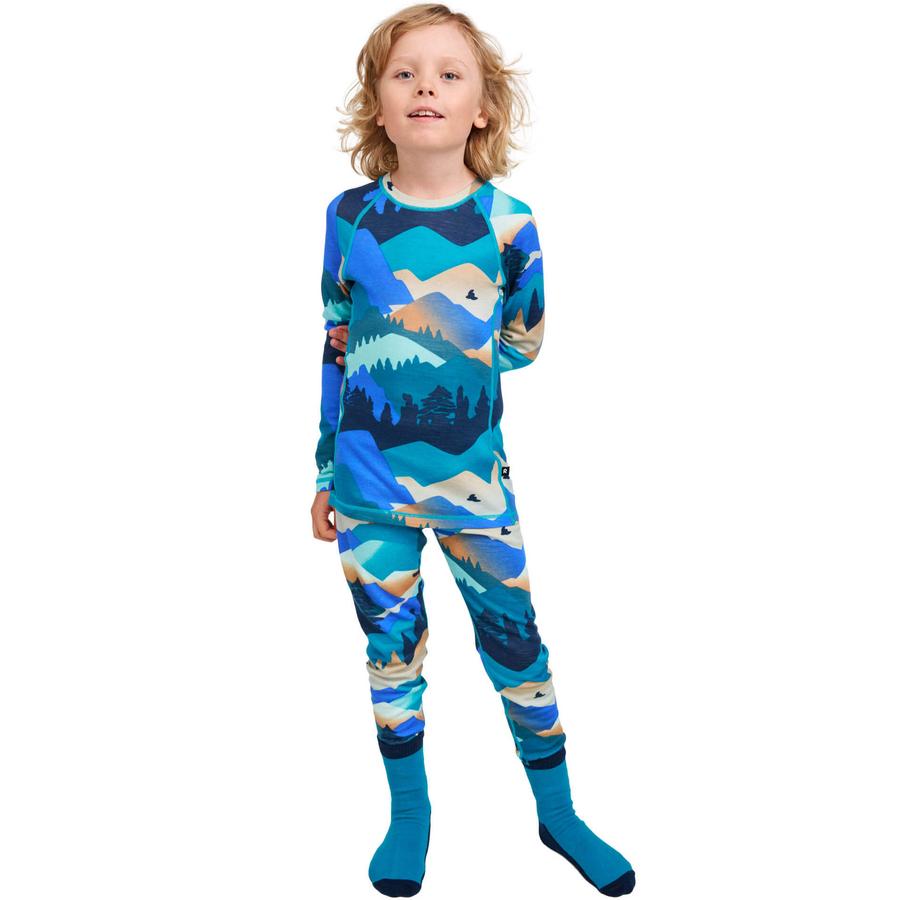
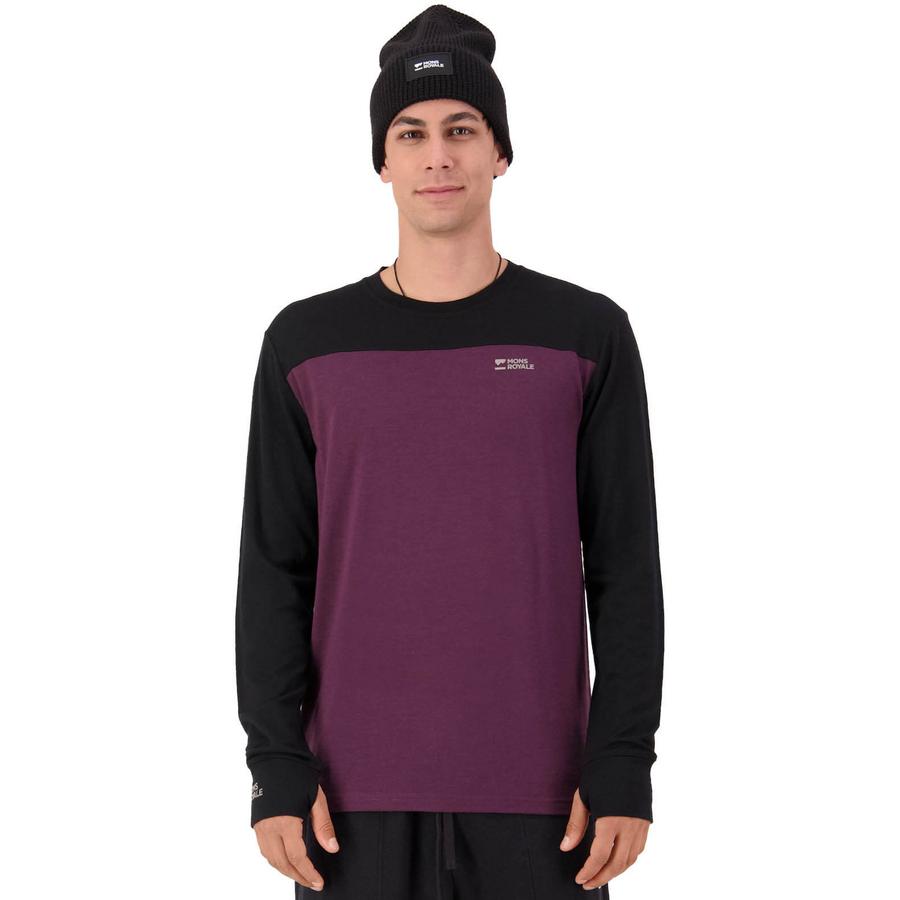
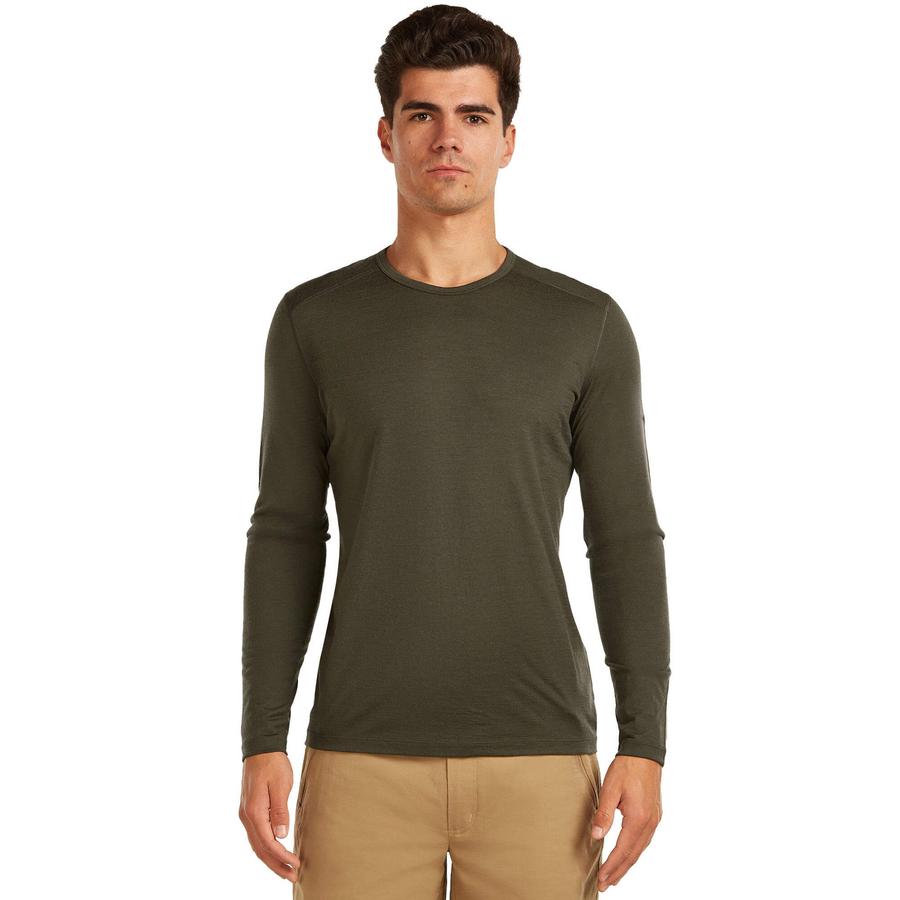


For more on choosing base layers, check out our Guide to Layering for Skiing & Snowboarding
2. Mid Layers: Pack Light, Stay Versatile
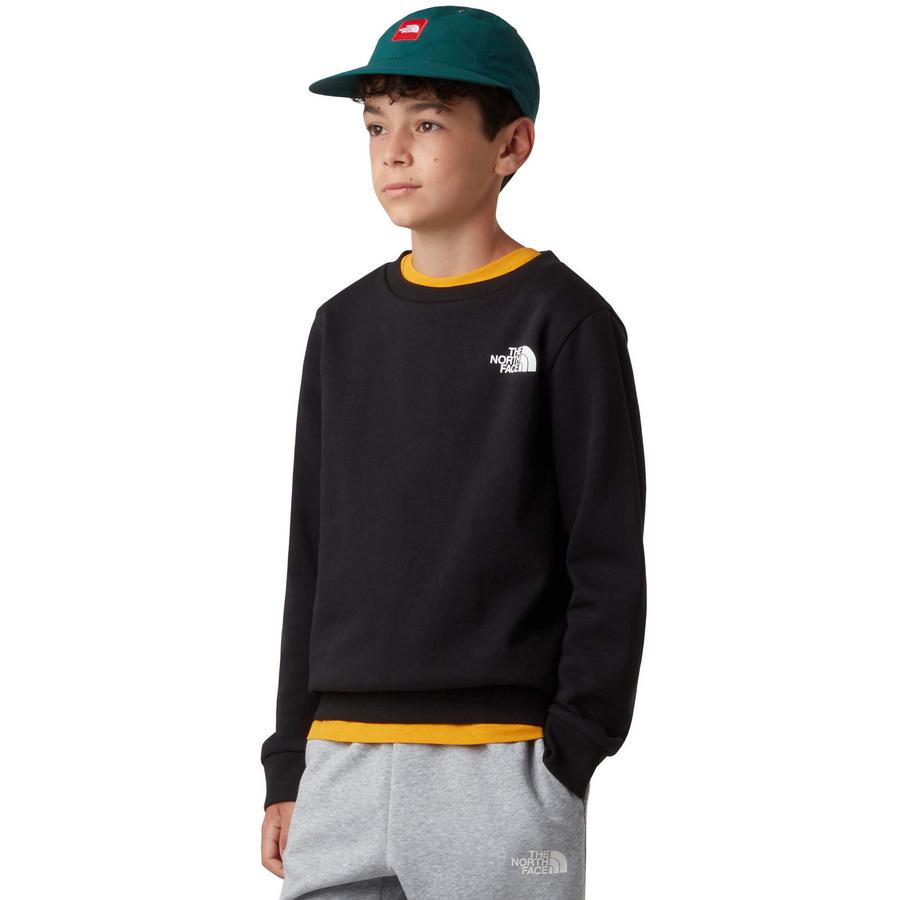
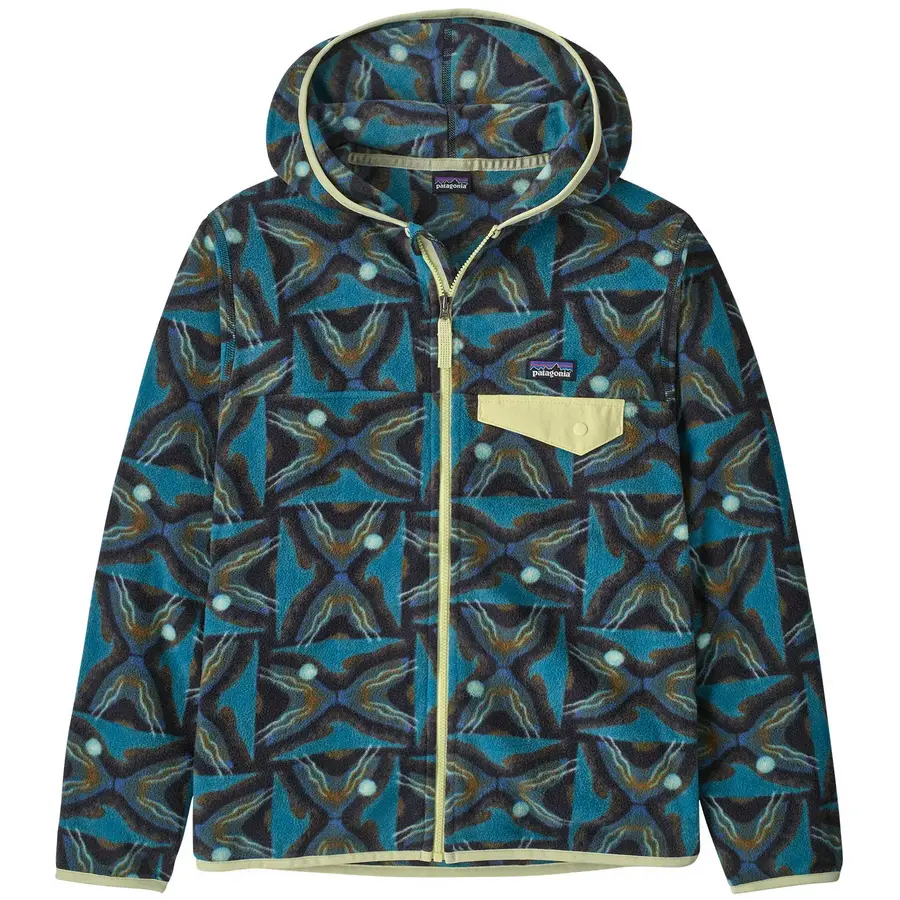
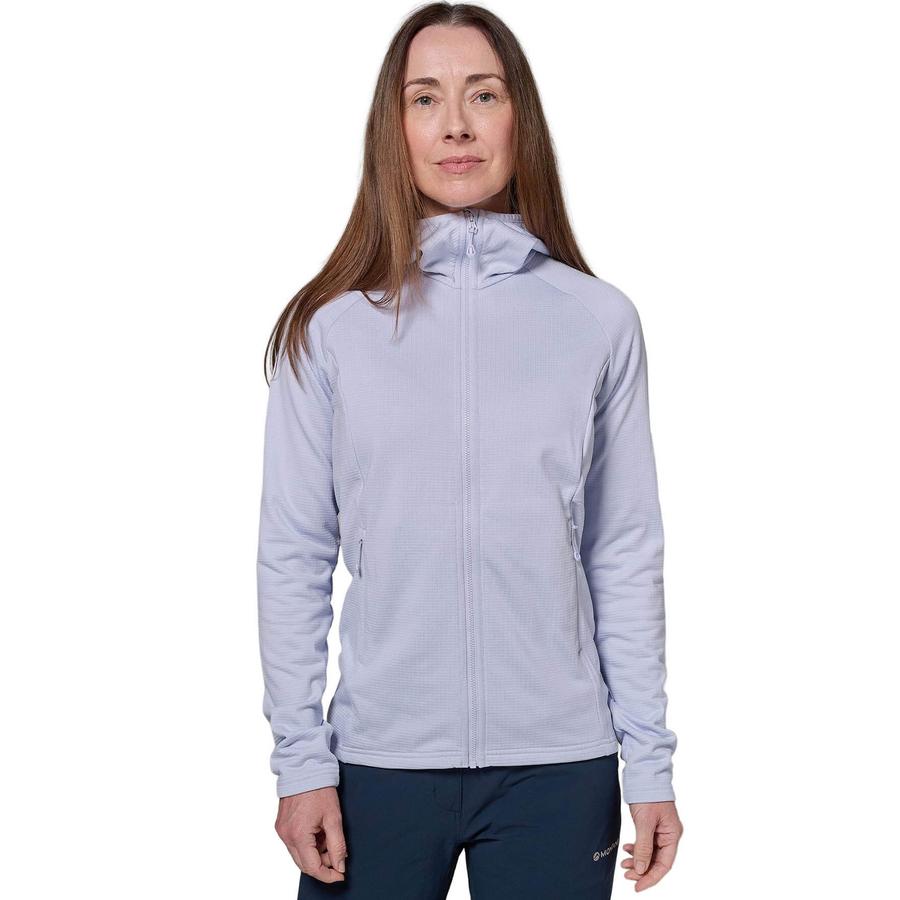
A mid layer might not always be necessary, but it’s good to have on cooler mornings or shady slopes. Choose a light Ski or Snowboard Fleece or softshell jacket—something you can stash in your backpack when it warms up. A thin, breathable insulated Ski or Snowboard Gilet
can also be a great choice for maintaining core warmth without overheating.
Riders often use them as outer layers on warmer days when you don't necessarily need highly waterproof gear.
Mid layers are also usually more lightweight, so great to stash in your bag in case the weather changes suddenly too - you may not use it, but you will be thankful for it when you do!

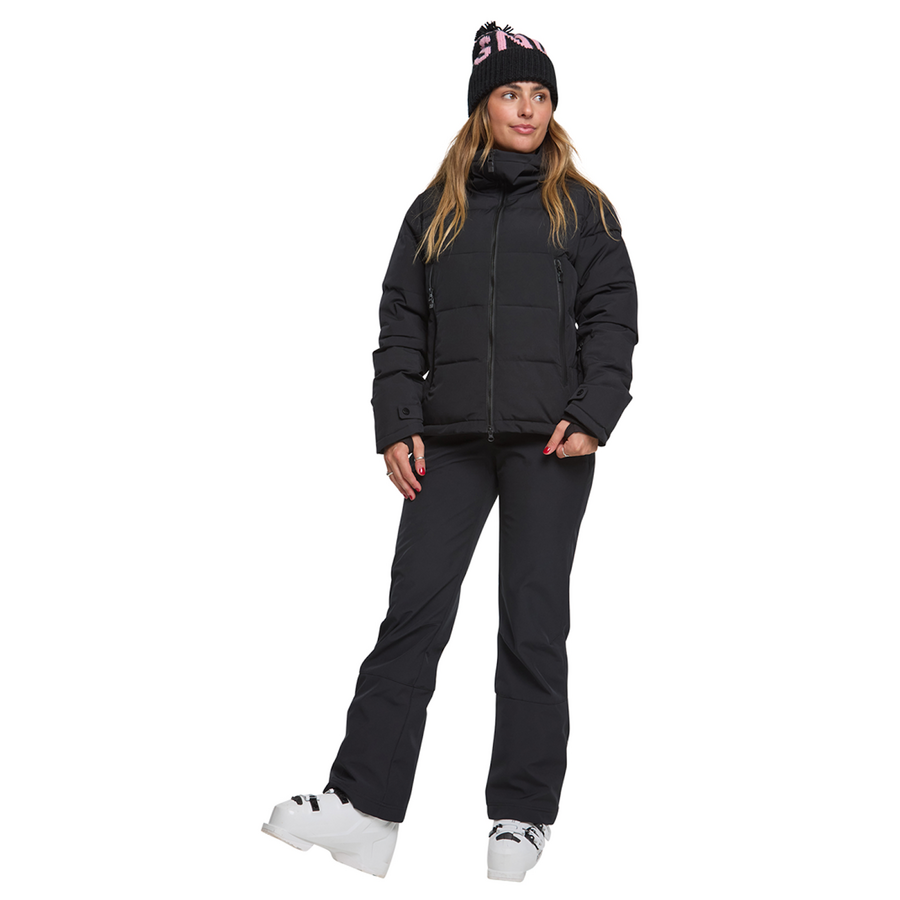
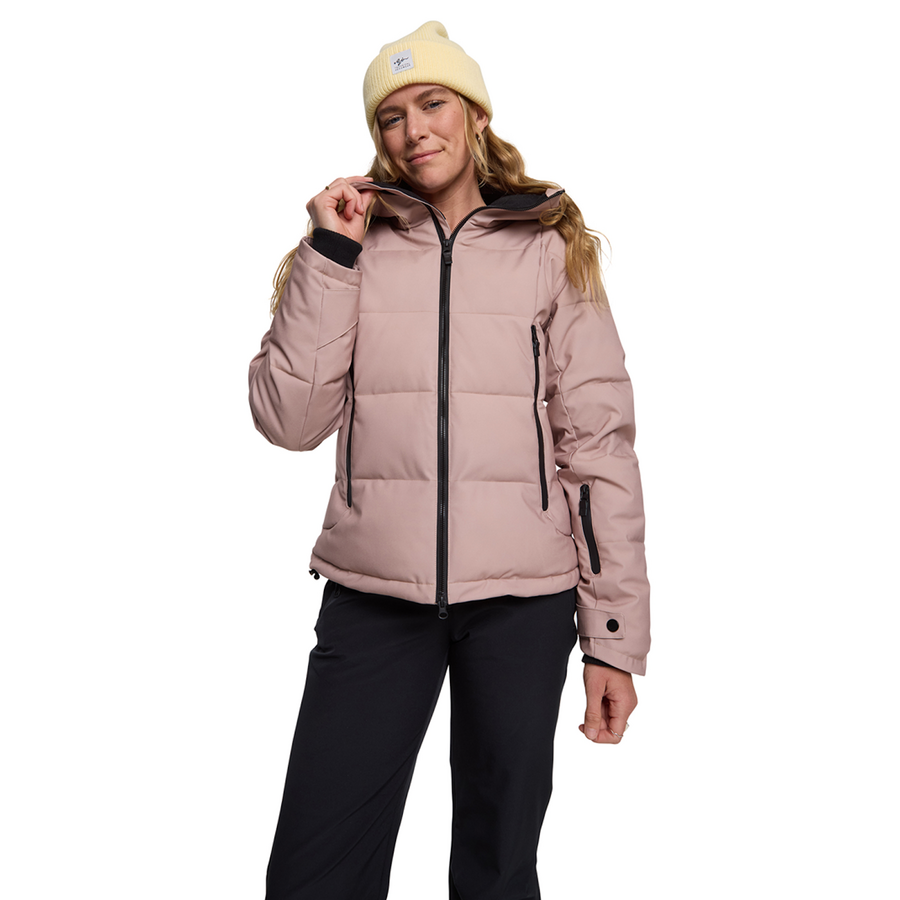


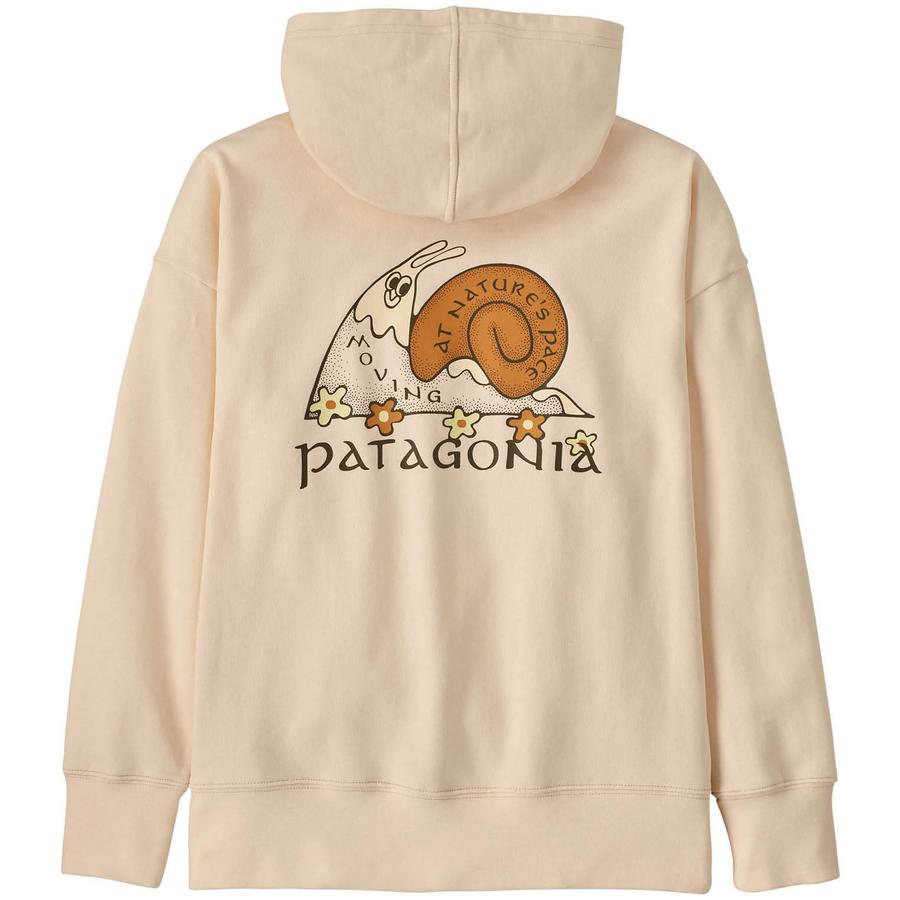


For more on choosing mid layers, check out our Guide to Layering for Skiing & Snowboarding
3. Outerwear: Waterproof, Windproof & Breathable
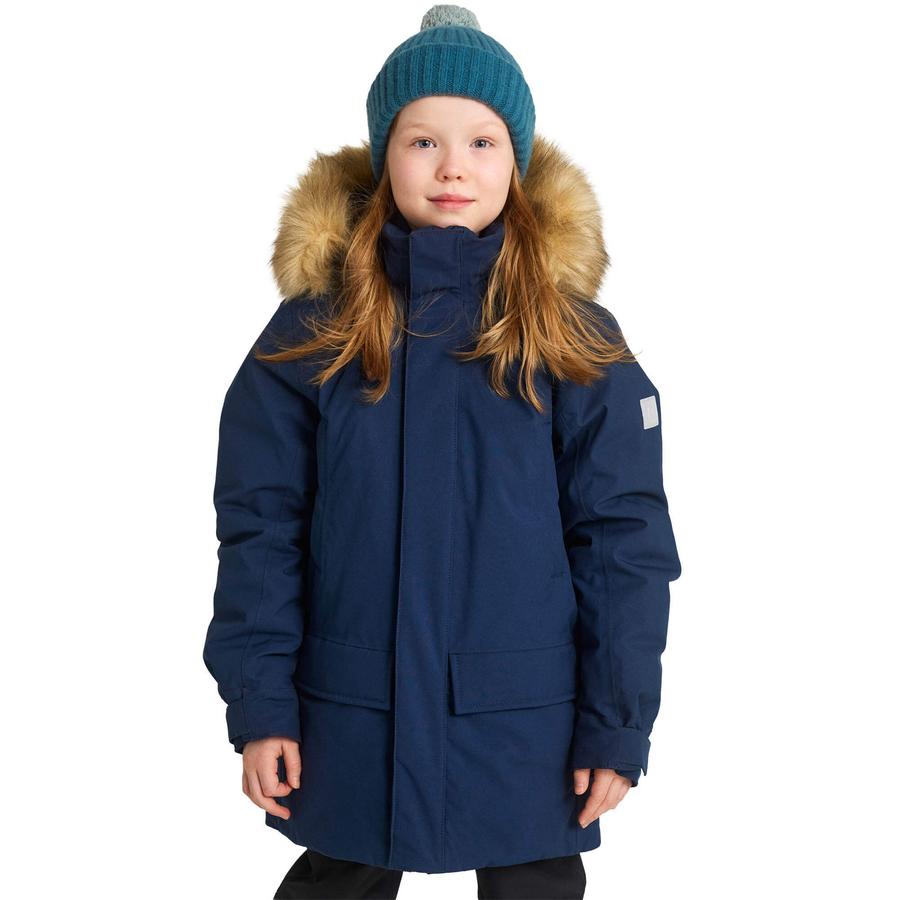
Spring snow is often wetter and heavier, meaning waterproofing is more important than insulation.
A lightweight, waterproof shell jacket is ideal for keeping you dry without unnecessary bulk. Look for pit zips or ventilation to help regulate temperature. A softshell jacket is another great option for spring, offering breathability and flexibility while still providing some water resistance.
For pants, go for waterproof, breathable shell pants rather than insulated ones, as you’ll likely generate more heat. Softshell ski pants are also a great choice, offering stretch and comfort while still repelling light moisture. Look for pants with ventilation zippers to help cool down when the temperatures rise.
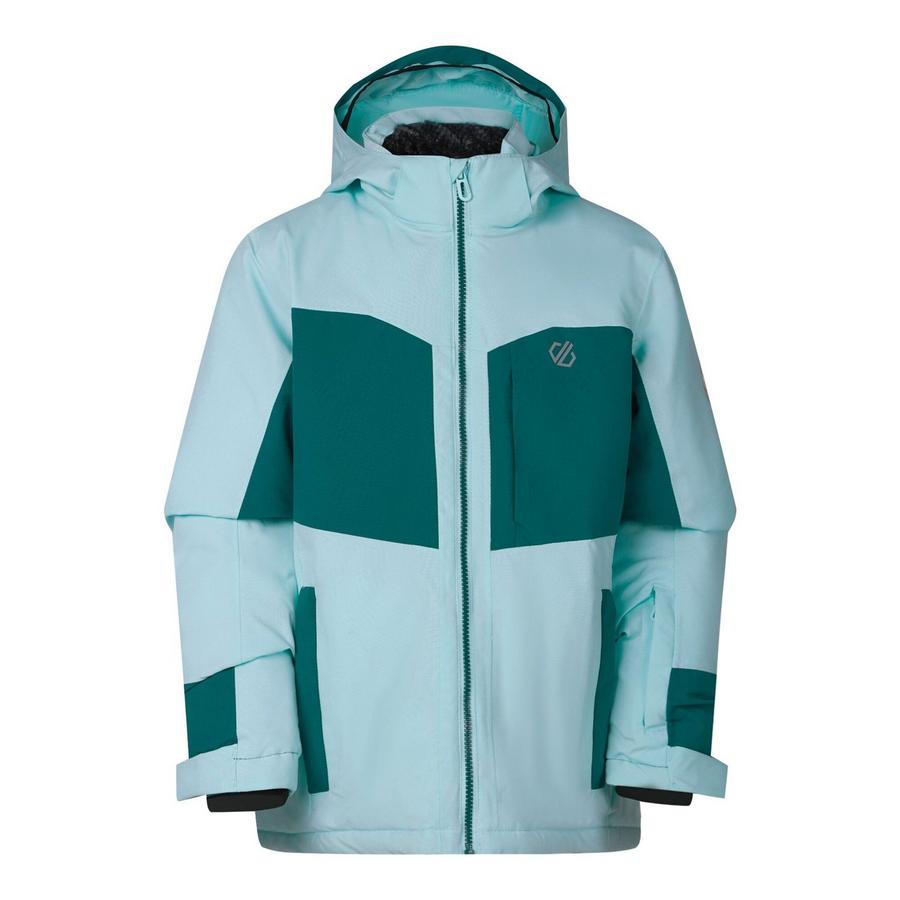
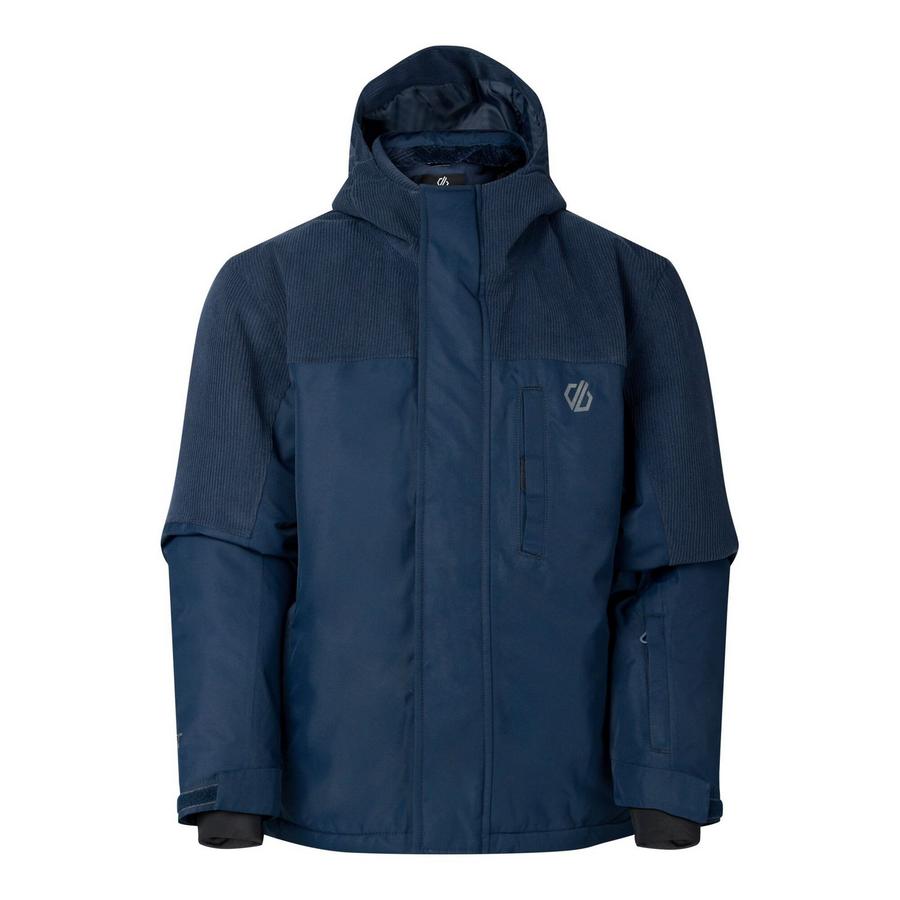
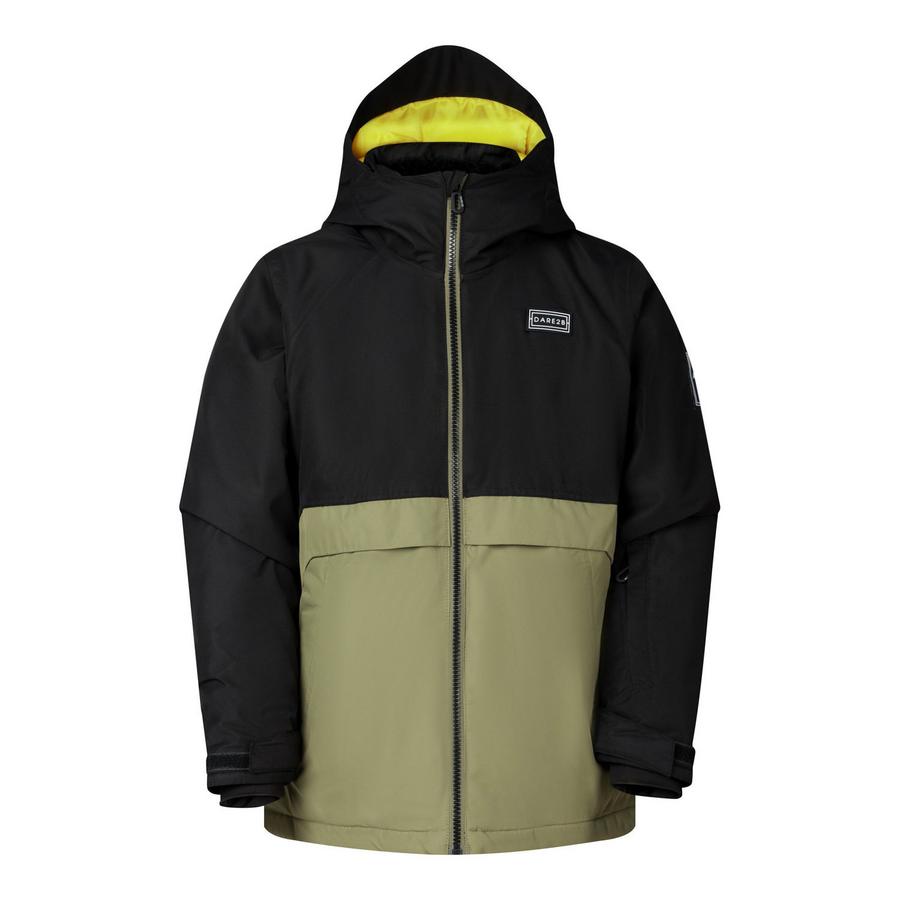
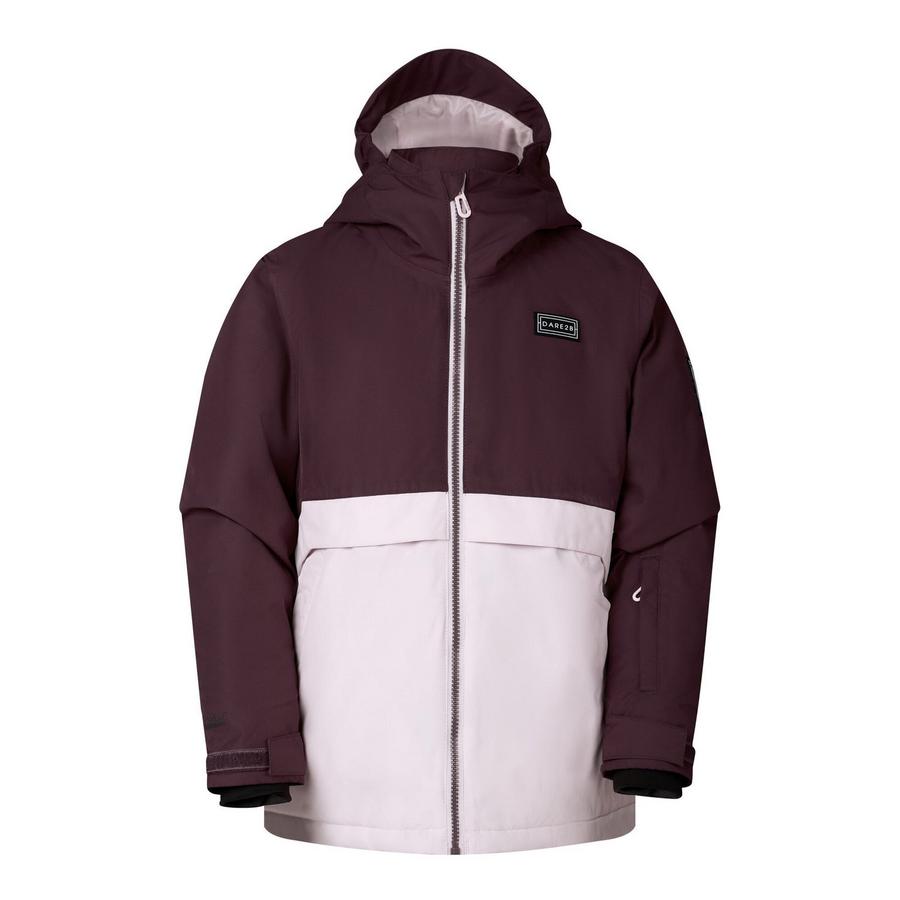
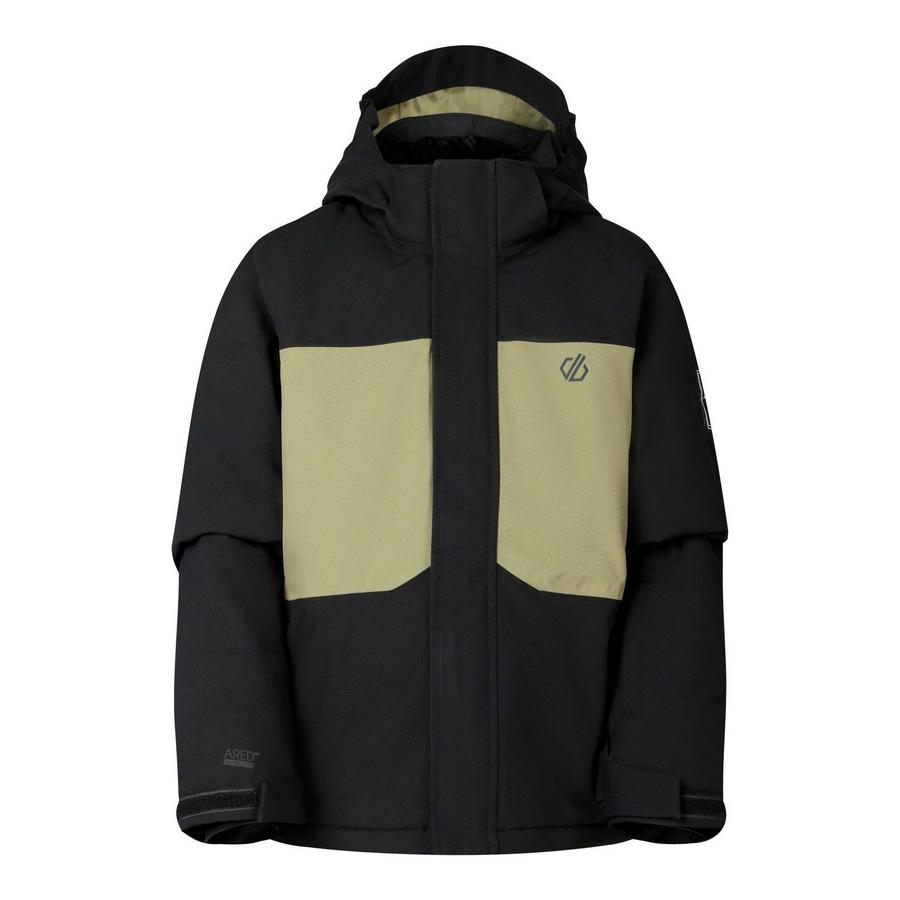
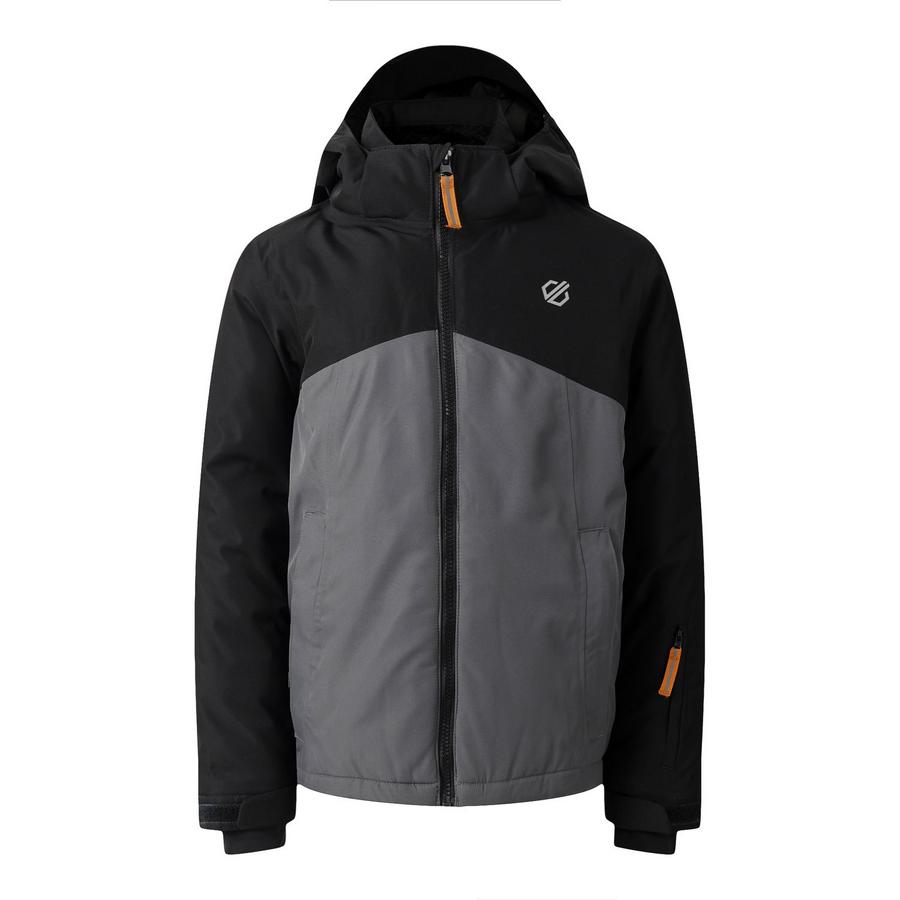
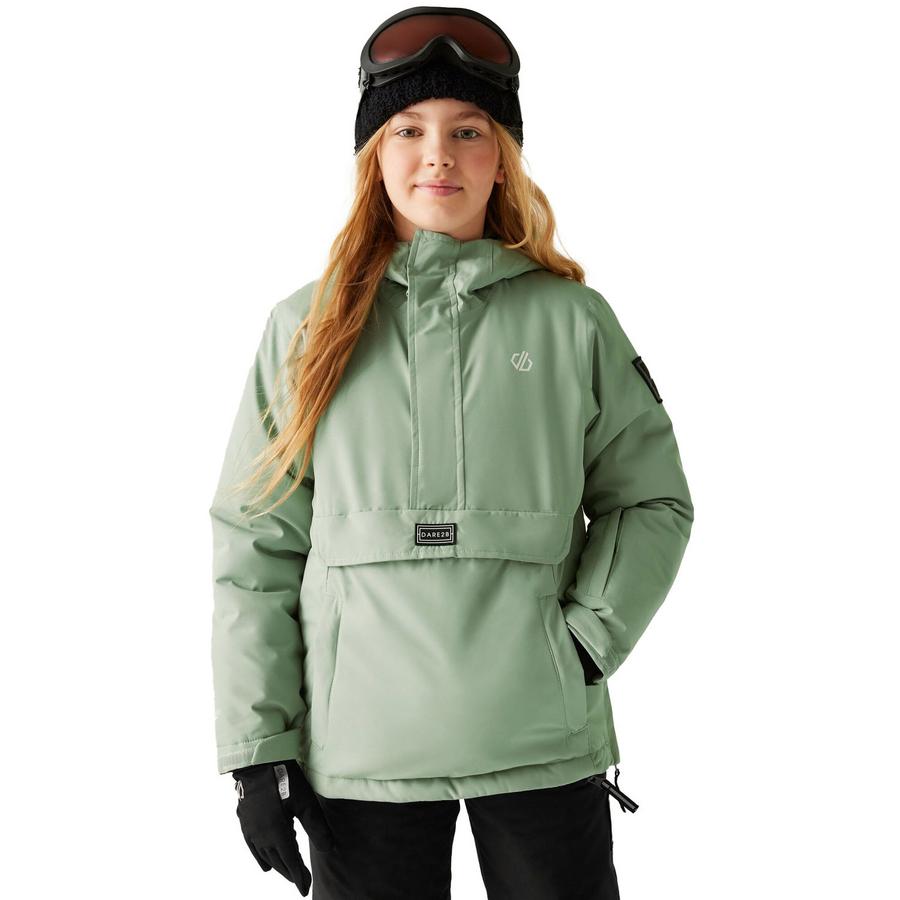
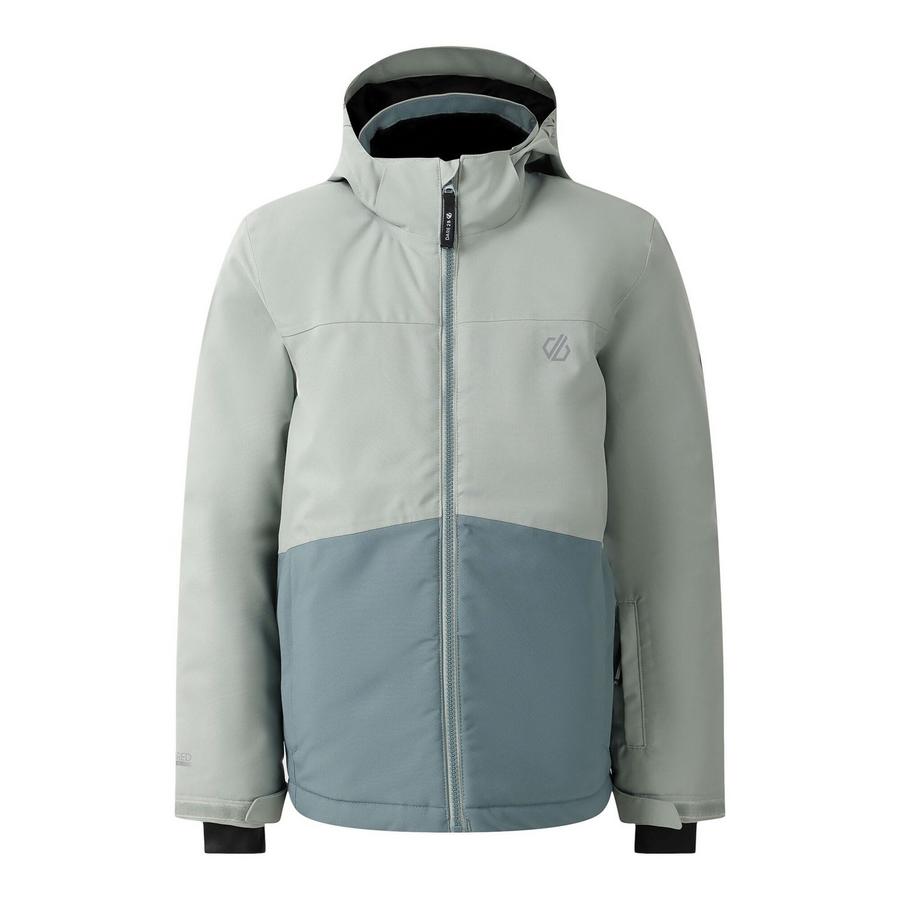
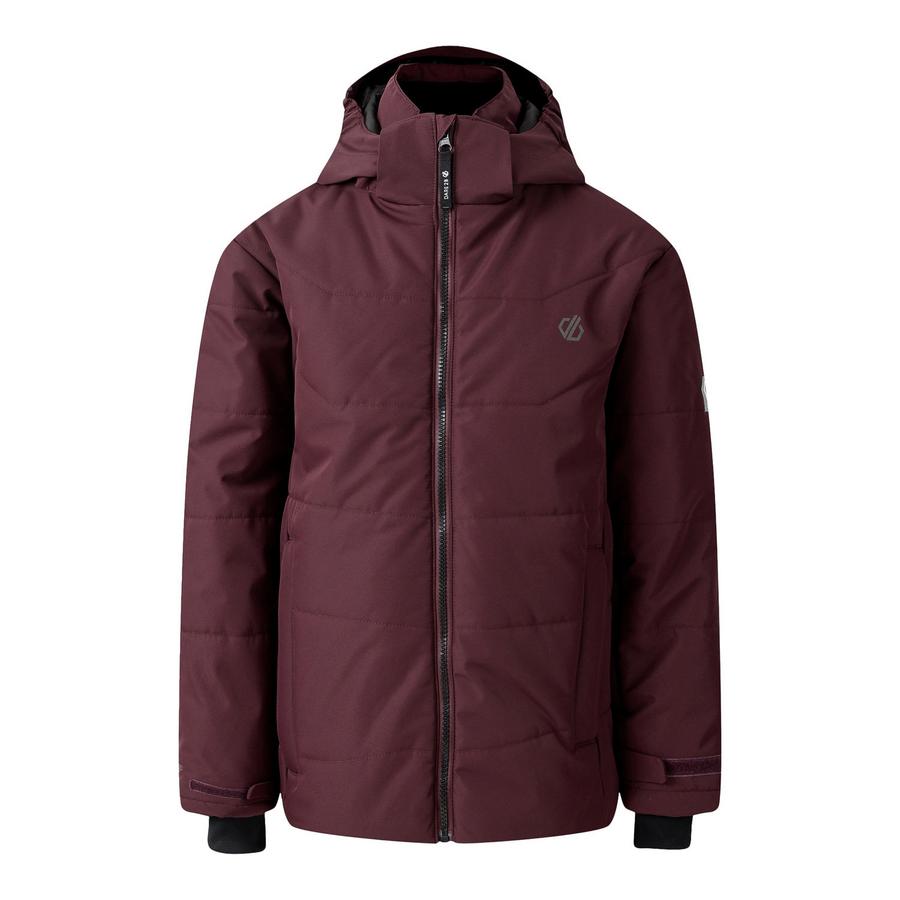
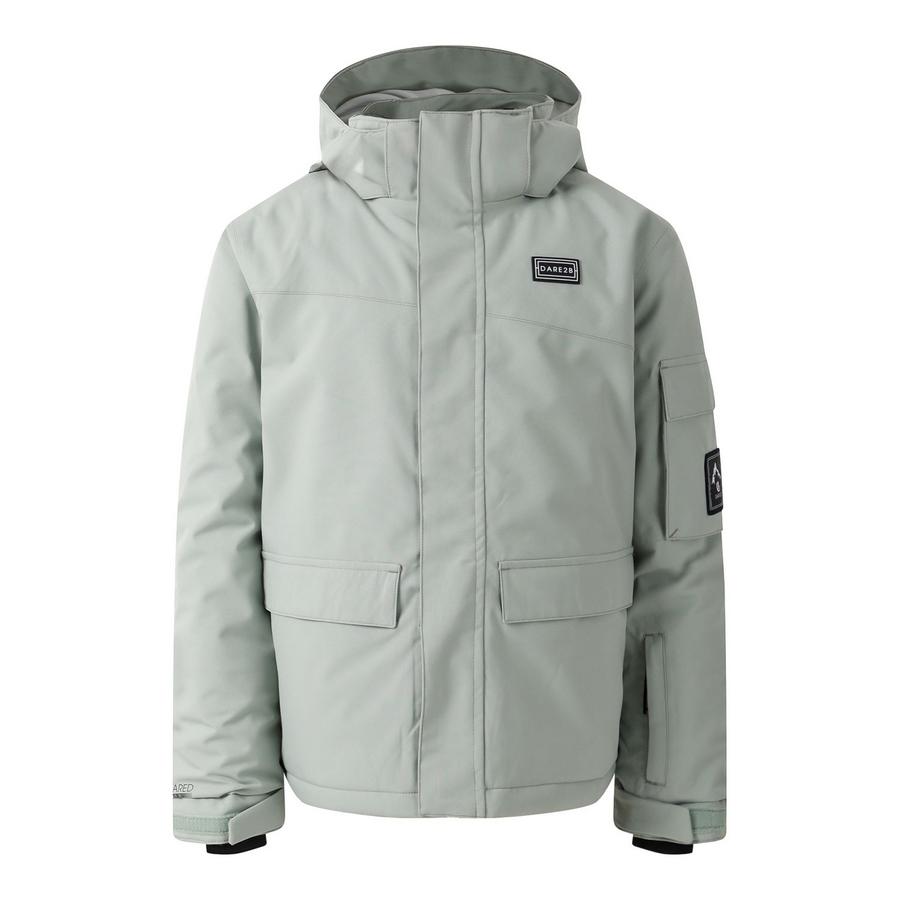
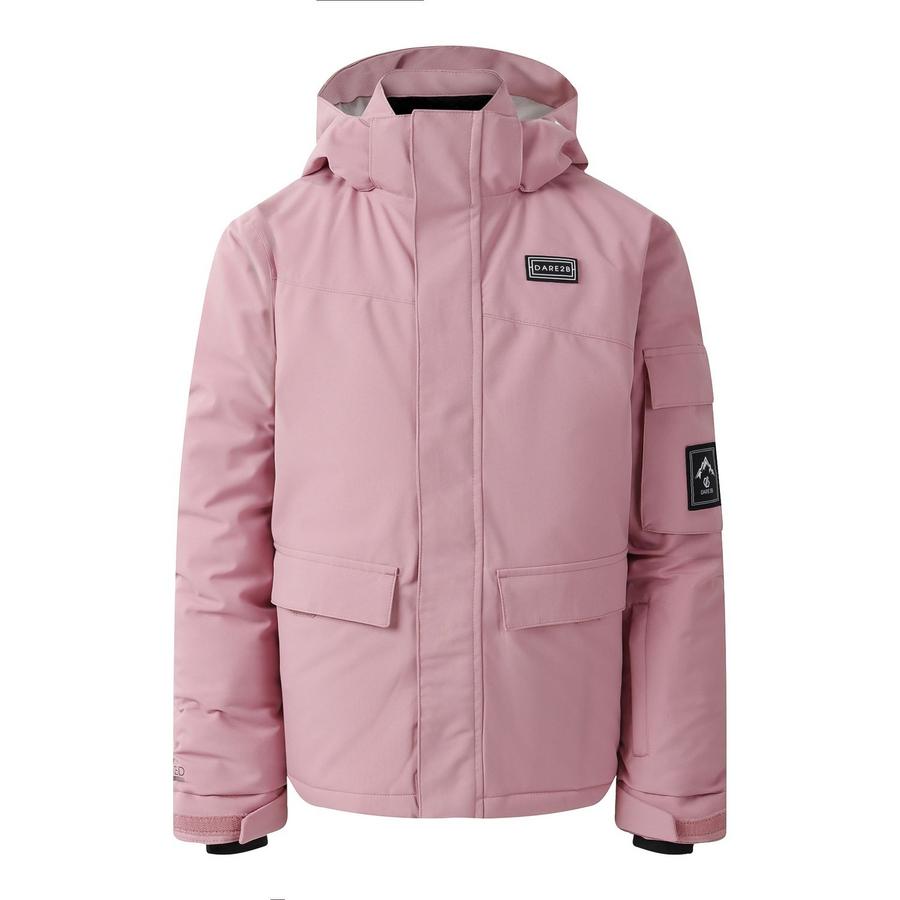
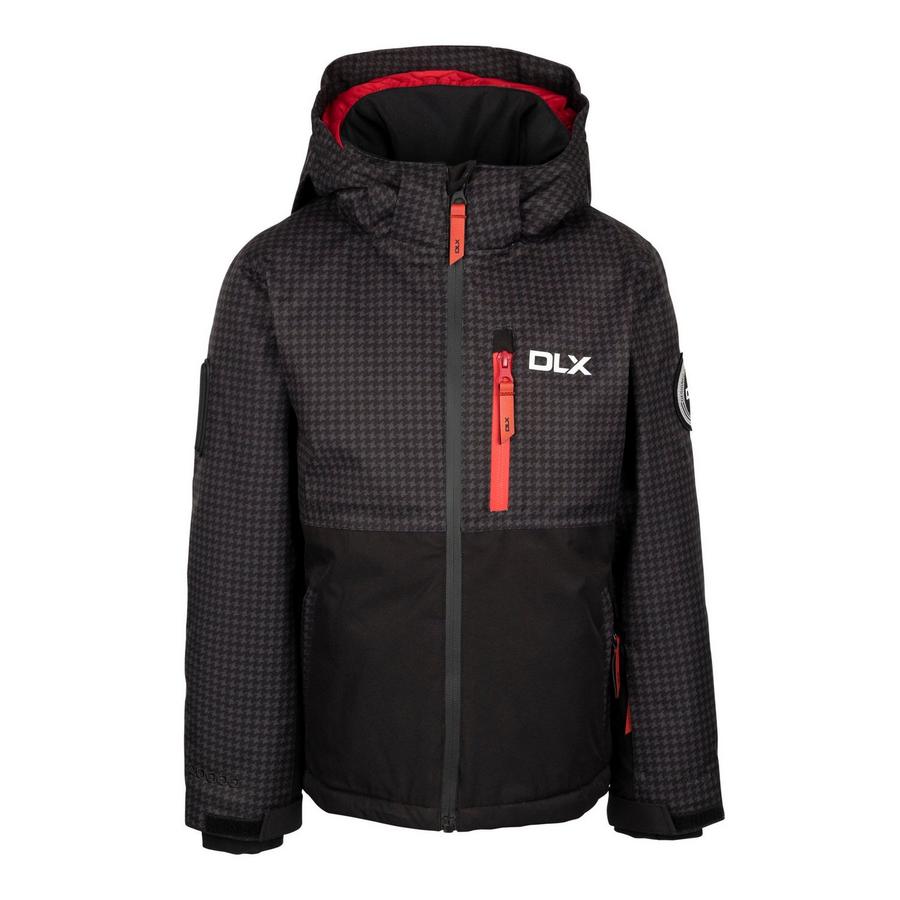
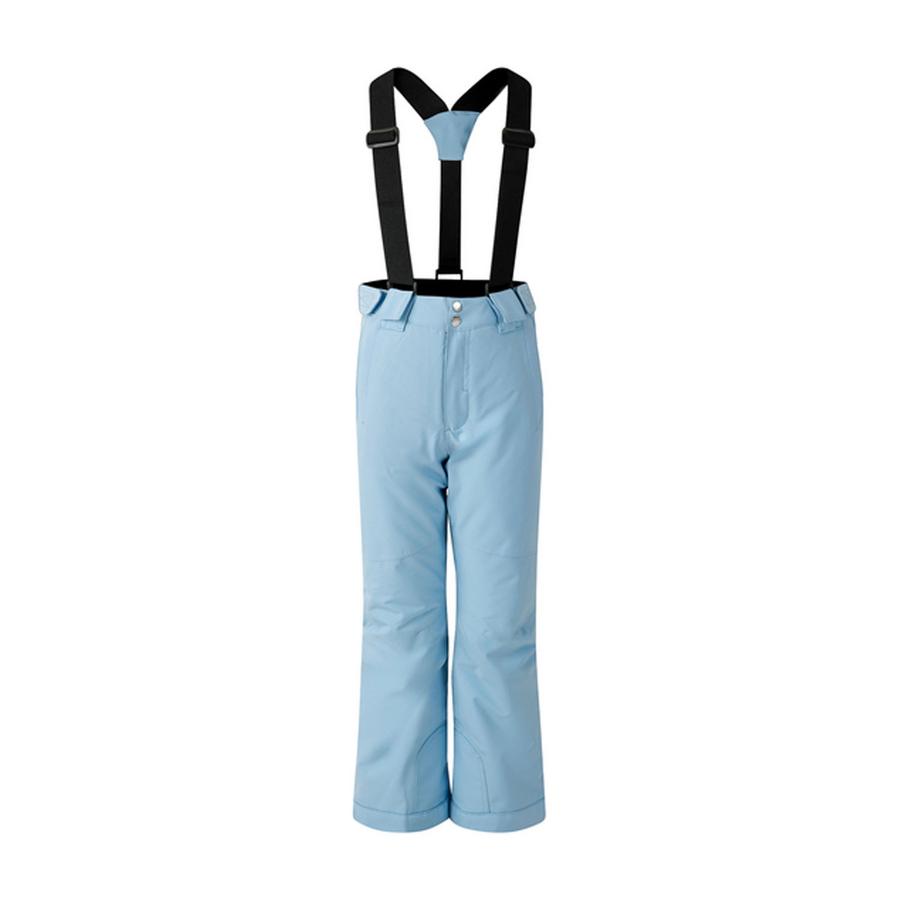
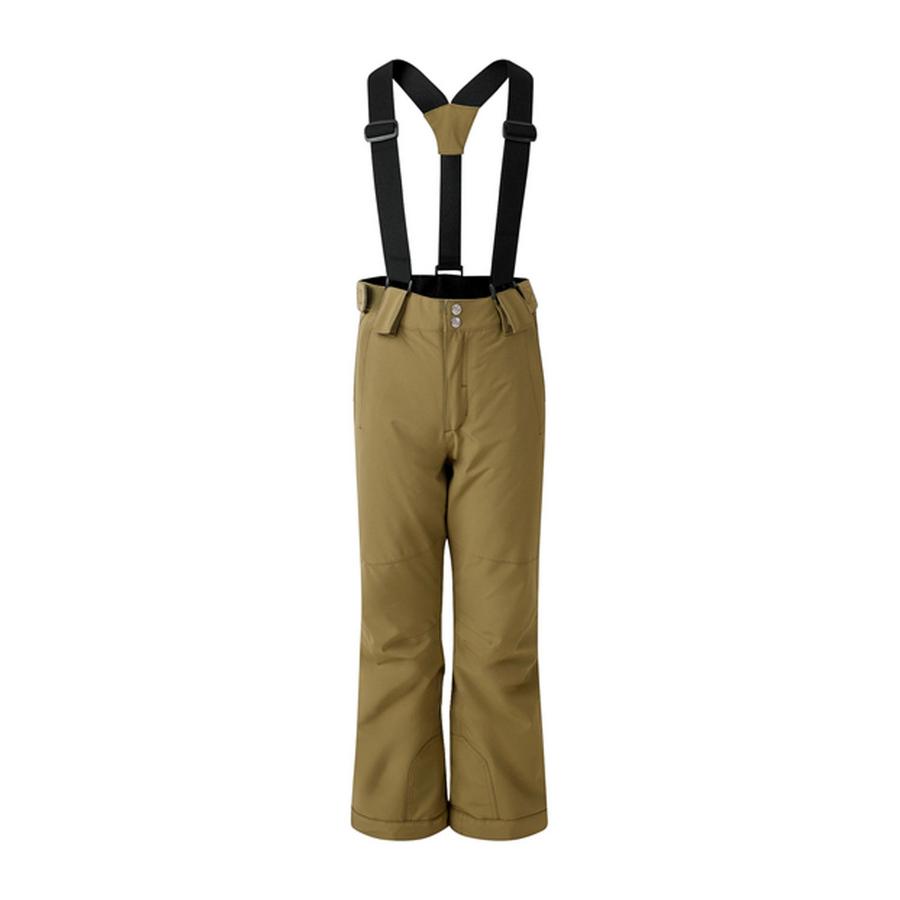
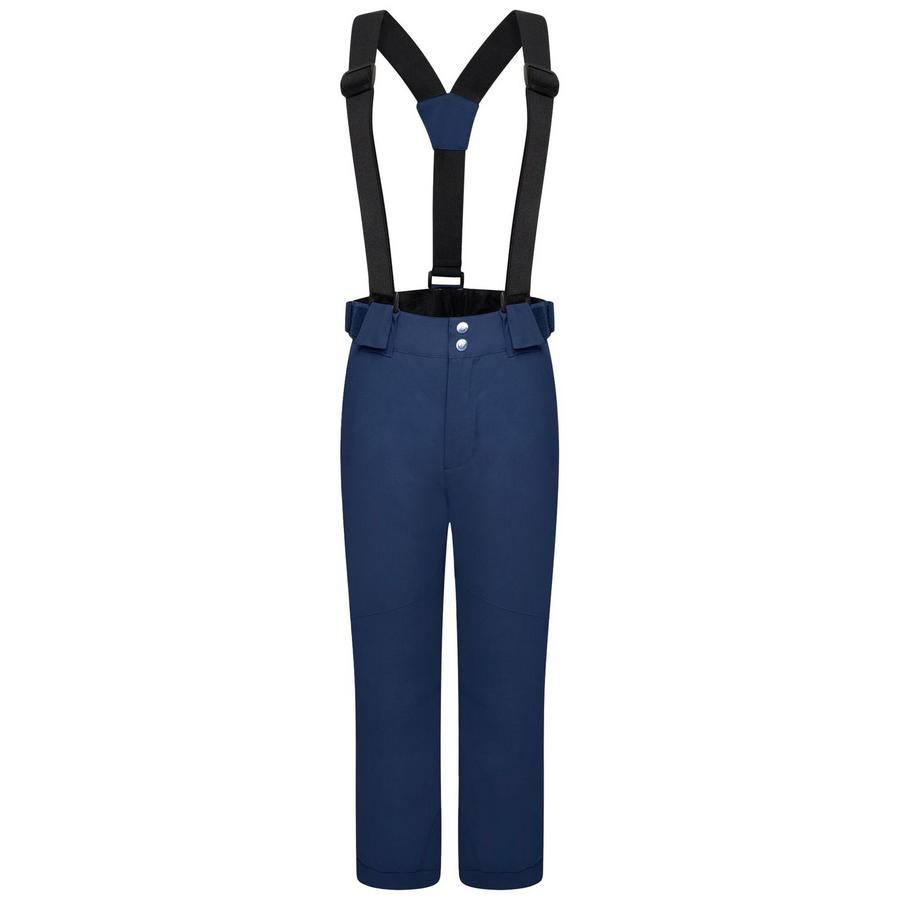
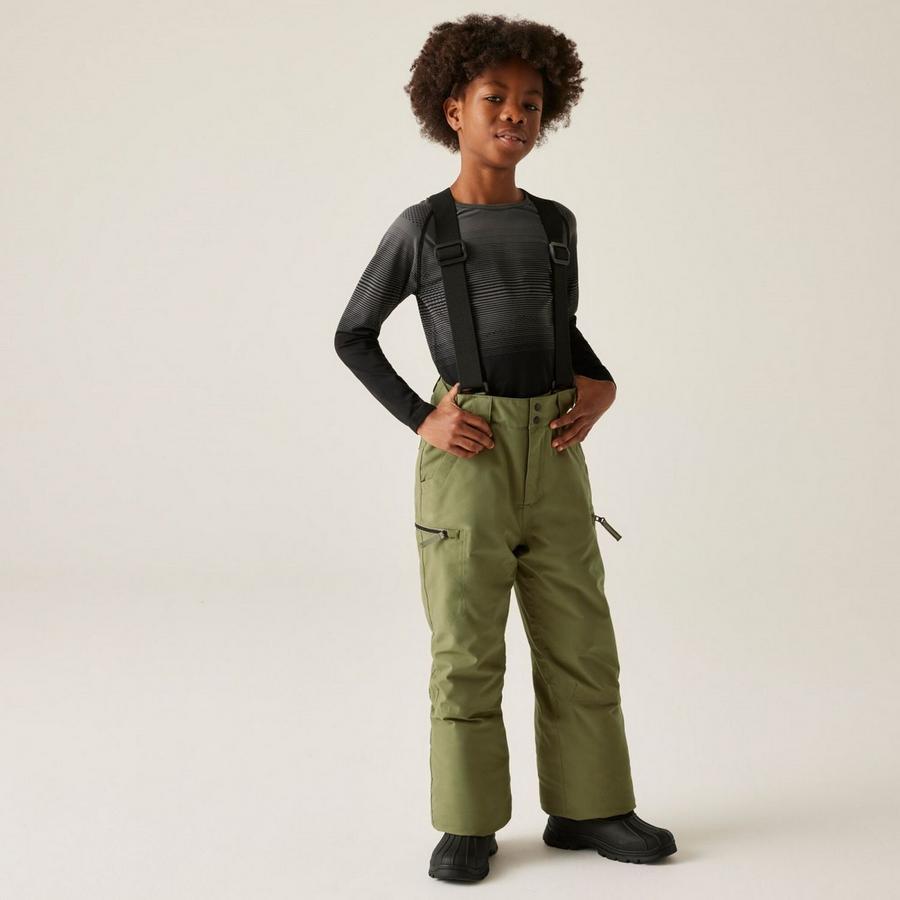
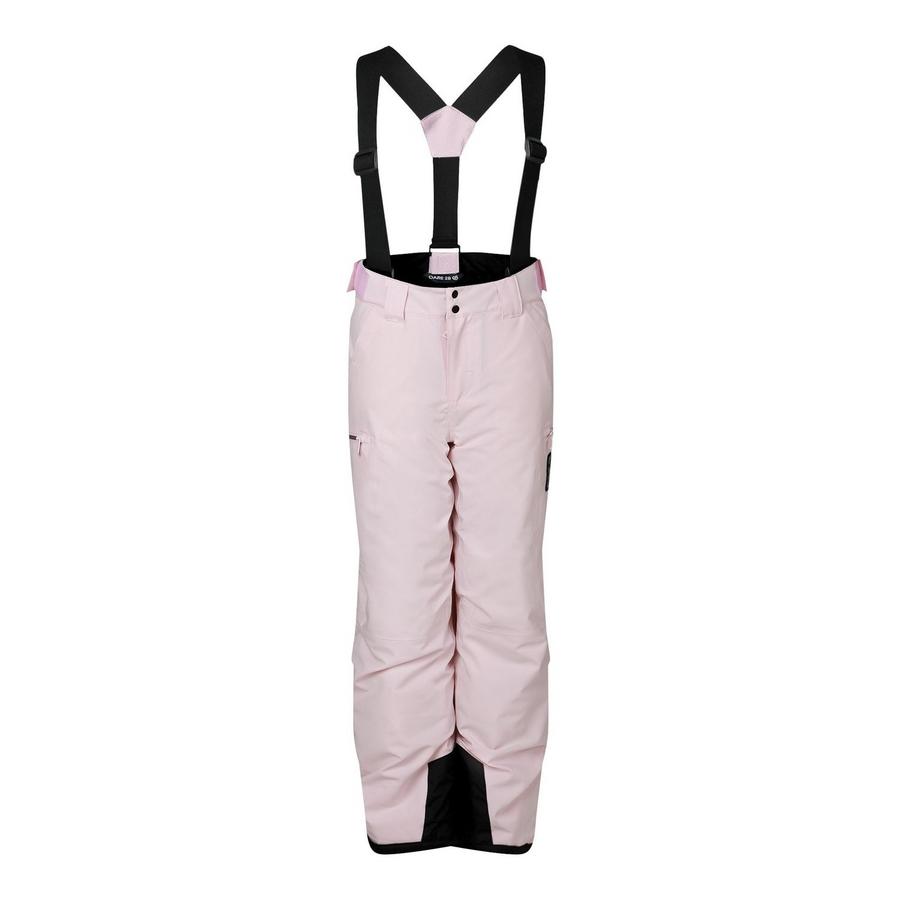
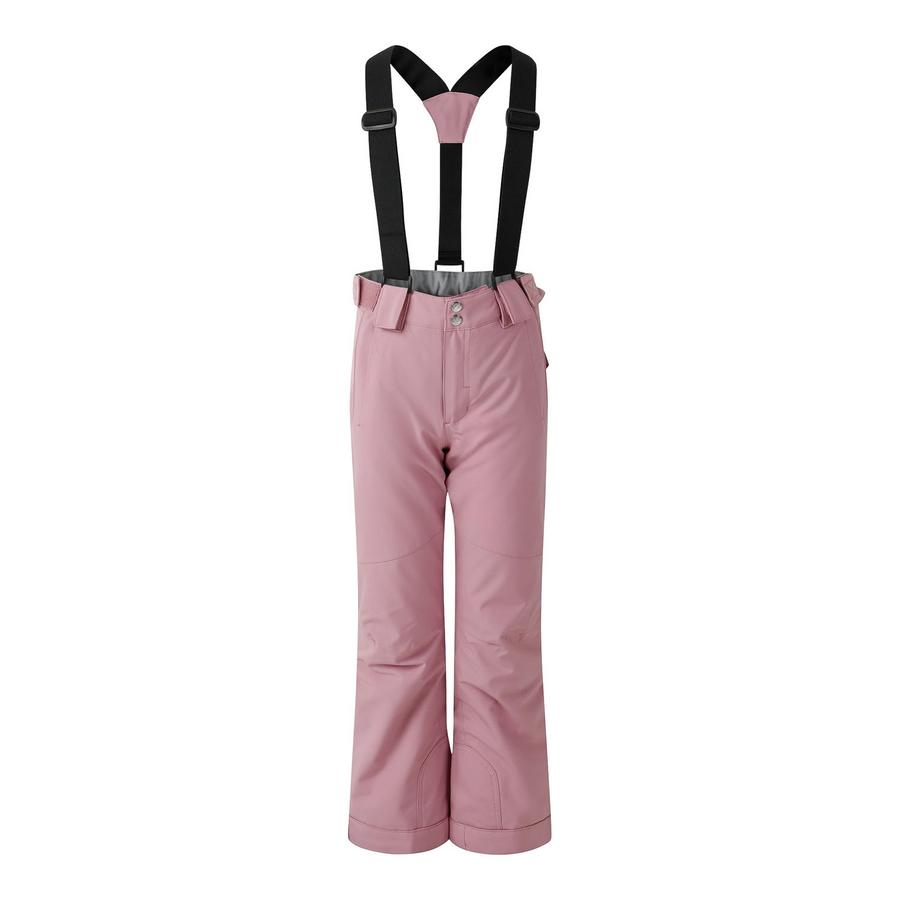
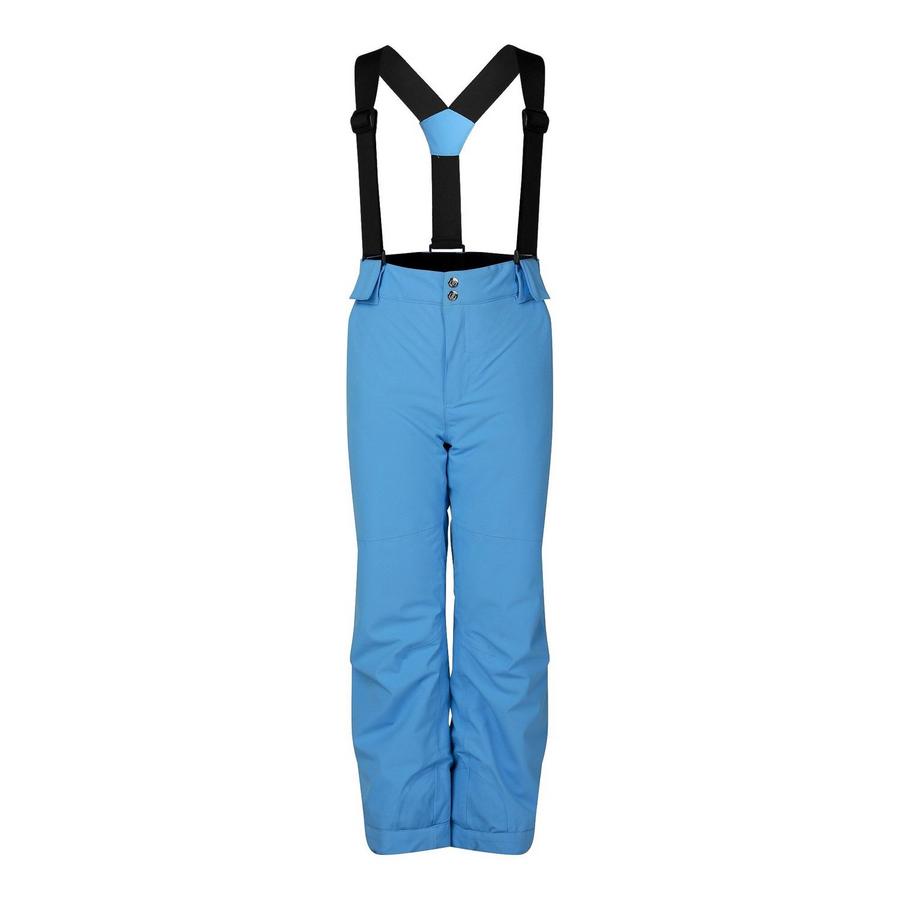
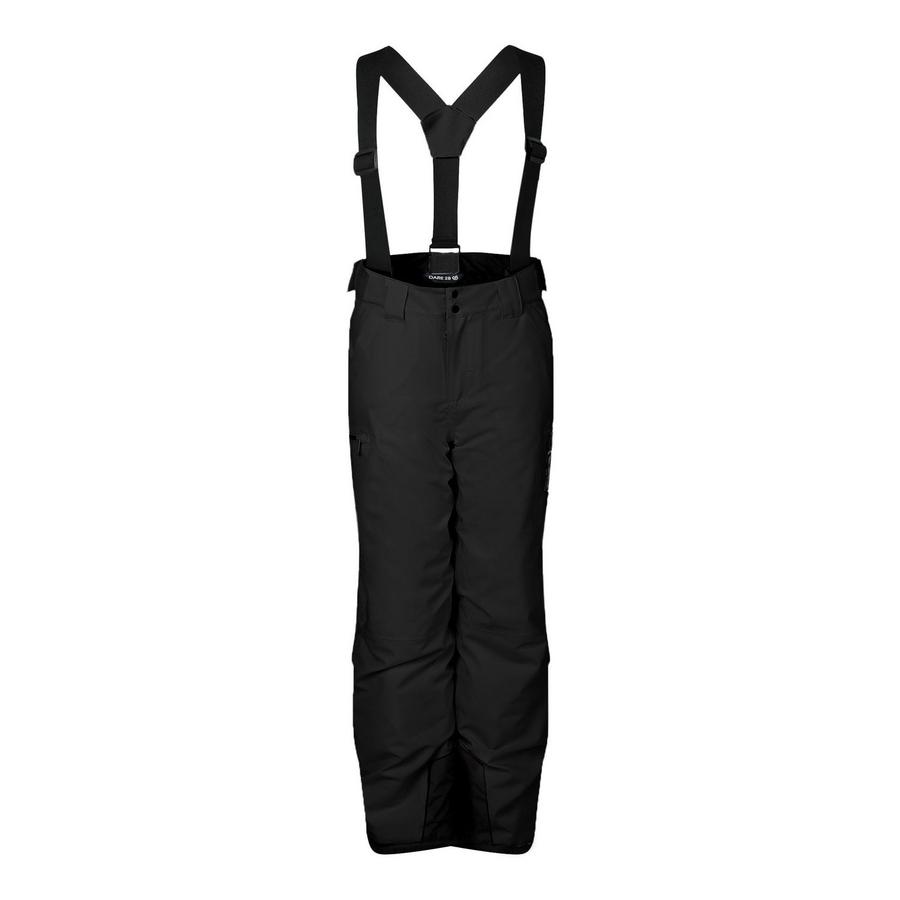
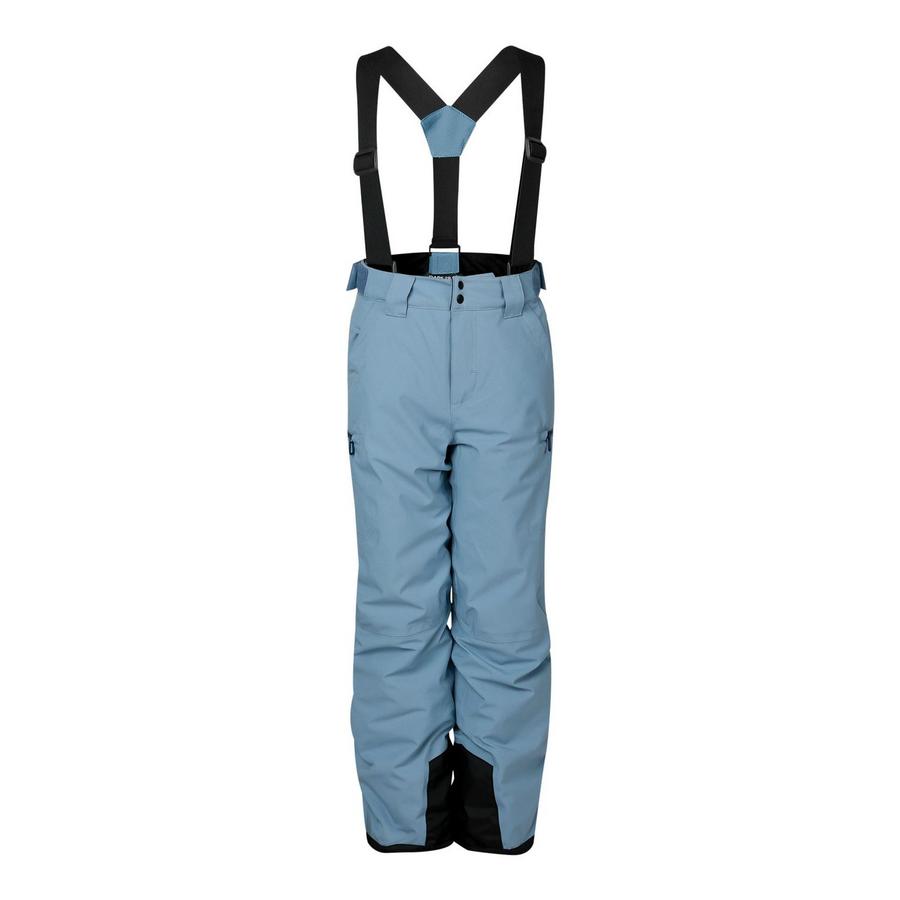
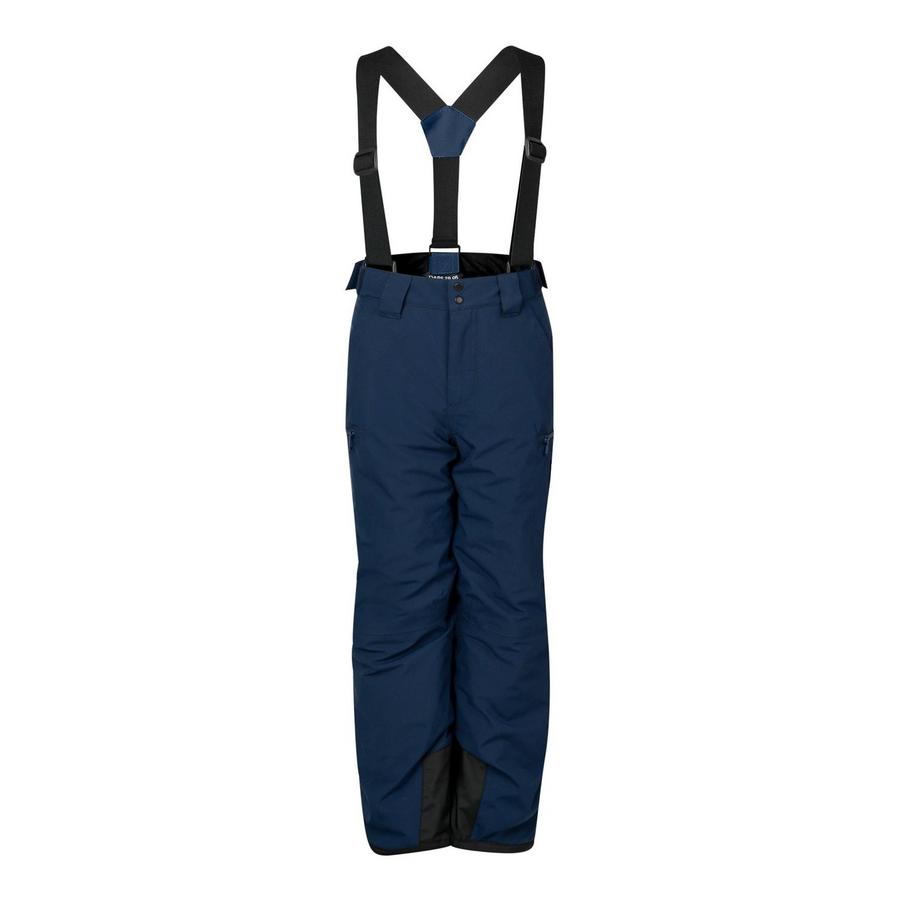
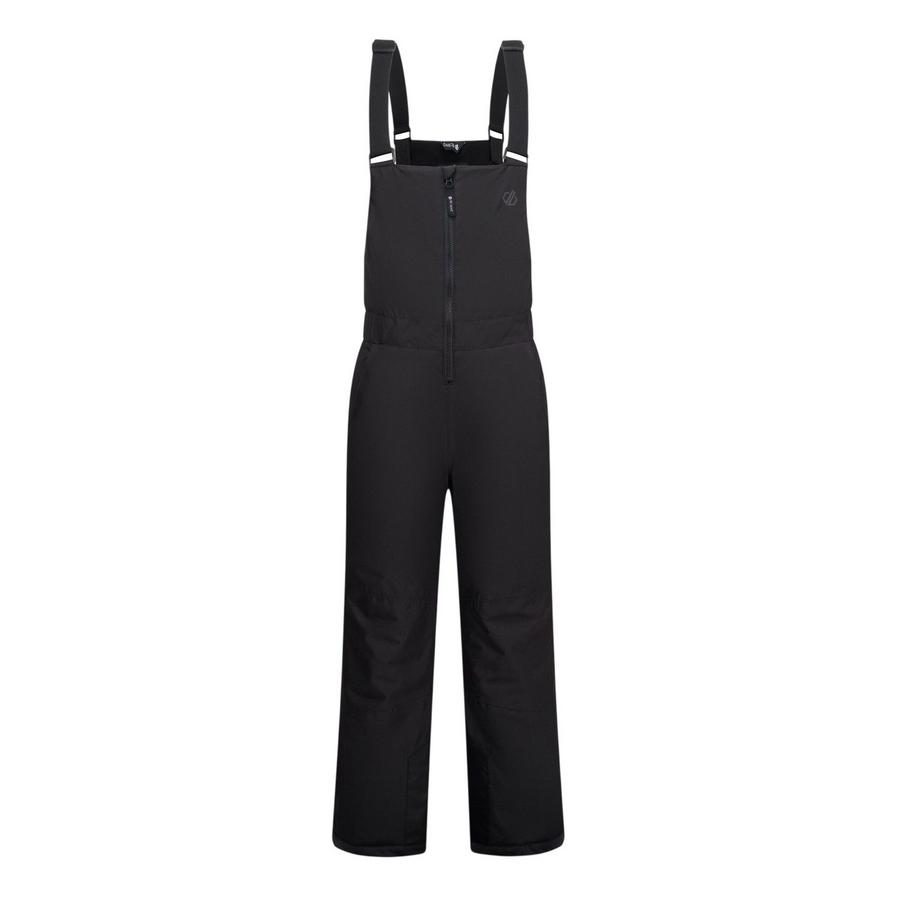
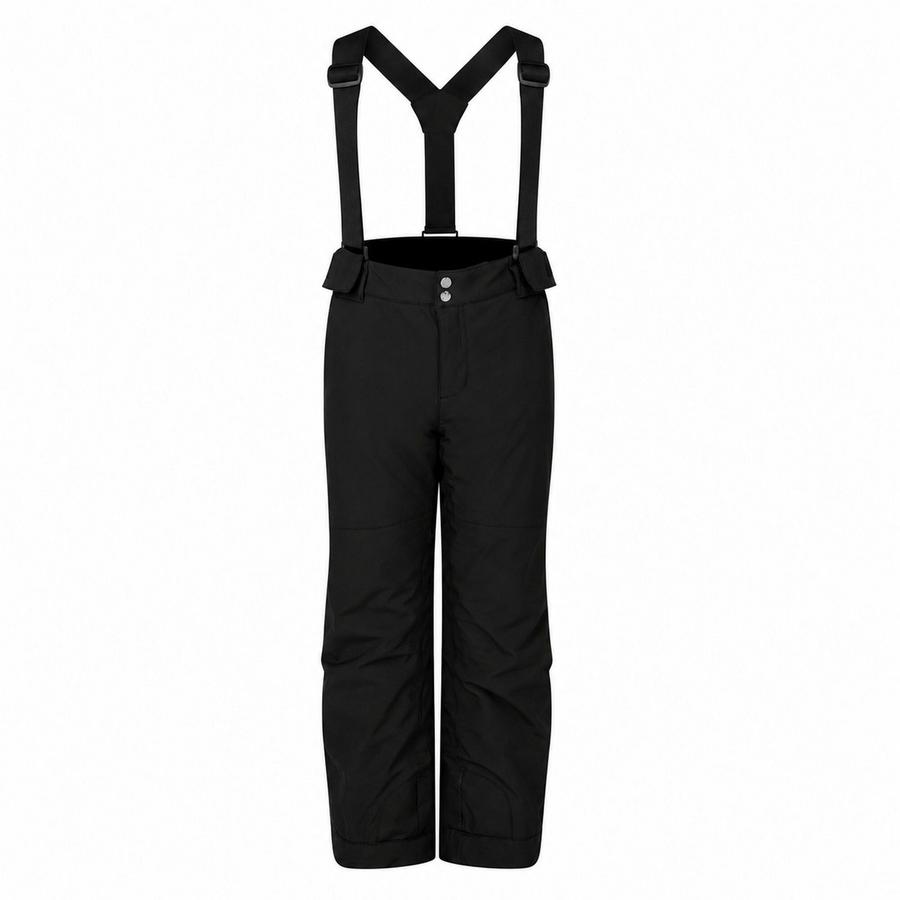
For more on choosing outer layers, check out our Guide to Layering for Skiing & Snowboarding, Guide to Buying Ski & Snowboard Jackets or our Guide to Buying Ski & Snowboard Pants.
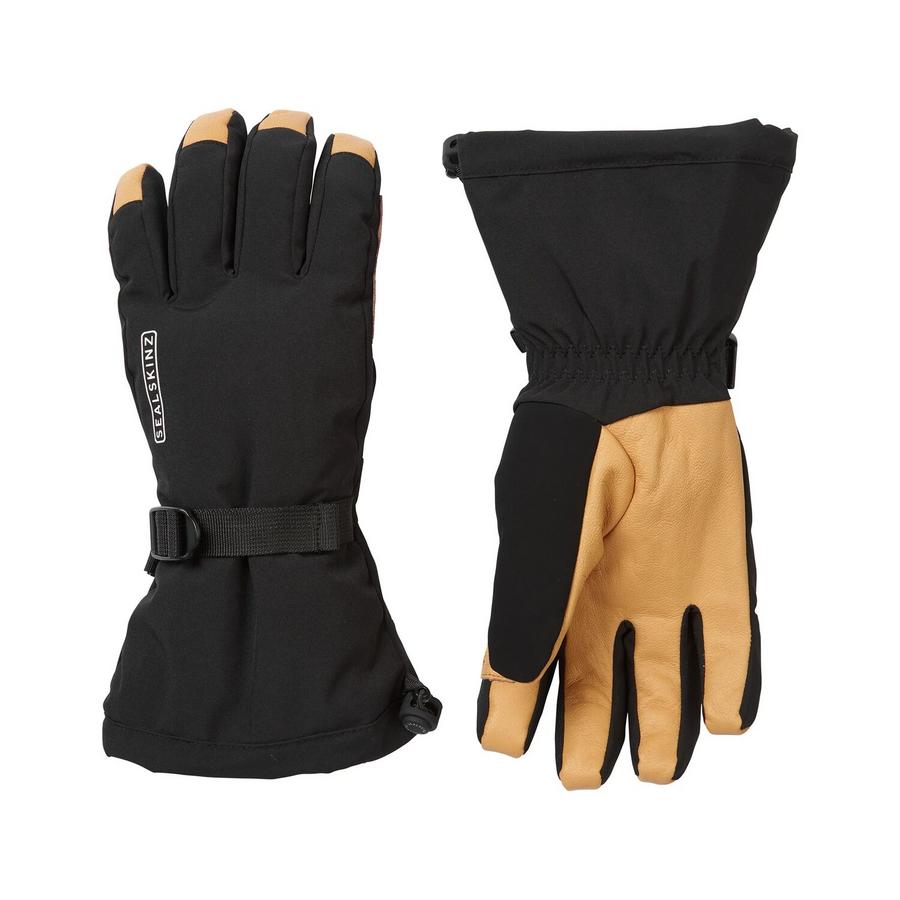
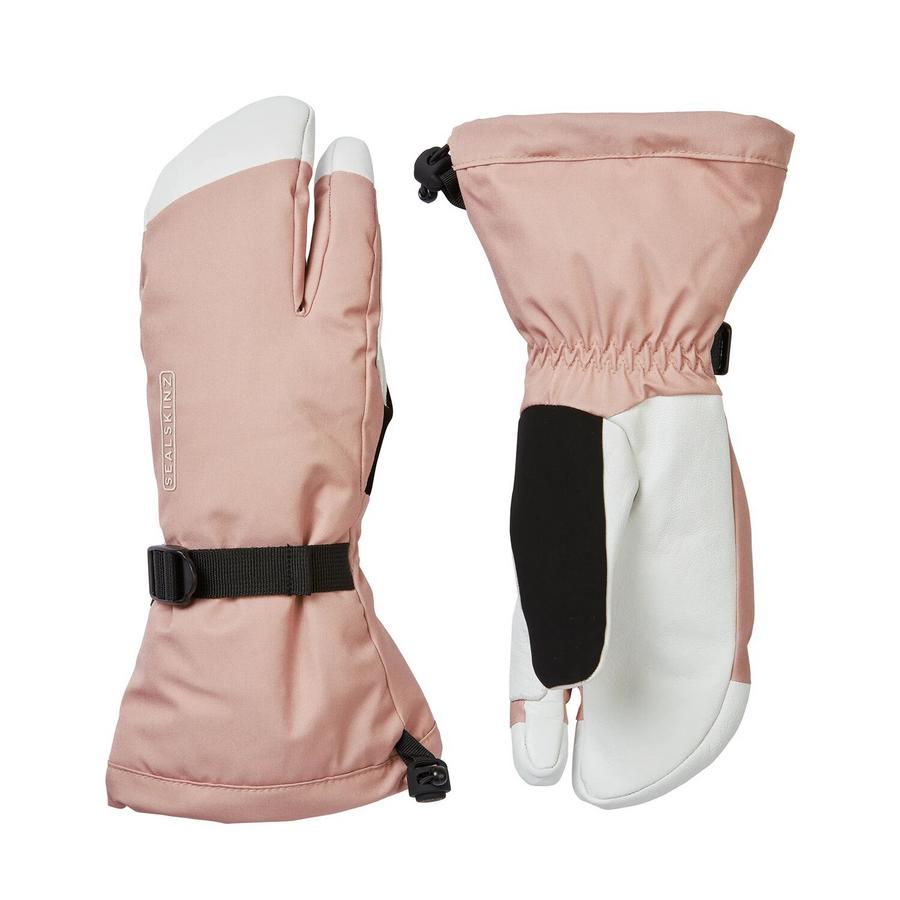
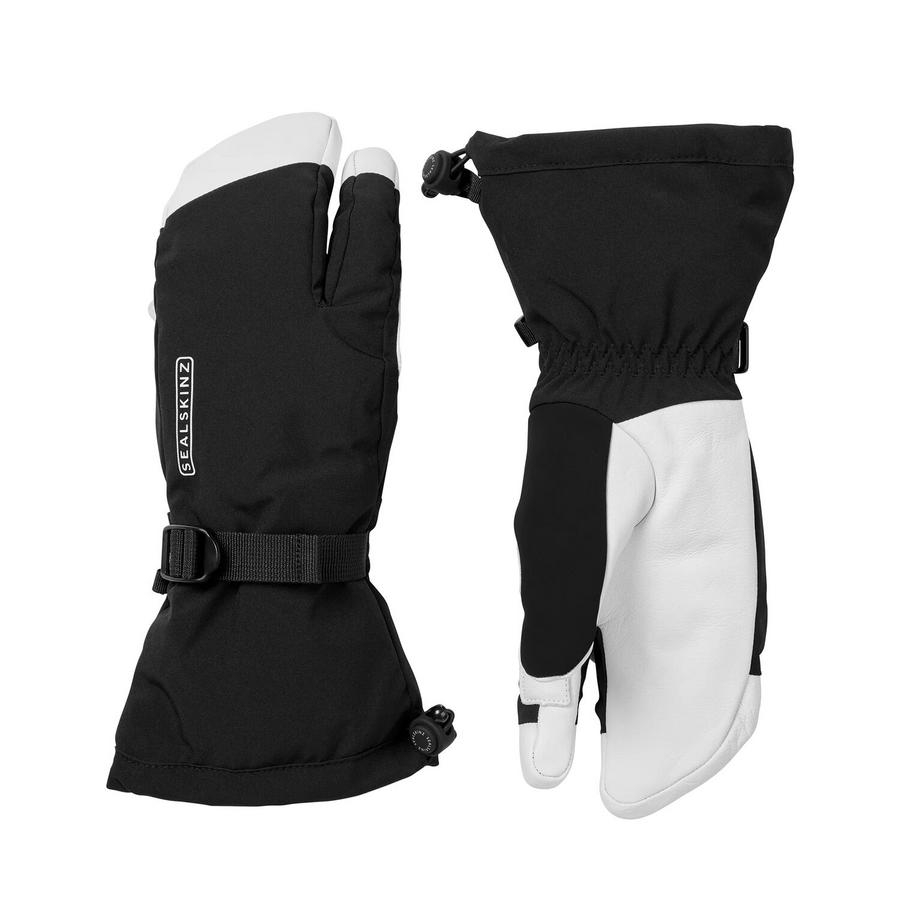
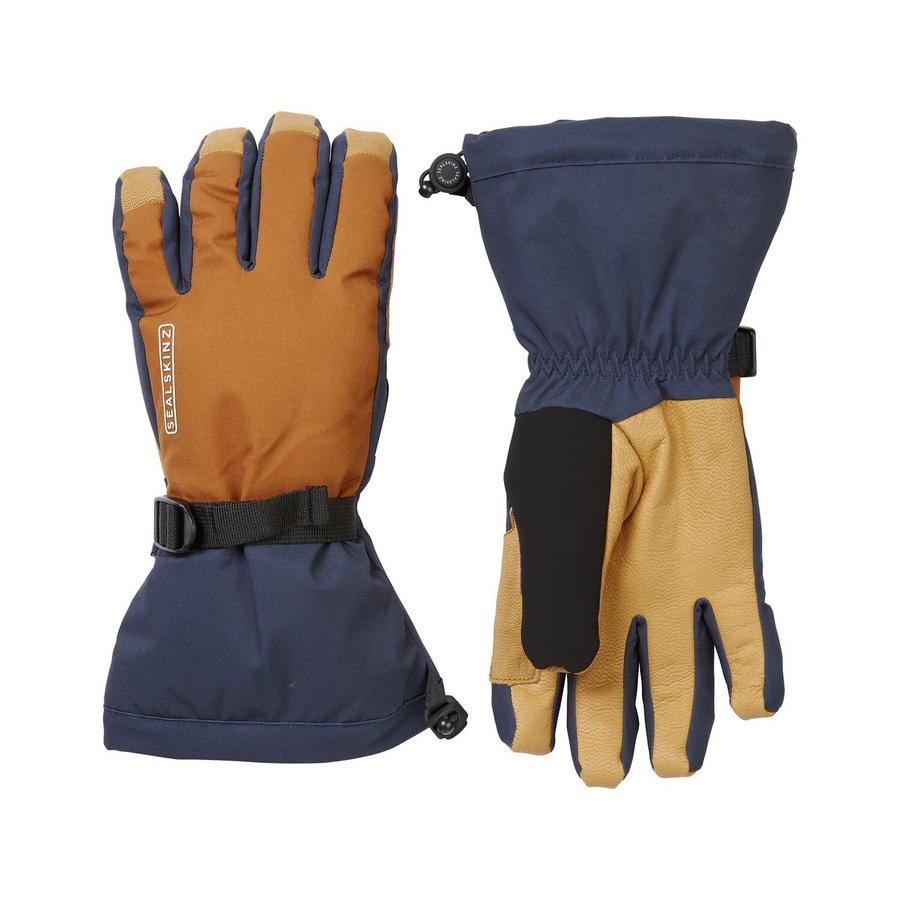
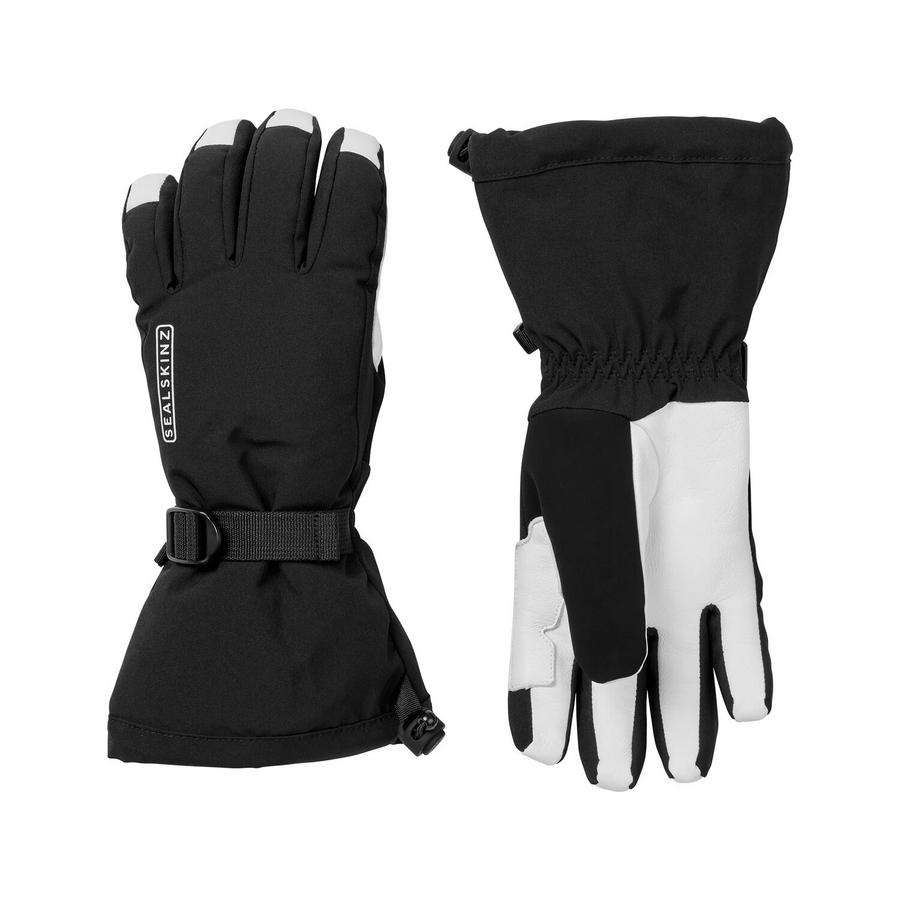
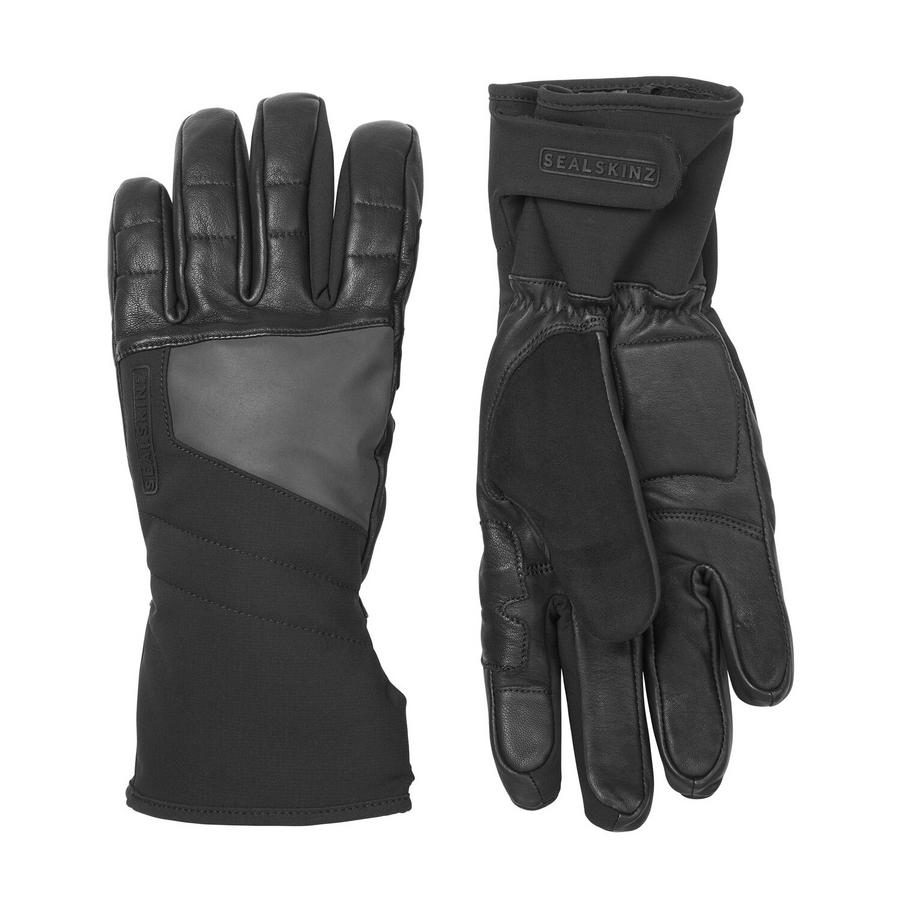
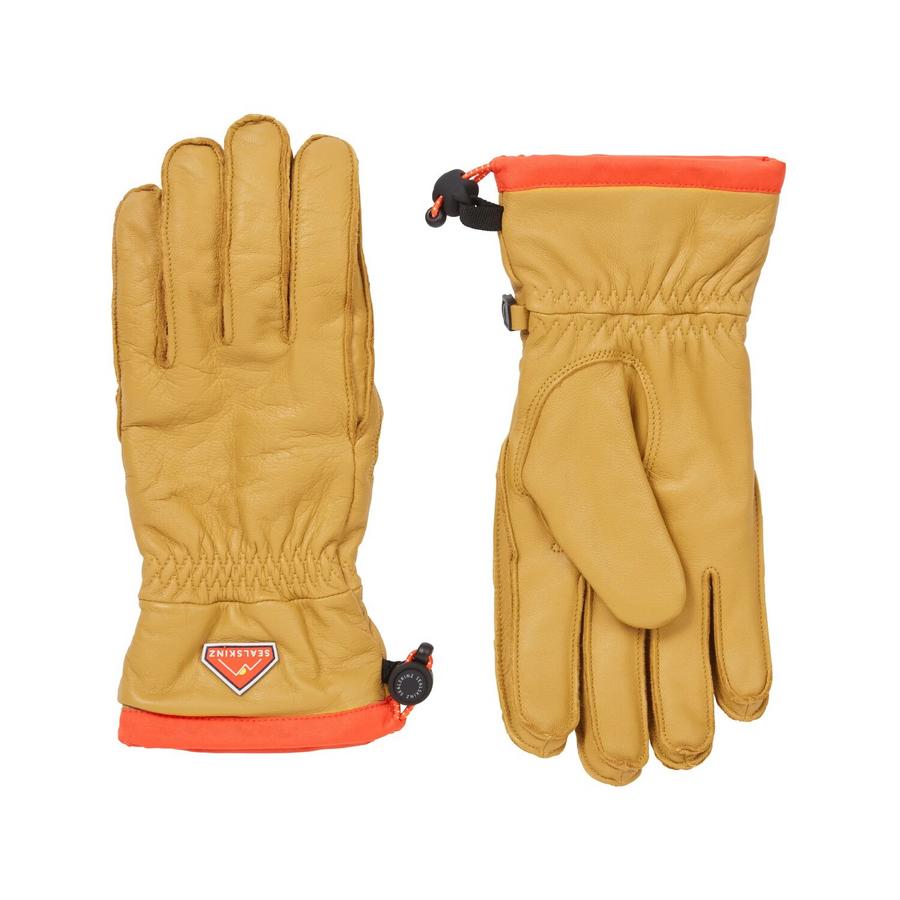
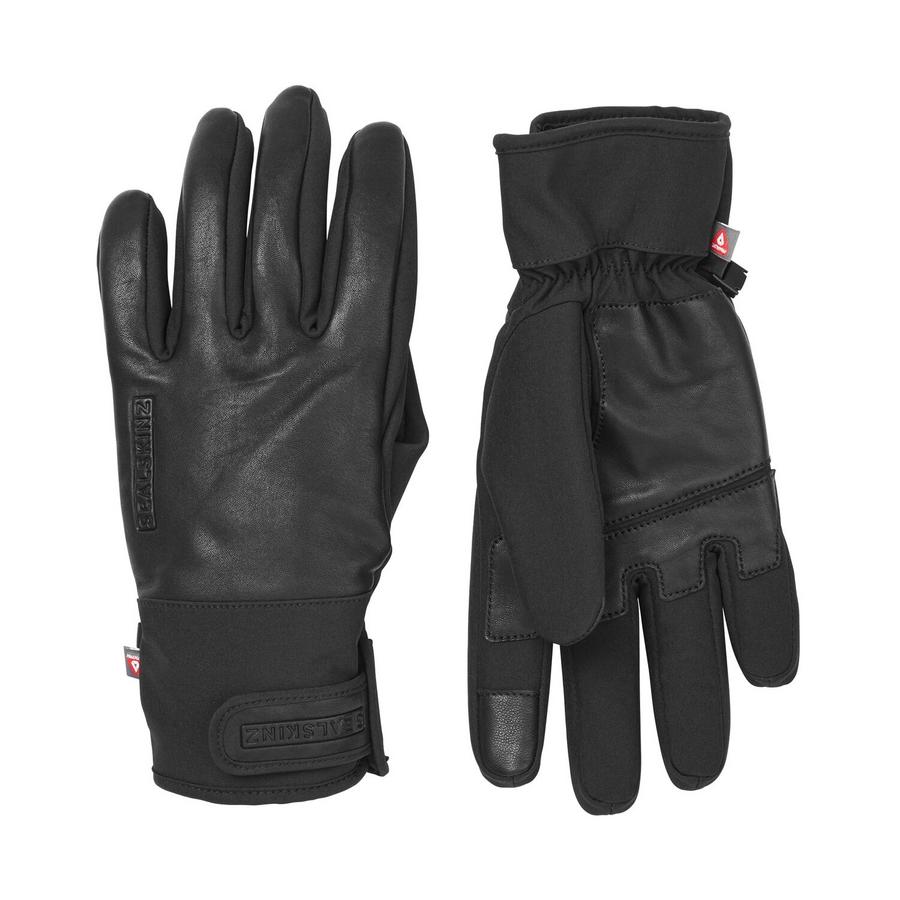
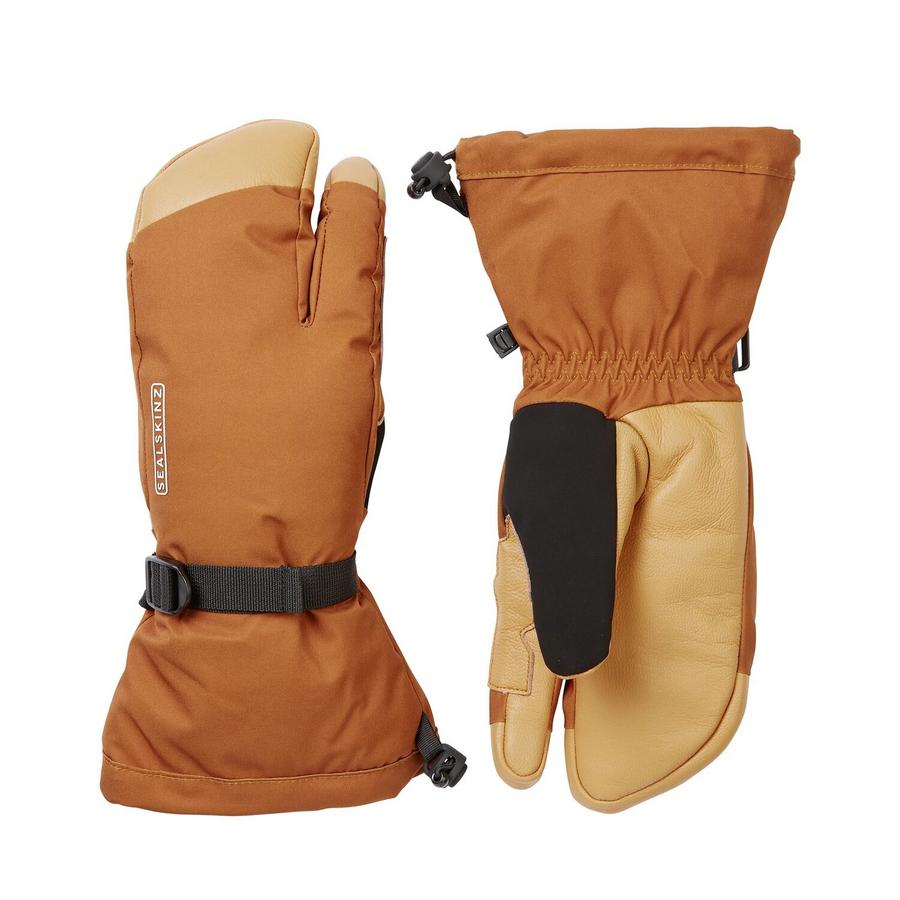
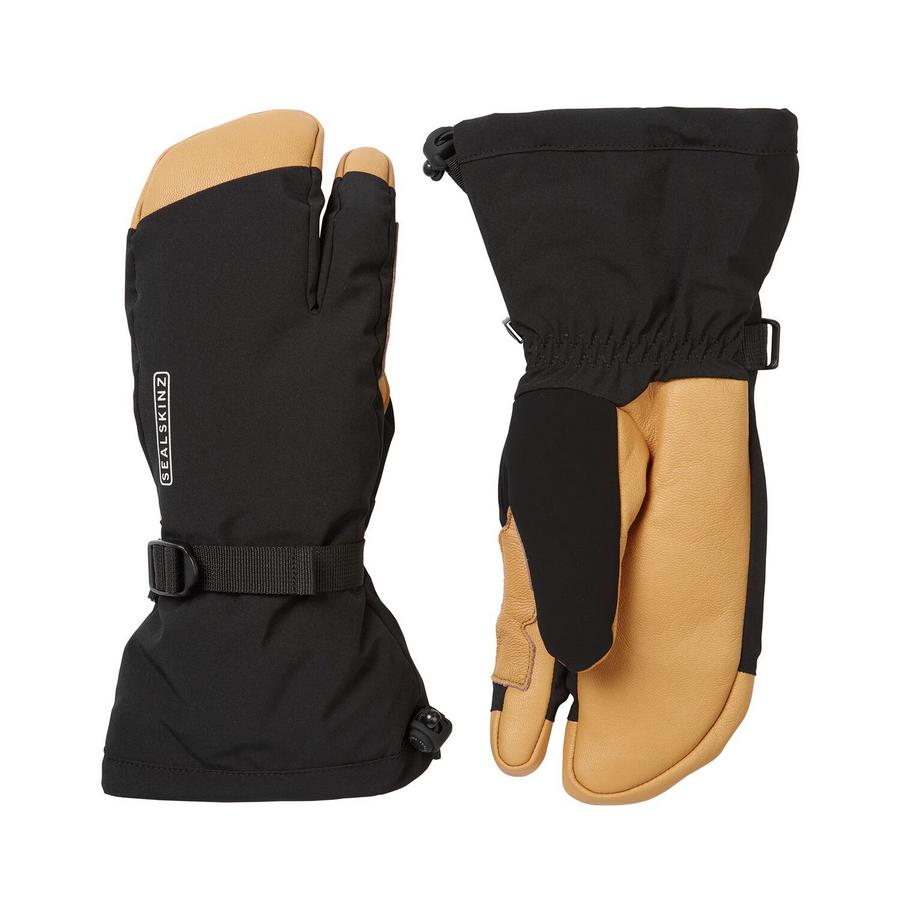
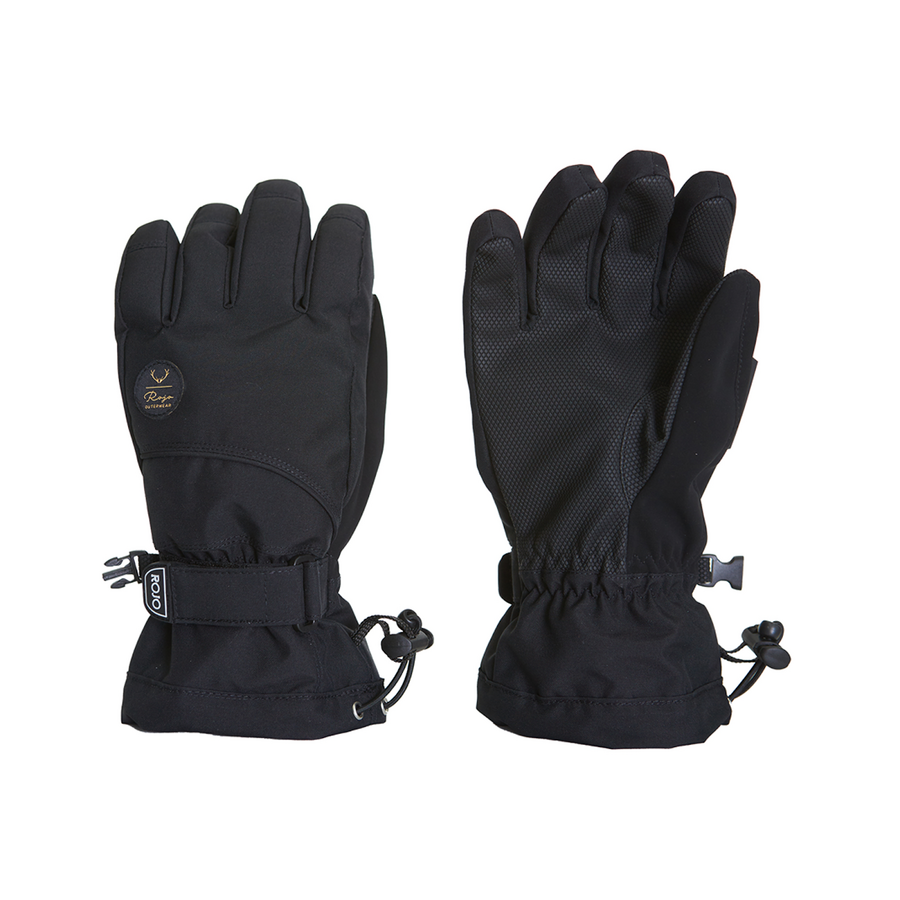
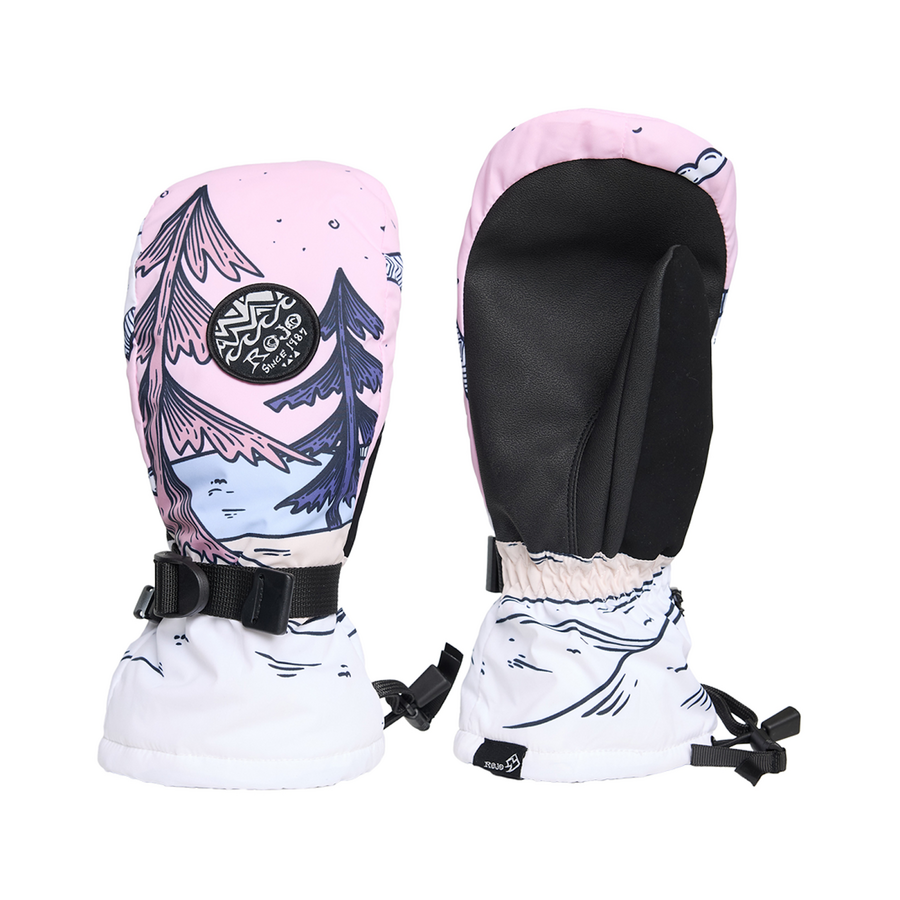
4. Gloves or Mittens: Lighter & Breathable
Ditch the heavy-duty winter gloves in favour of lightweight, waterproof gloves or spring-specific gloves with good ventilation.
If you tend to have cold hands in the morning, consider Glove Liners that you can remove as temperatures rise.
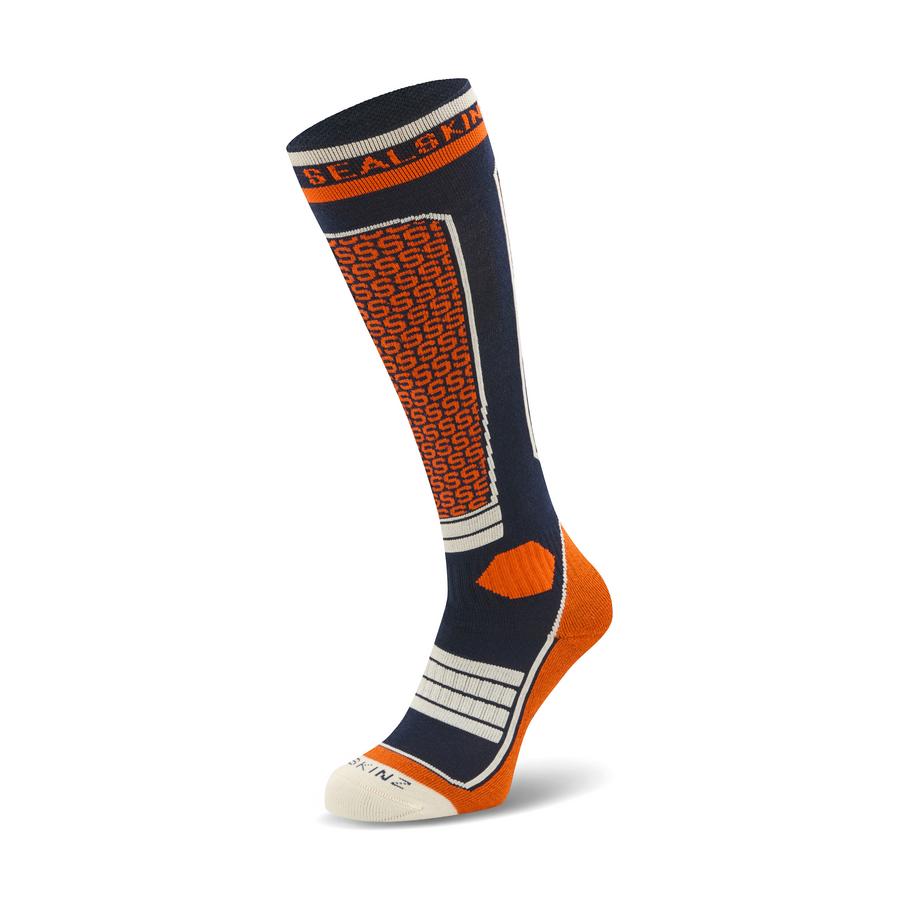
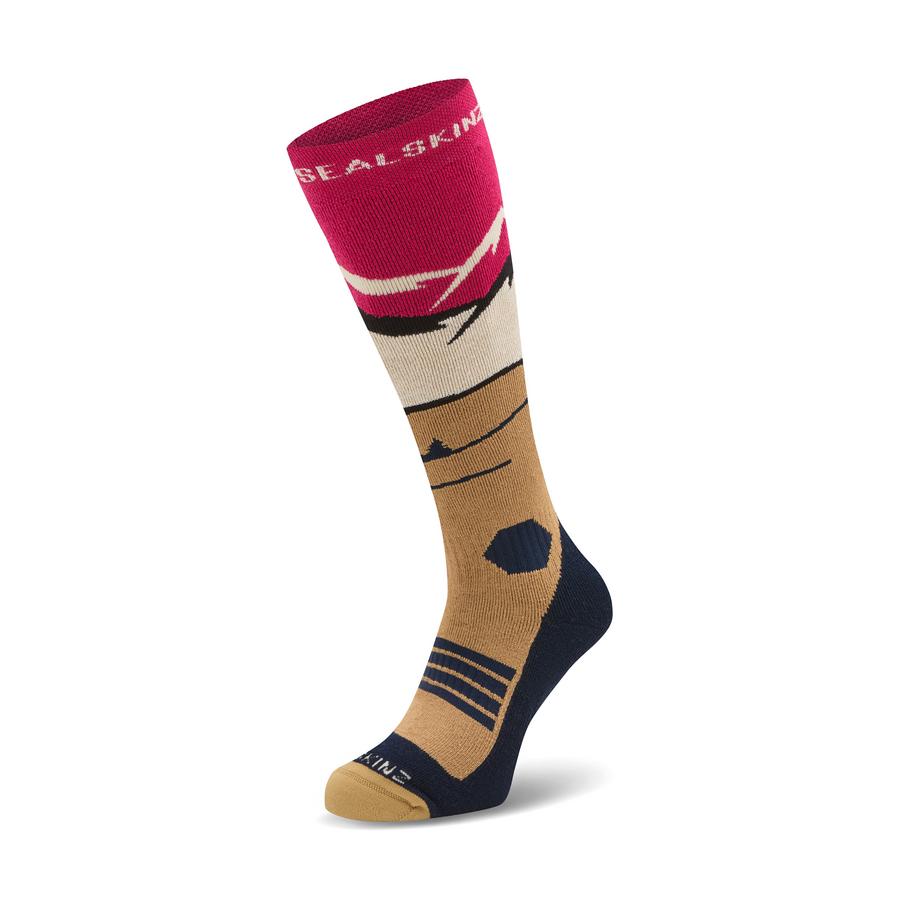
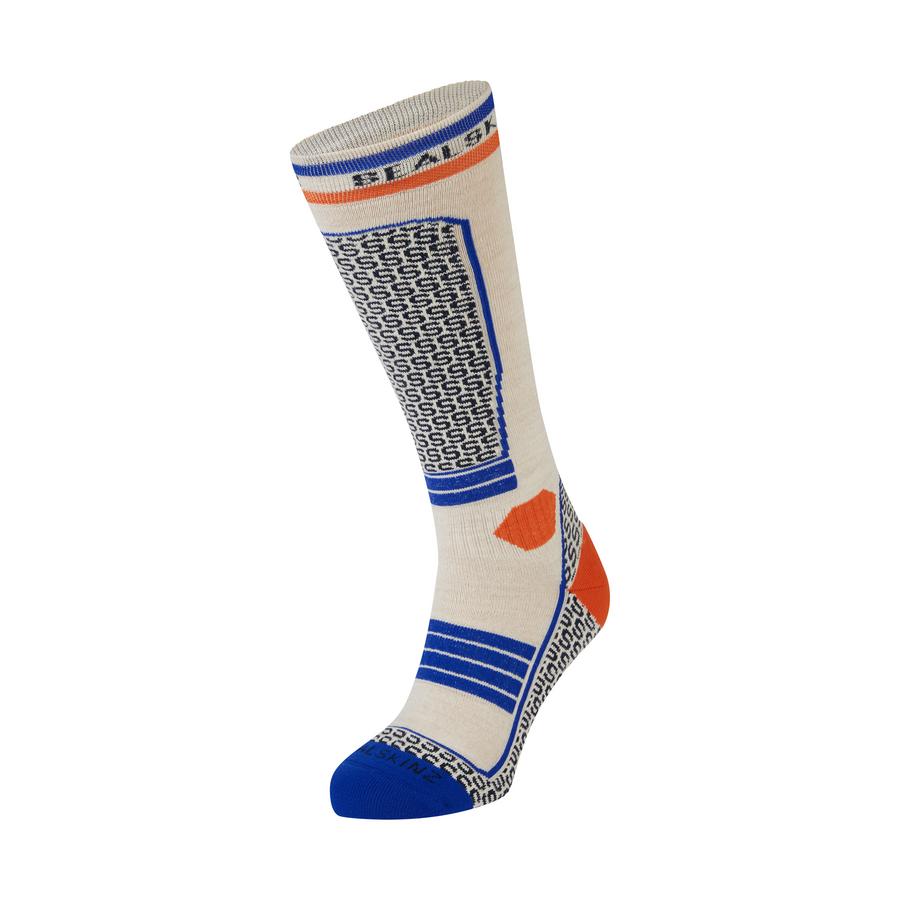
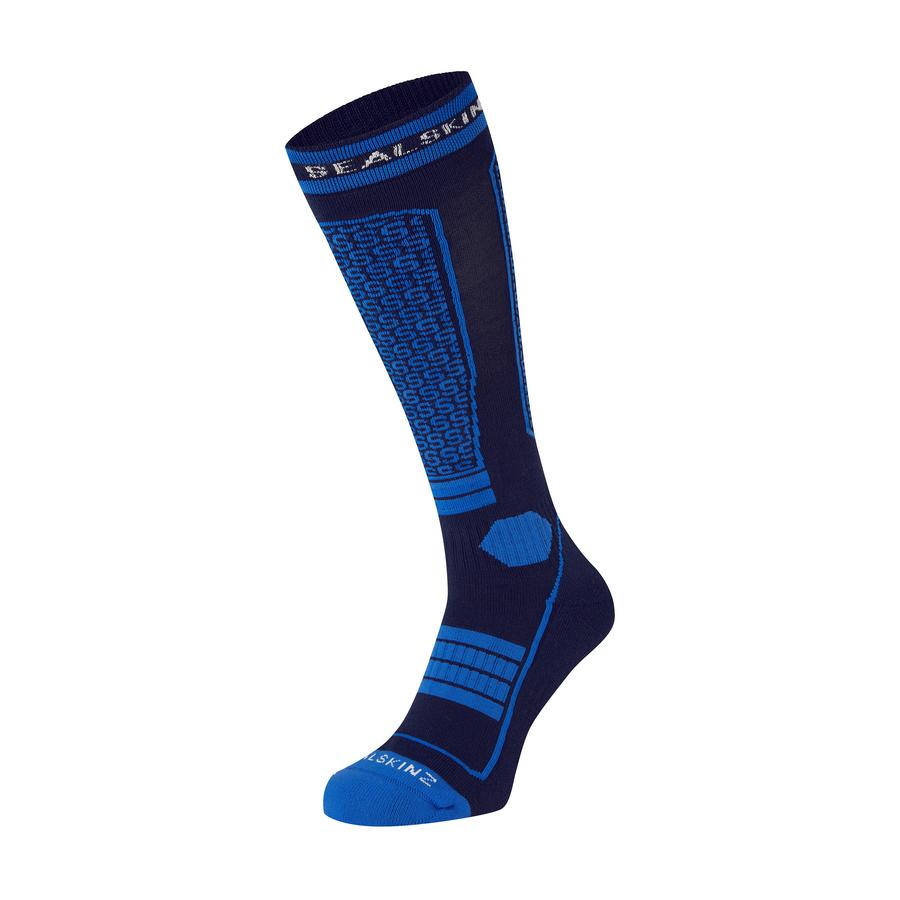
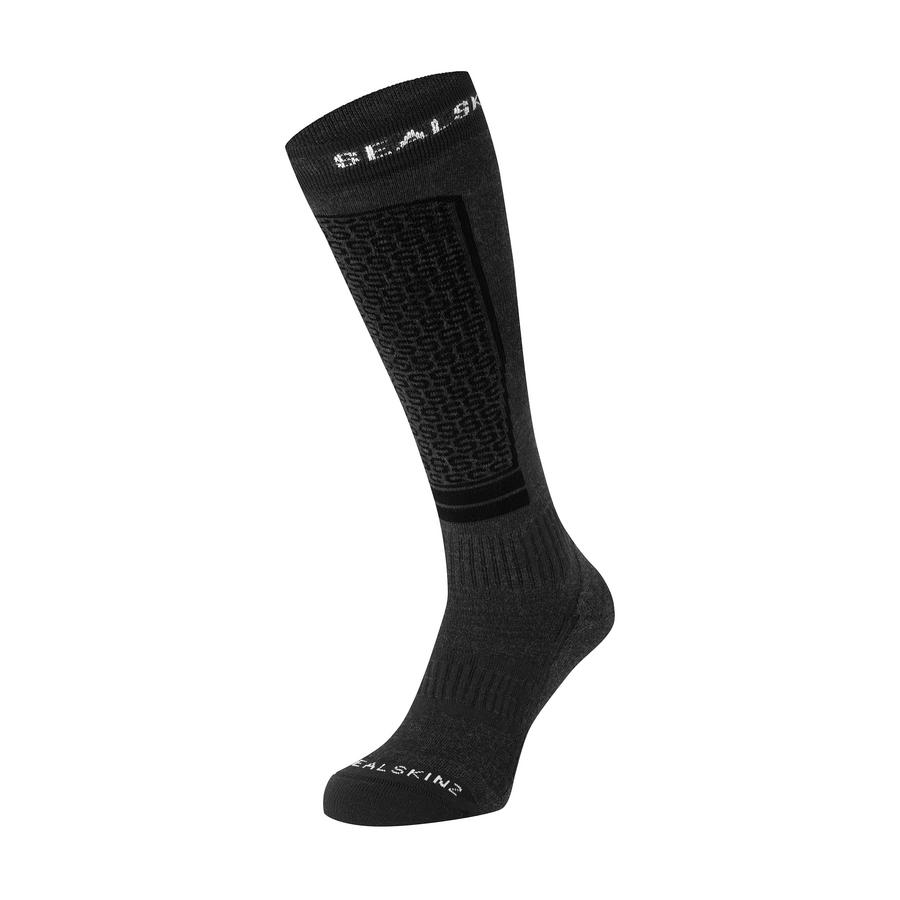
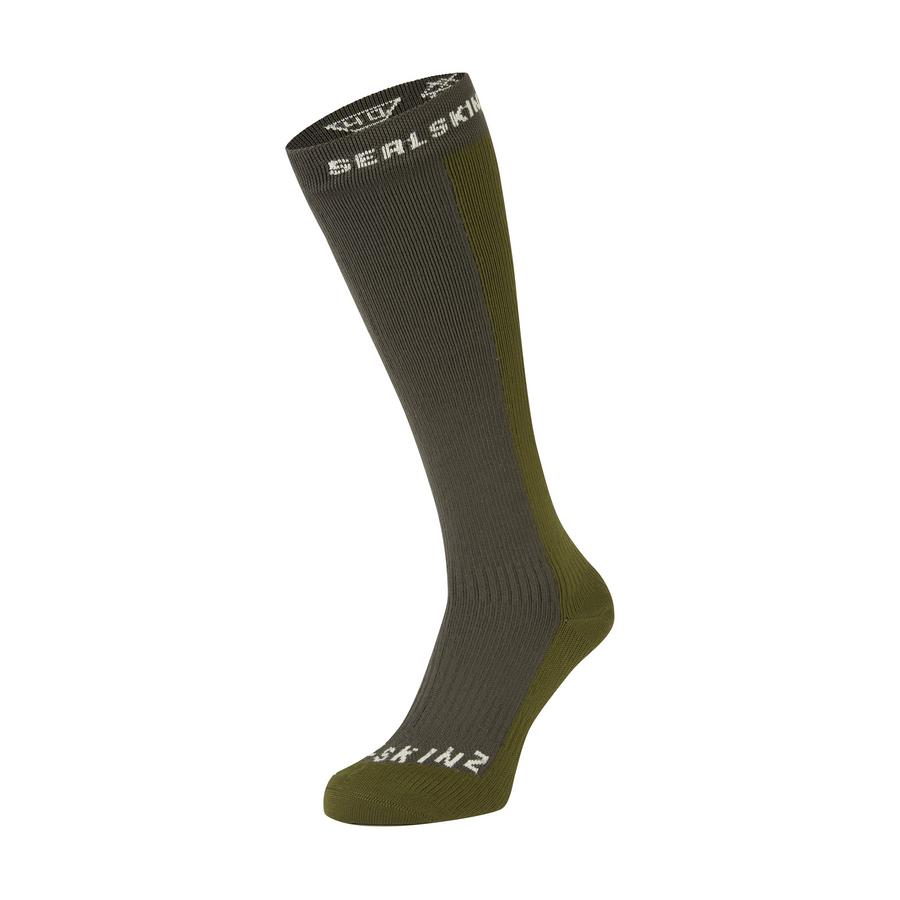
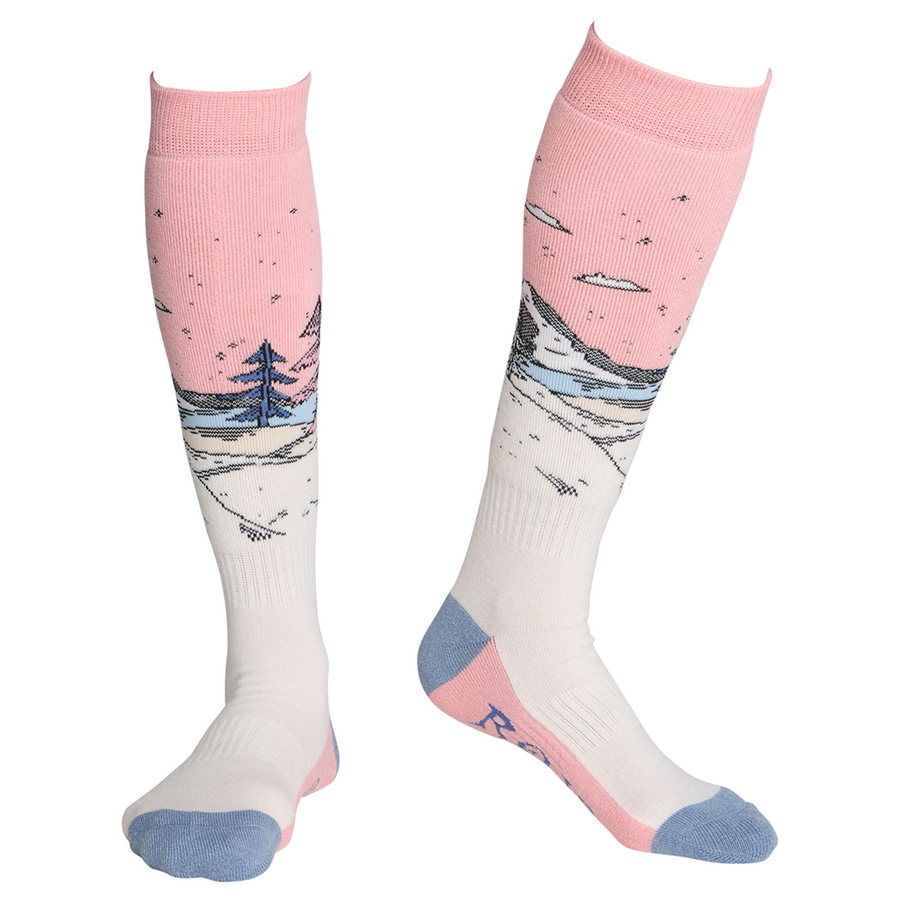
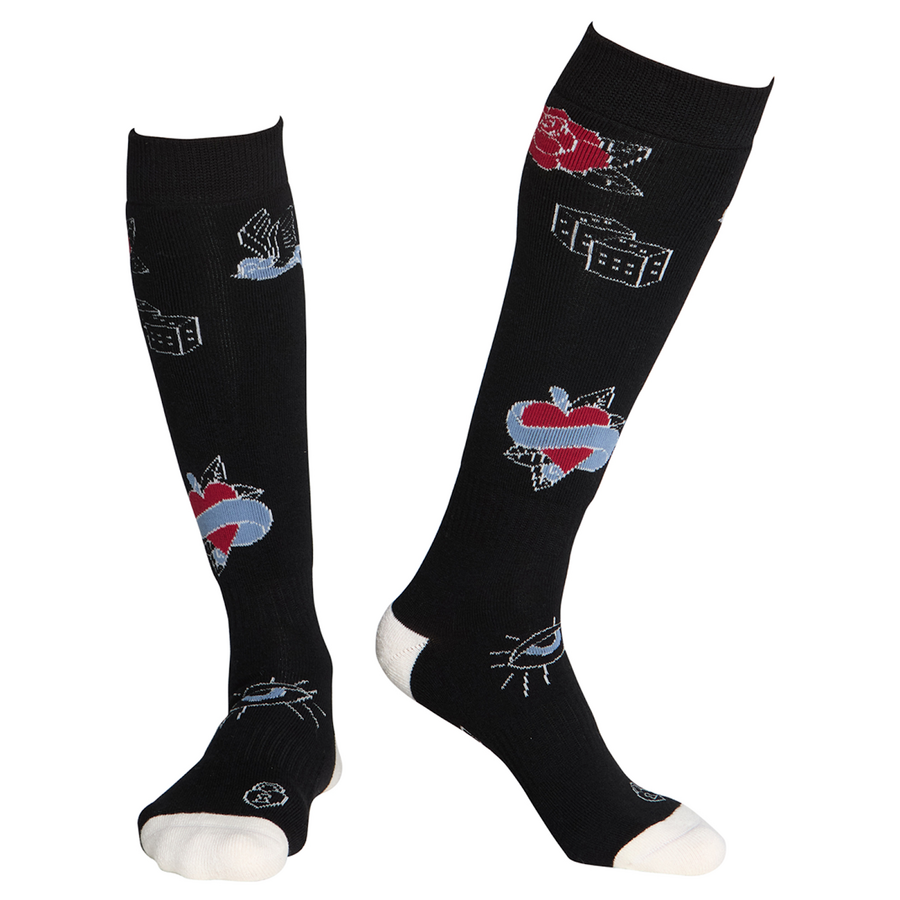
5. Technical Ski & Snowboard Socks: Avoid Overheating
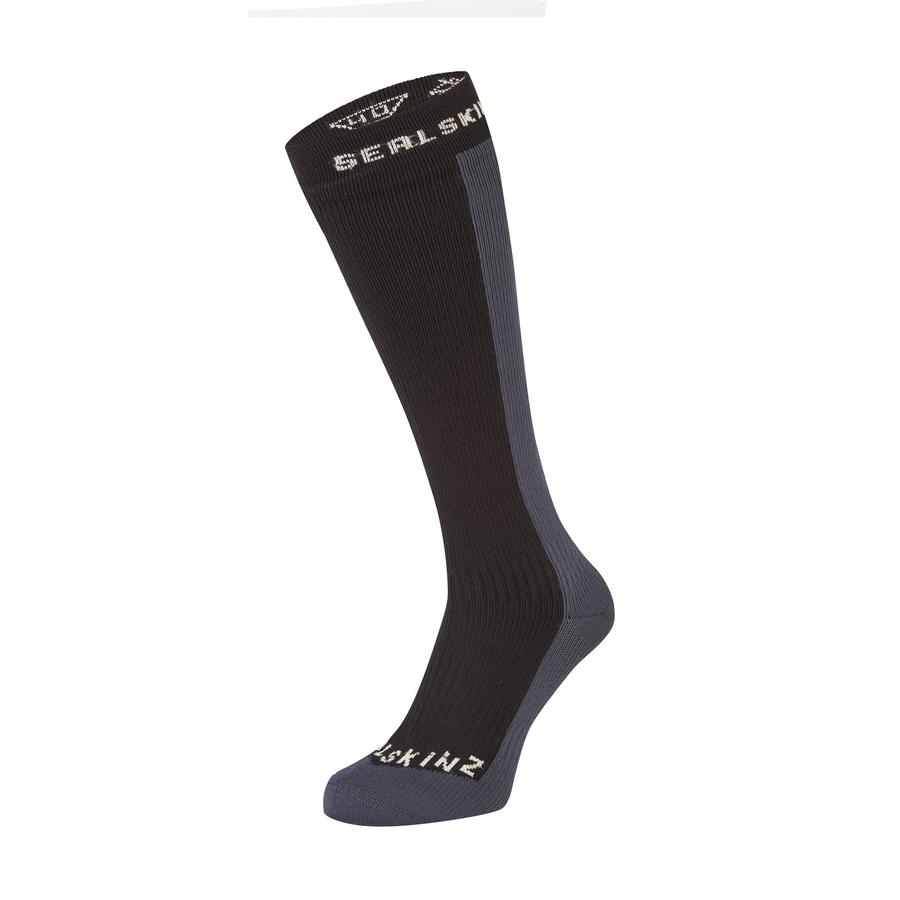
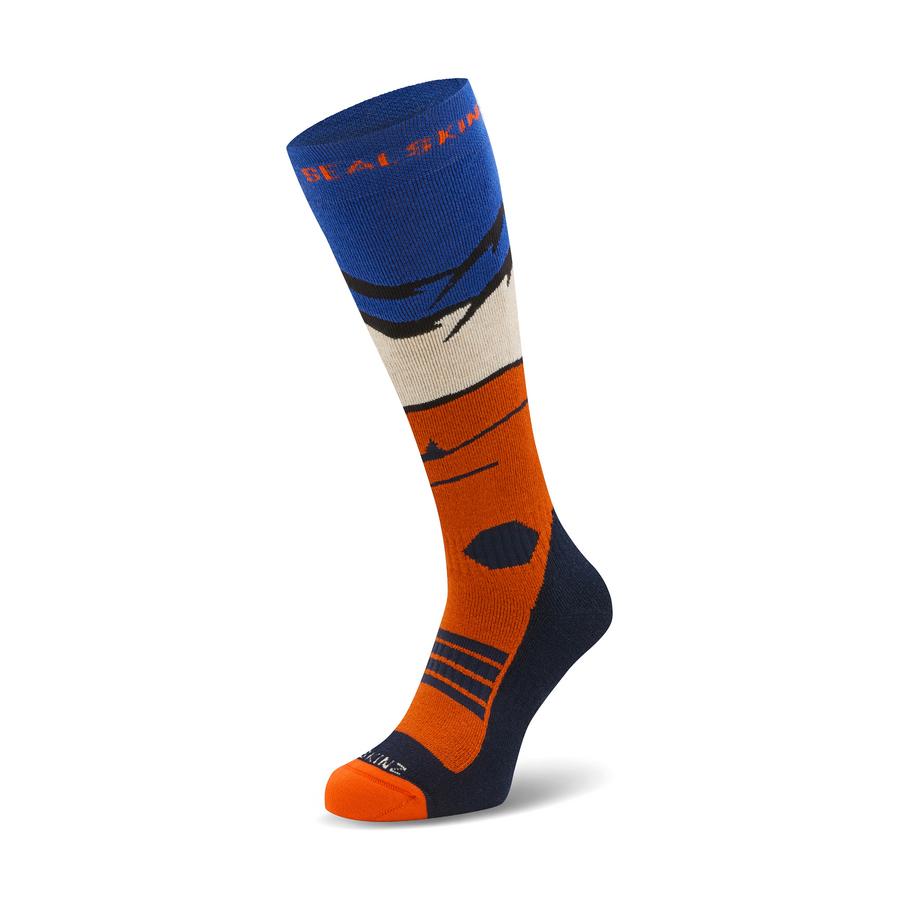
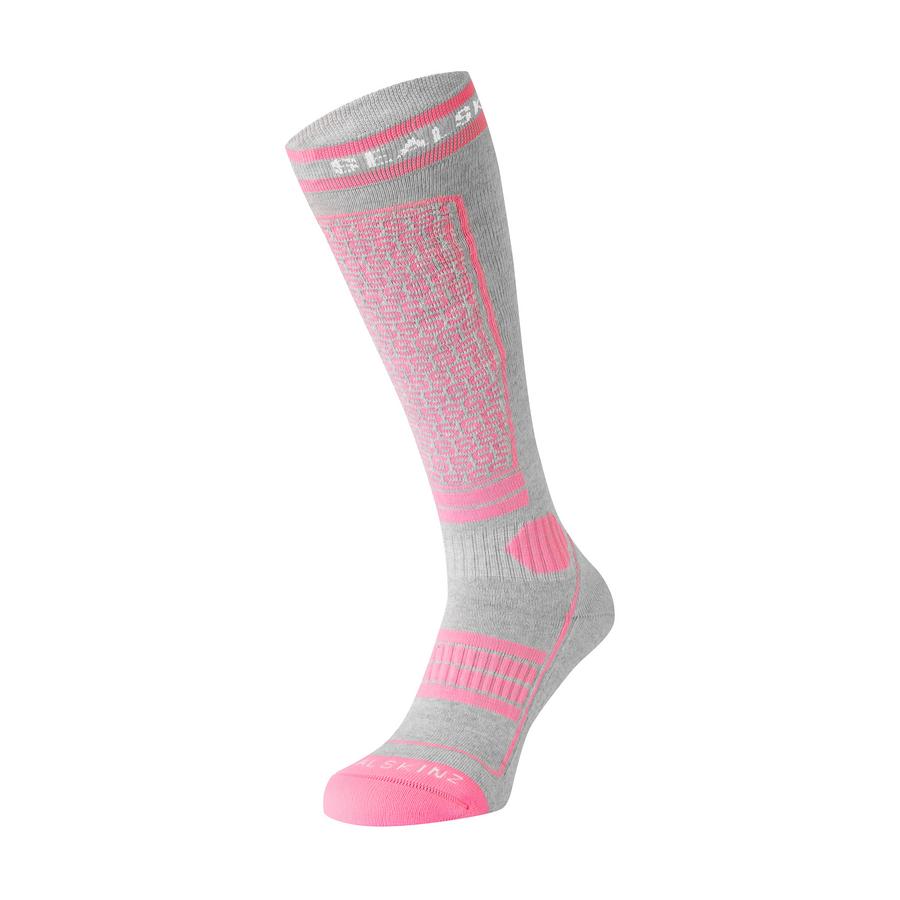
Opt for thin, moisture-wicking ski socks rather than thick winter ones.
Sweaty feet lead to discomfort and blisters, so synthetic or Merino Wool Socks are the best bet for keeping your feet dry and comfy.
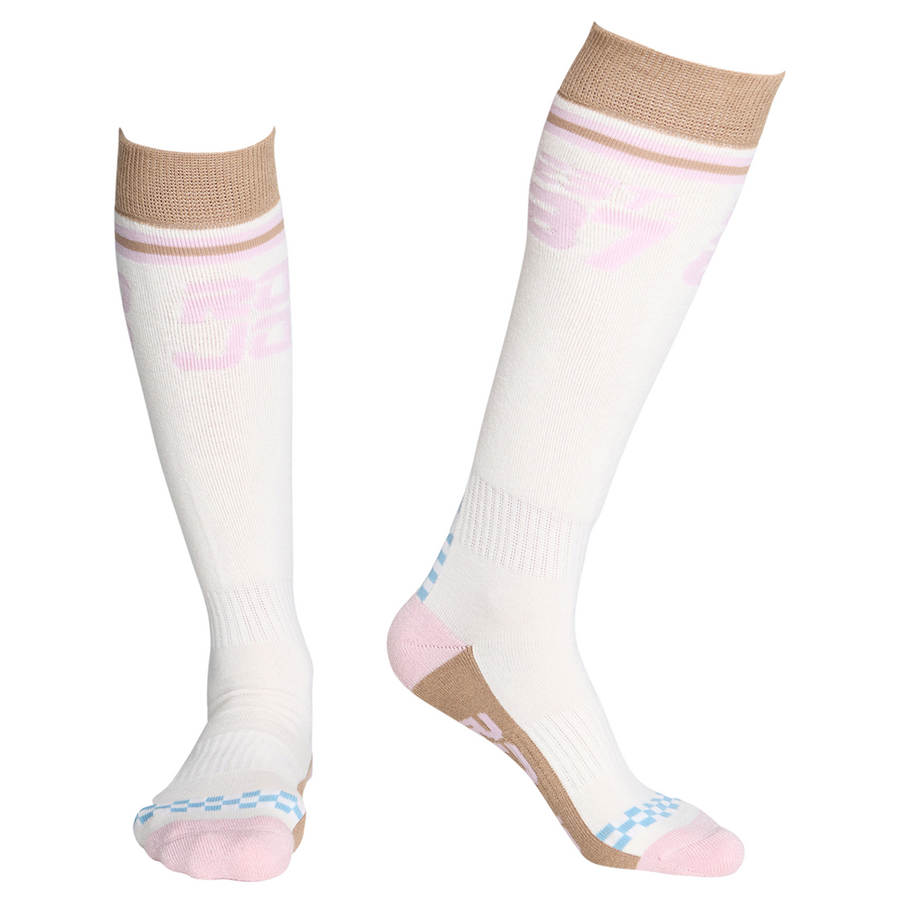
For more on choosing socks, check out our Guide to Buying Ski & Snowboard Socks
6. Helmets: Safety with Ventilation
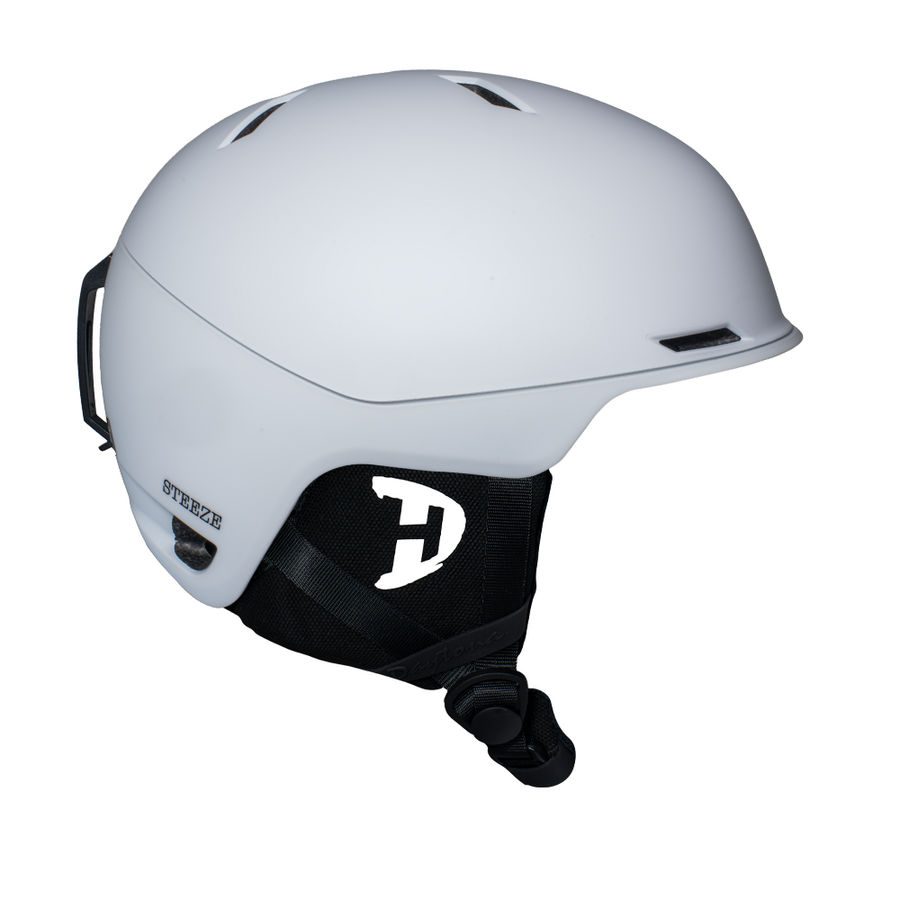
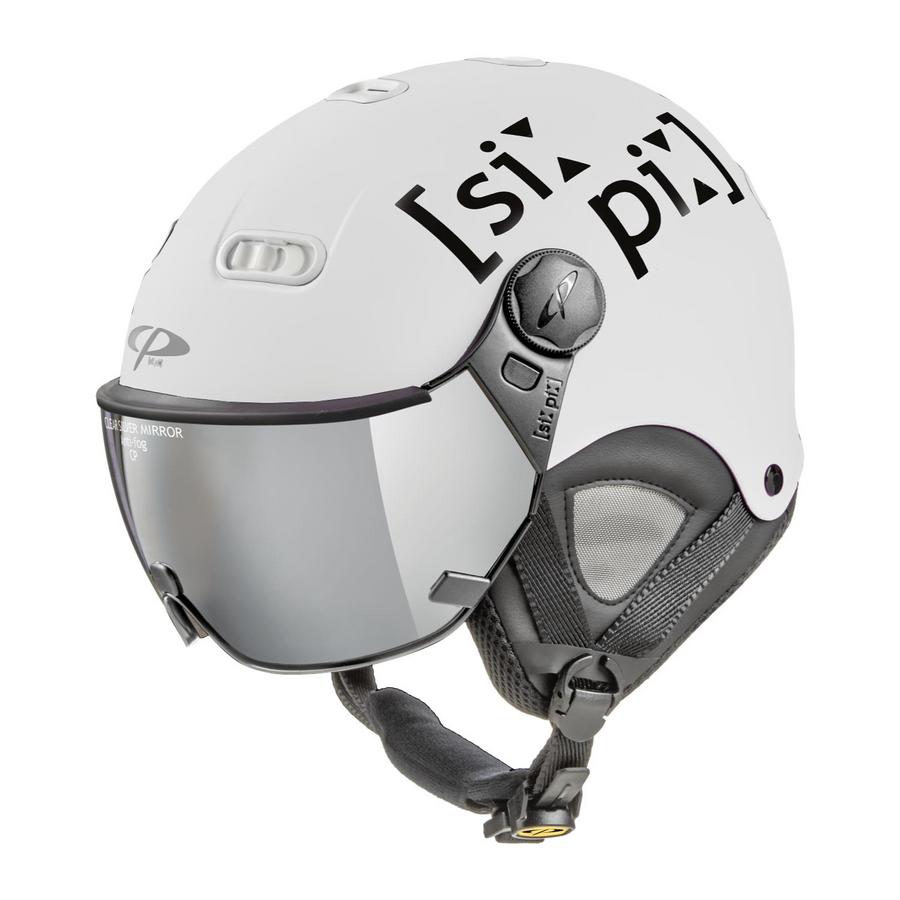
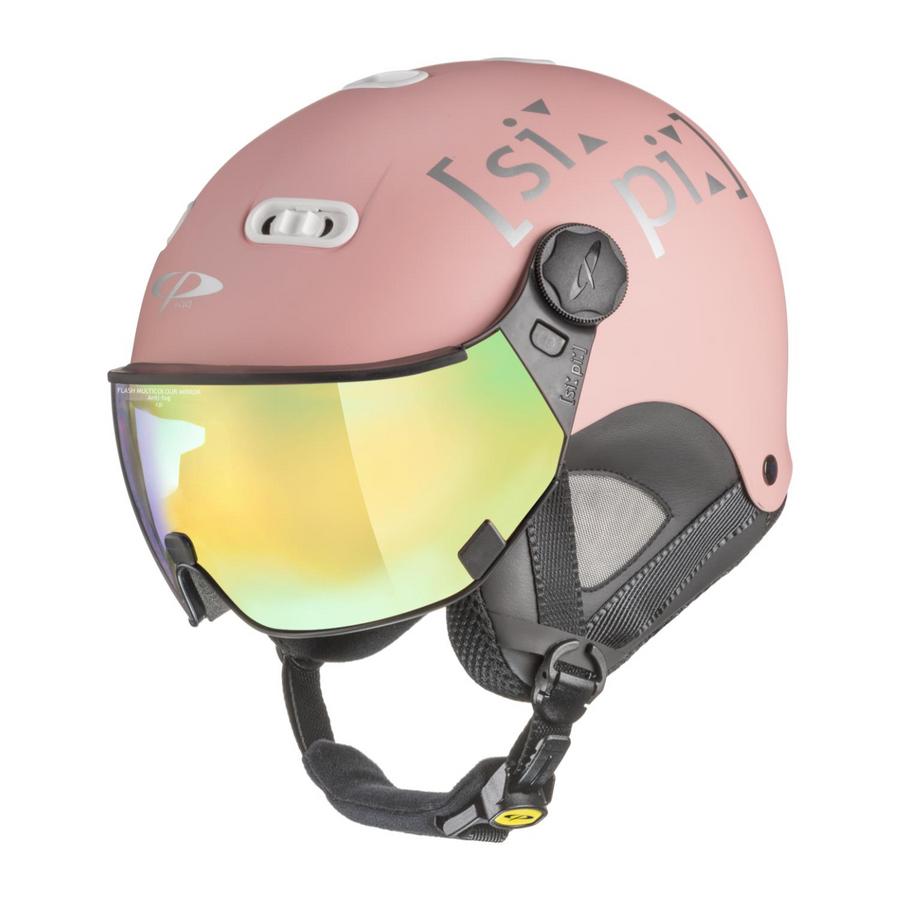
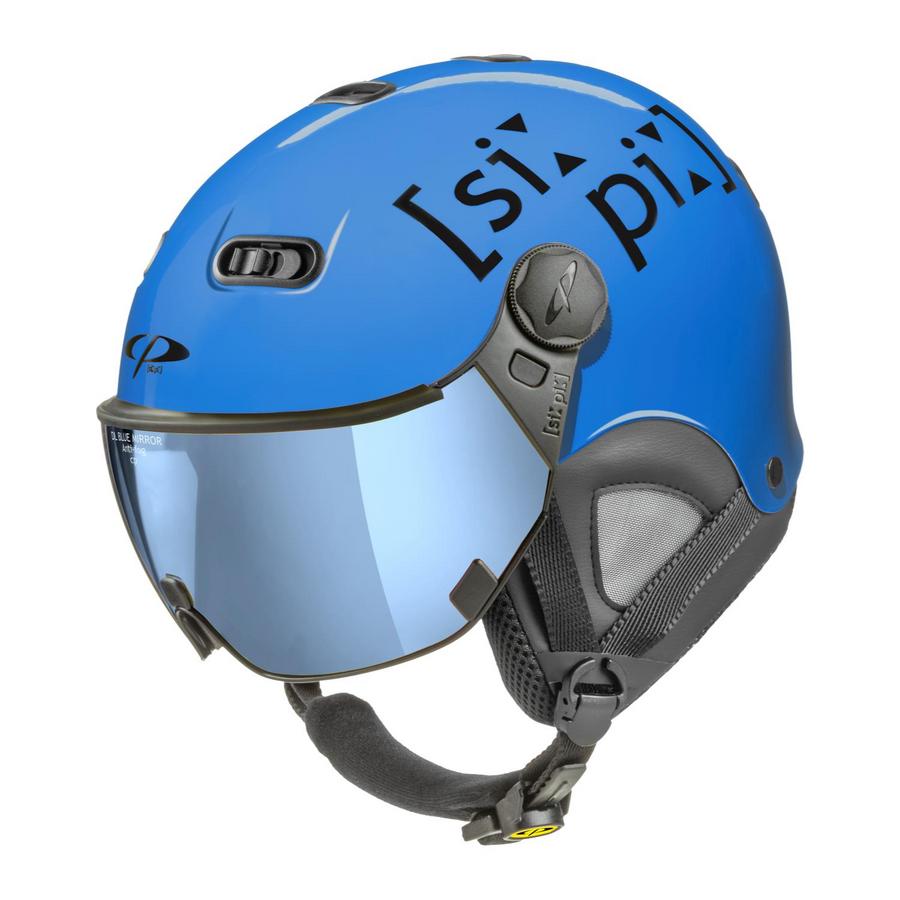
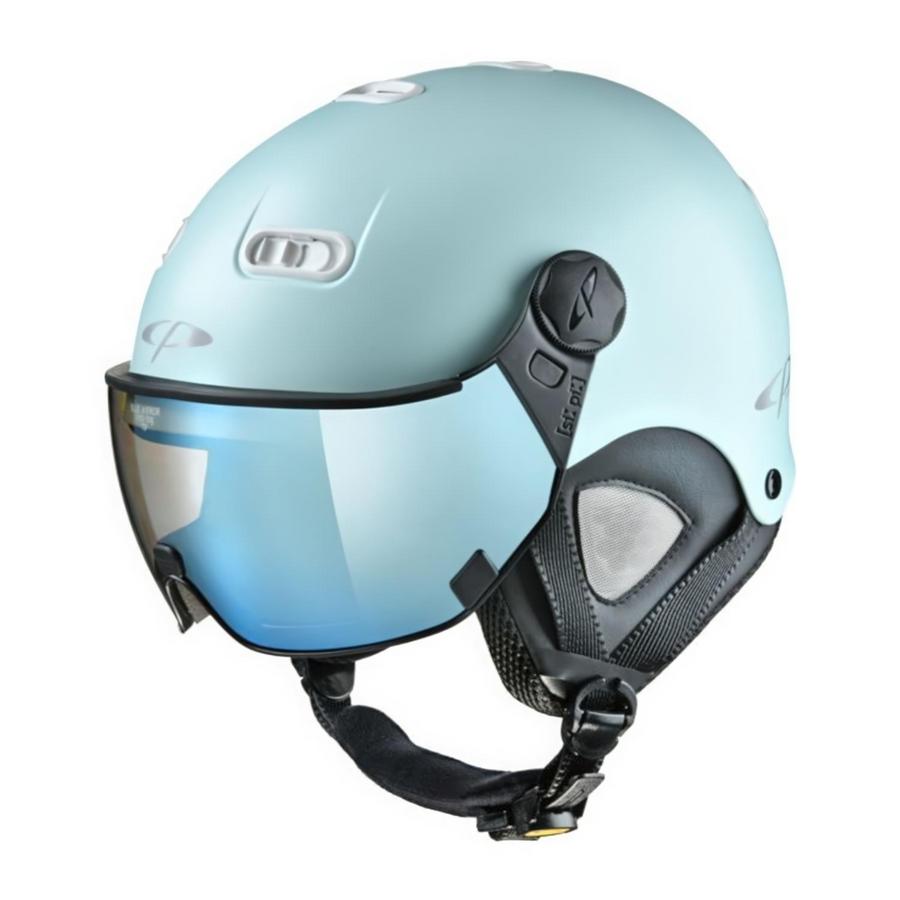
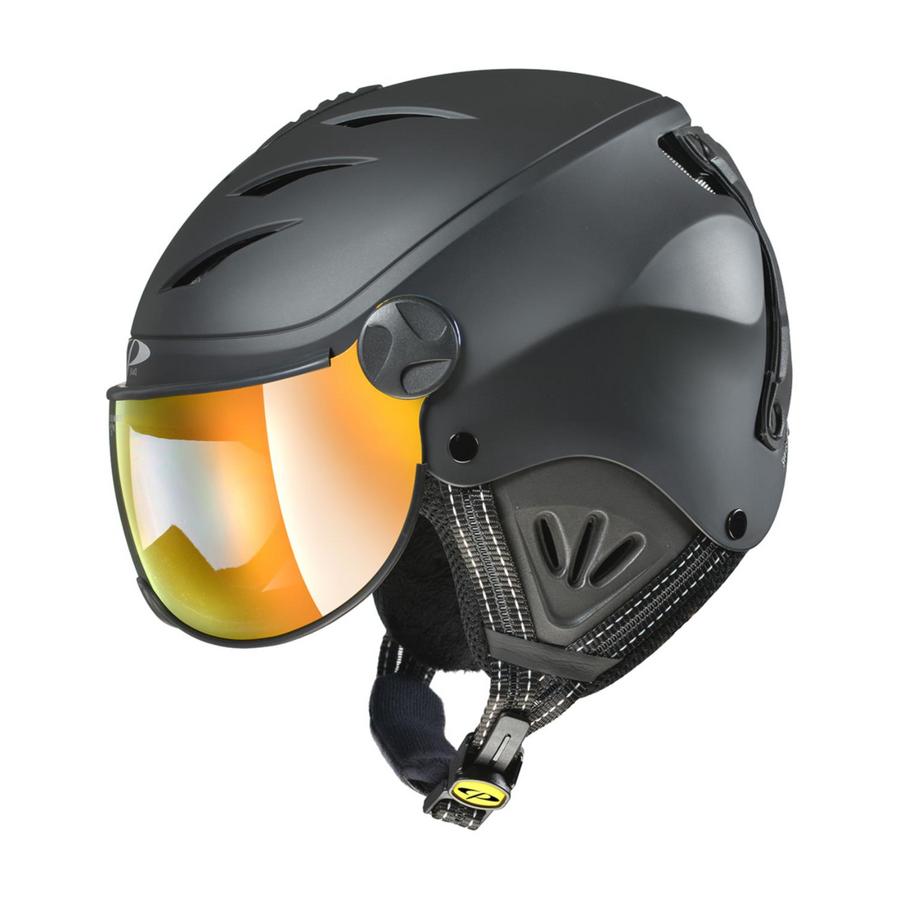
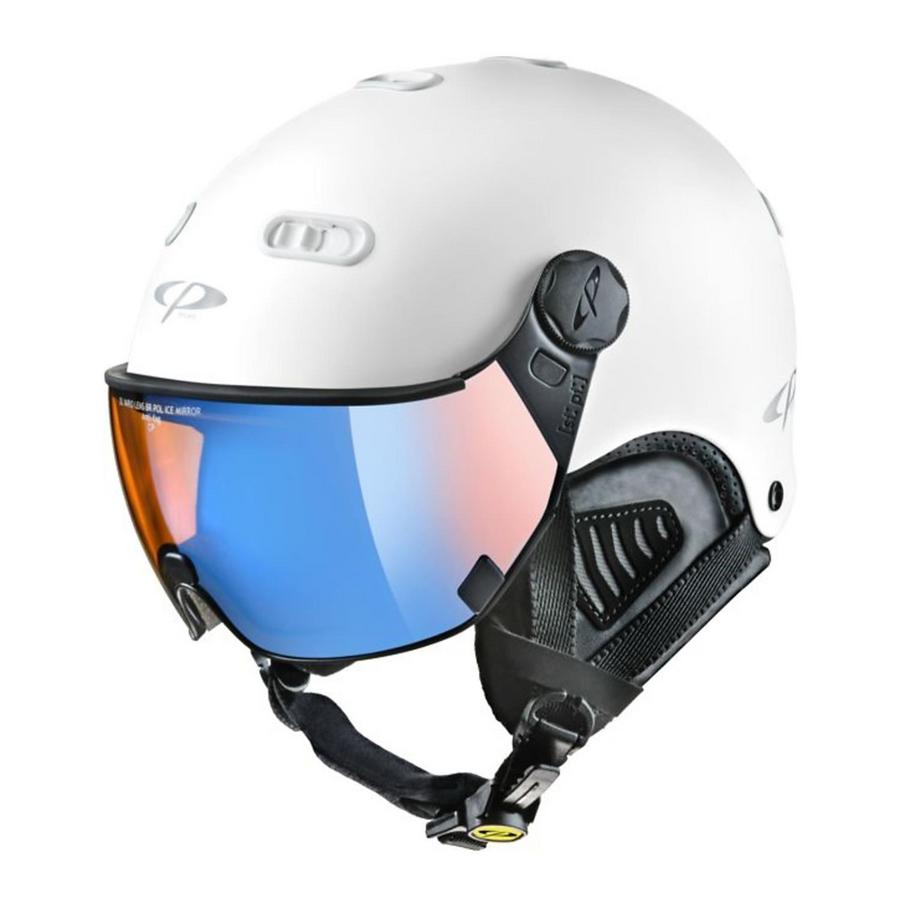
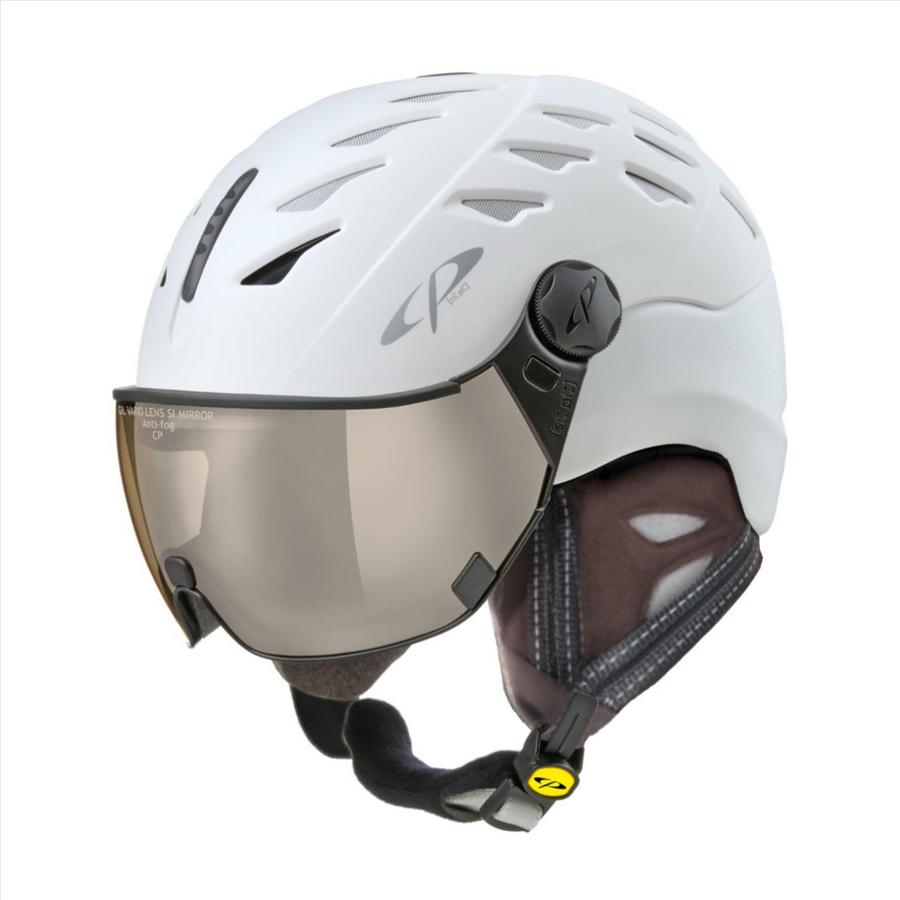
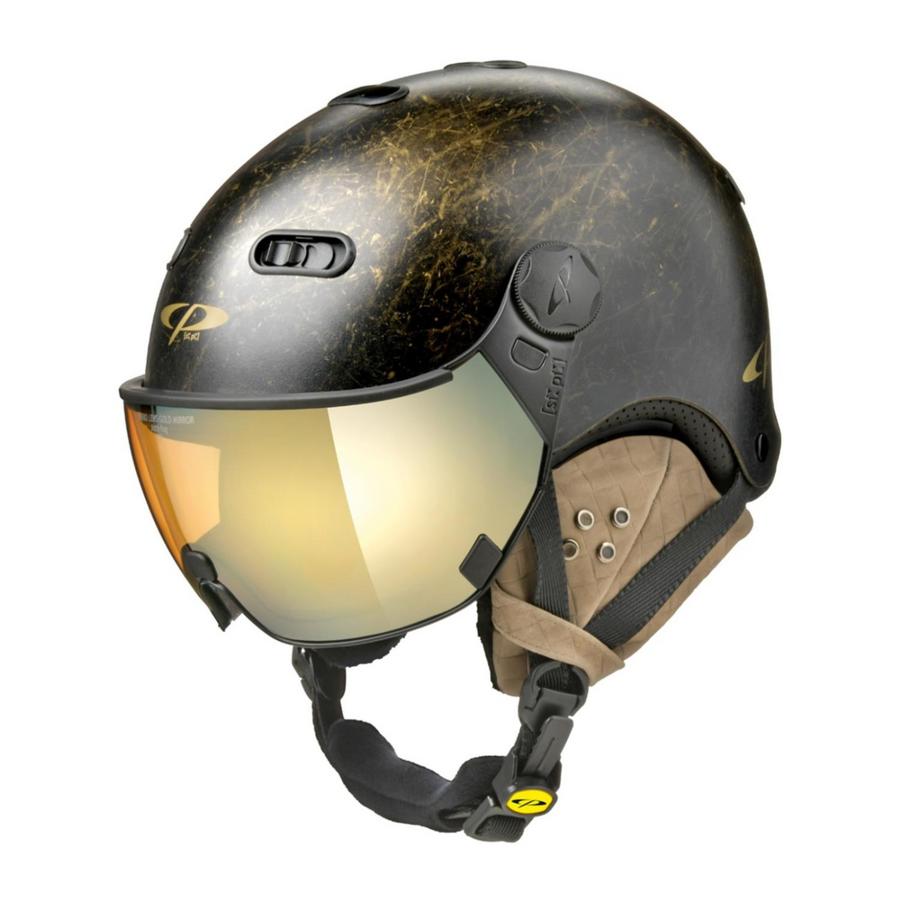
A helmet is a must, no matter the season, but in spring, ventilation becomes key.
Choose a helmet with Adjustable Vents to allow airflow and prevent overheating. If it gets too warm, remove the ear pads for extra breathability.
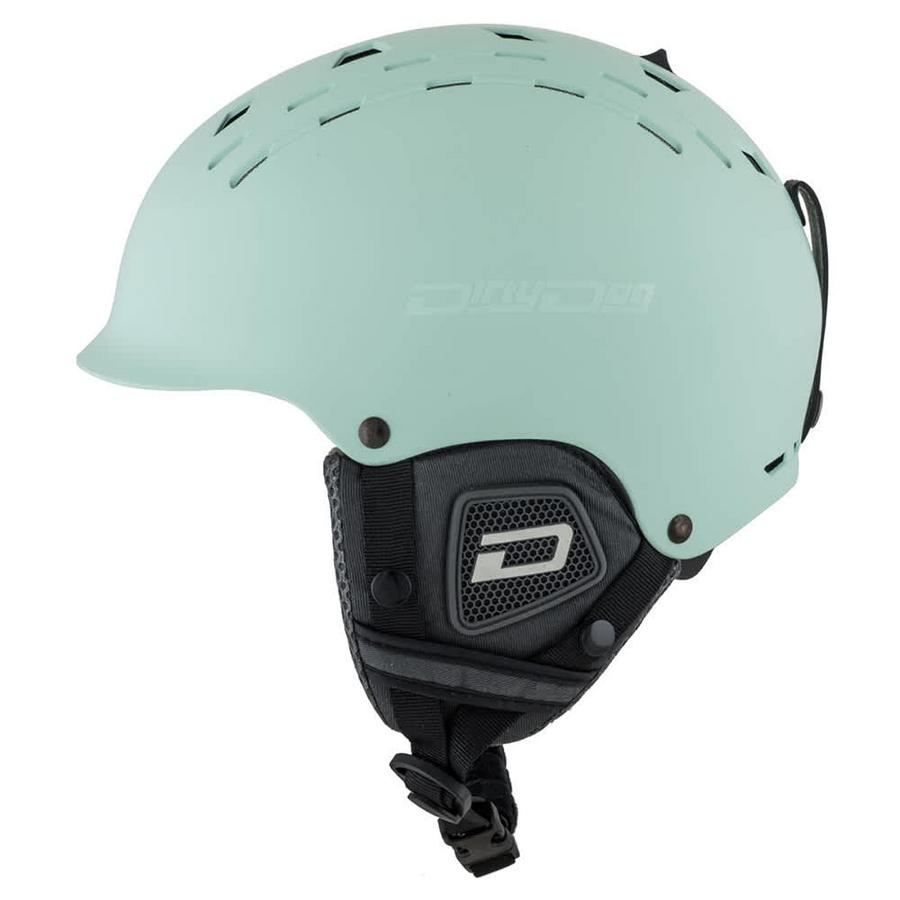
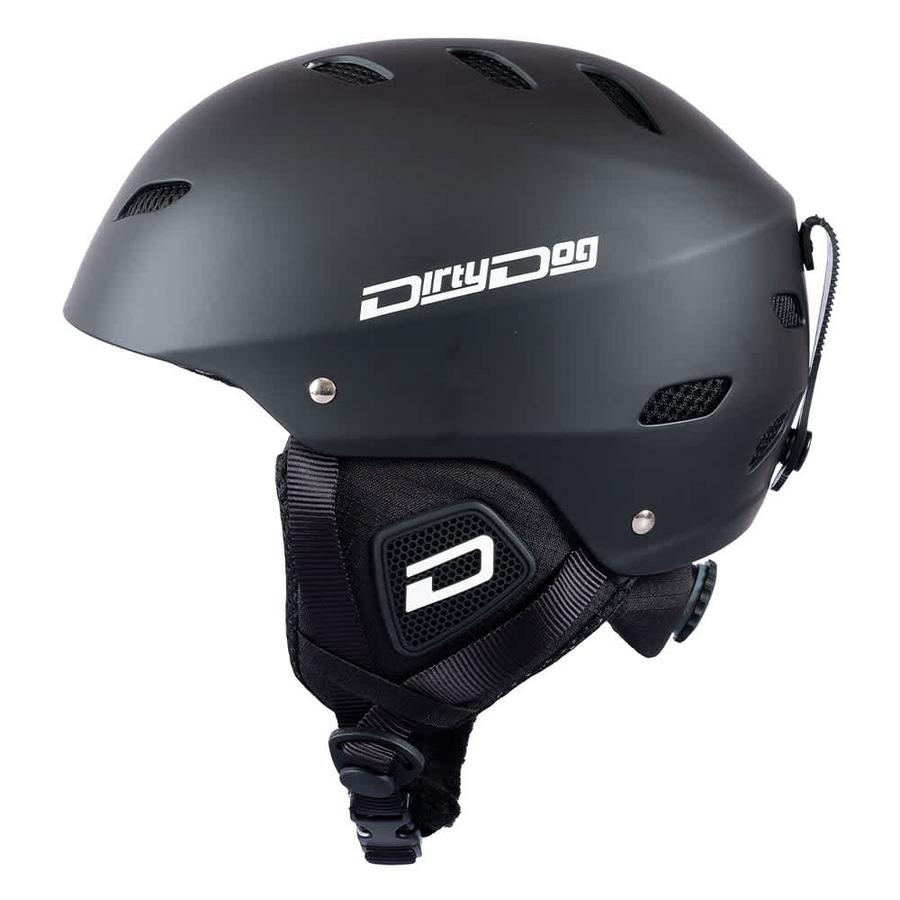
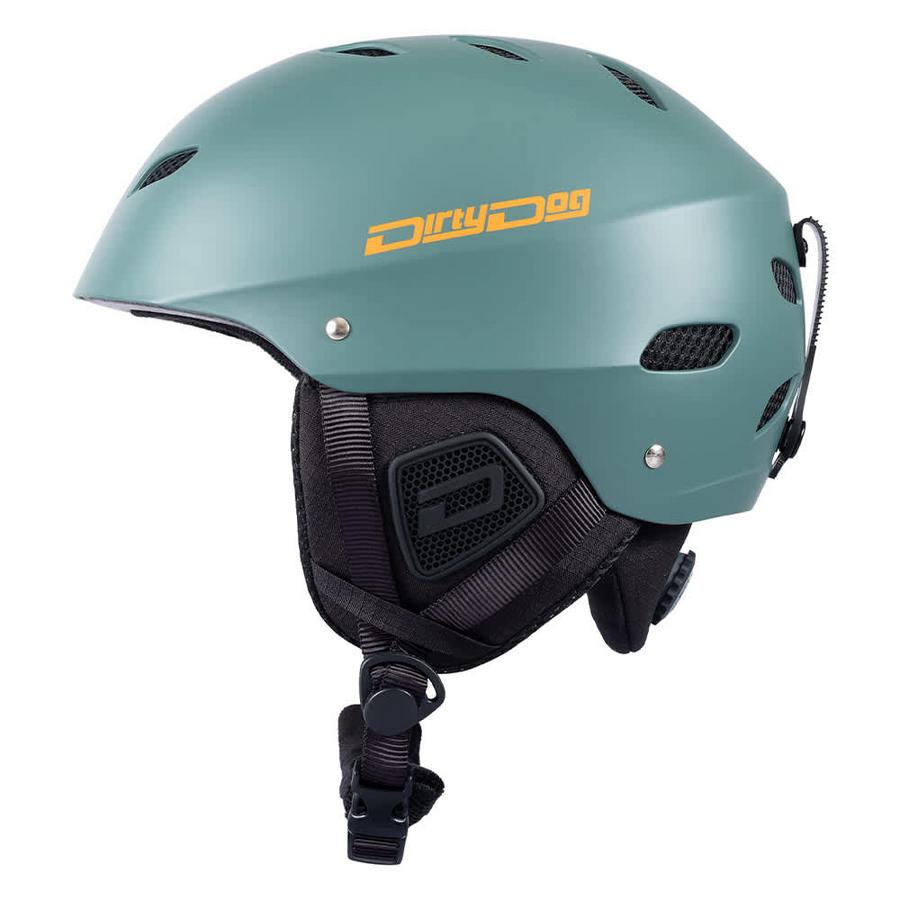
For more on choosing helmets, check out our Guide to Buying Ski & Snowboard Helmets
7. Goggles: Adapt to Changing Light
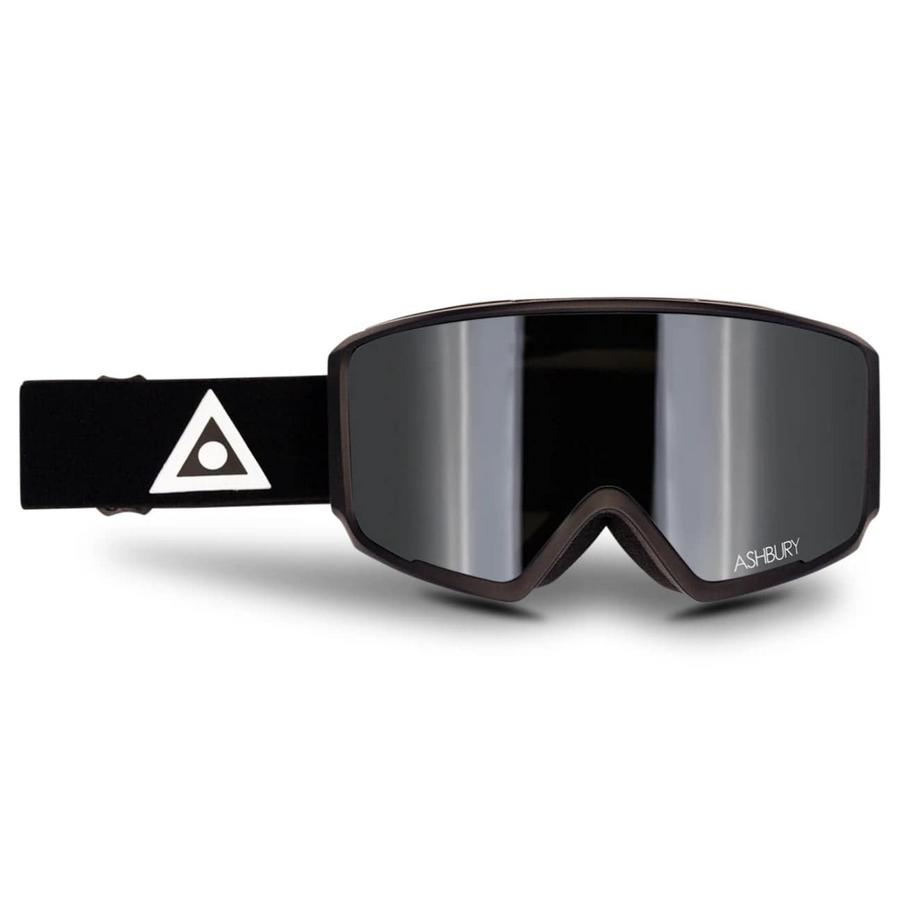
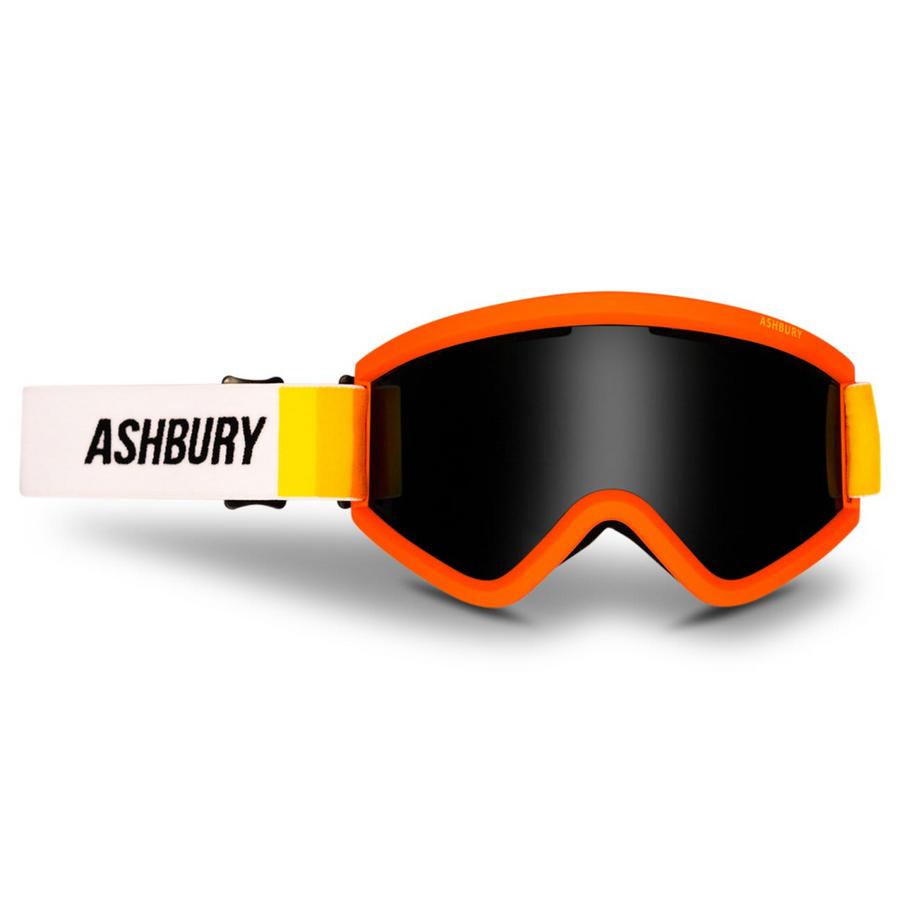
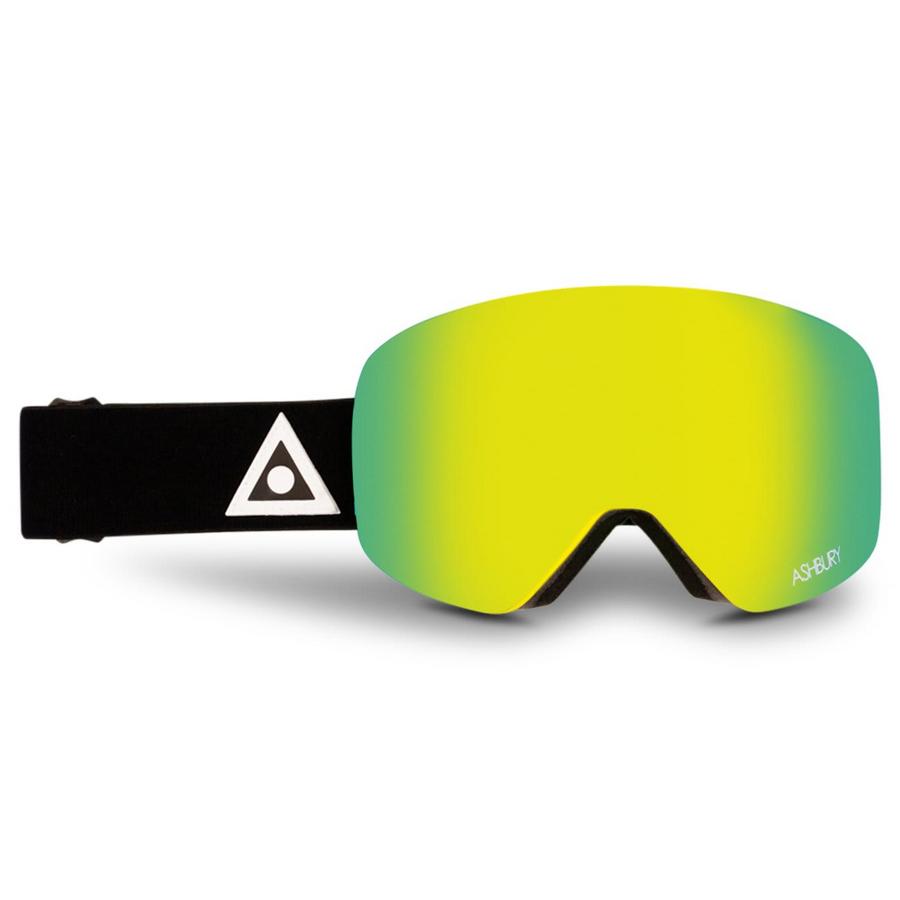
Spring conditions can vary from bright, sunny skies to sudden cloud cover.
A pair of goggles with Interchangeable Lenses or Photochromic Lenses that adapt to changing light conditions is a game-changer.
Look for anti-fog coatings, as temperature shifts can cause more moisture buildup.
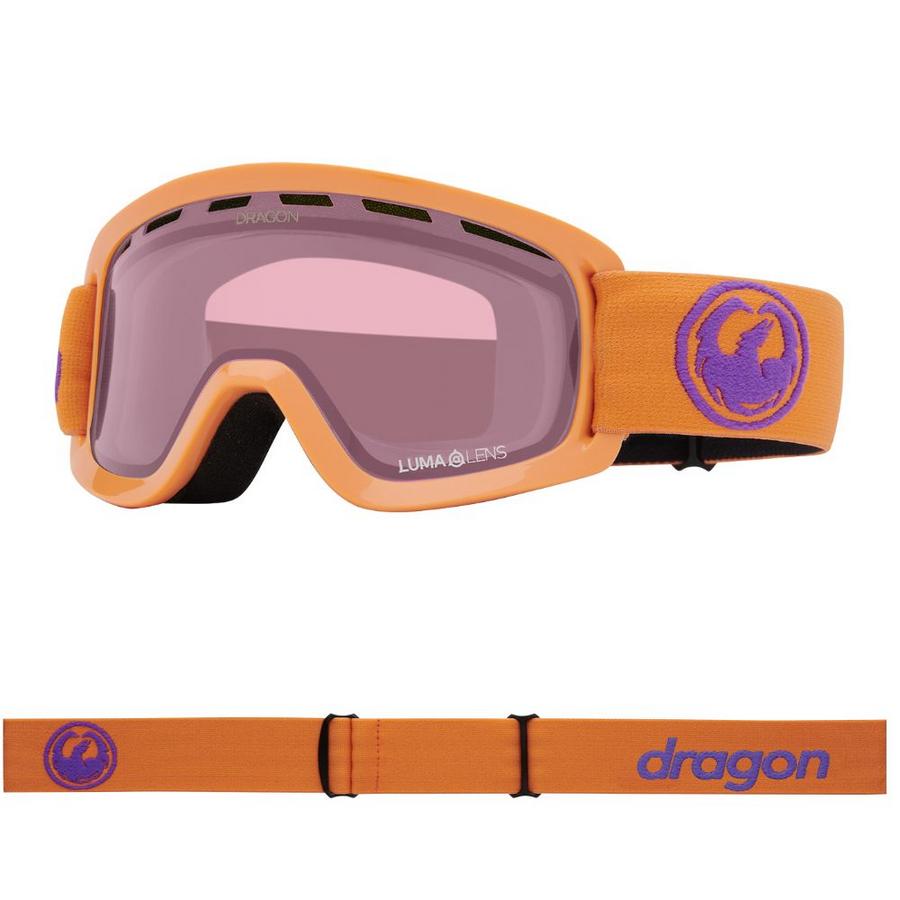
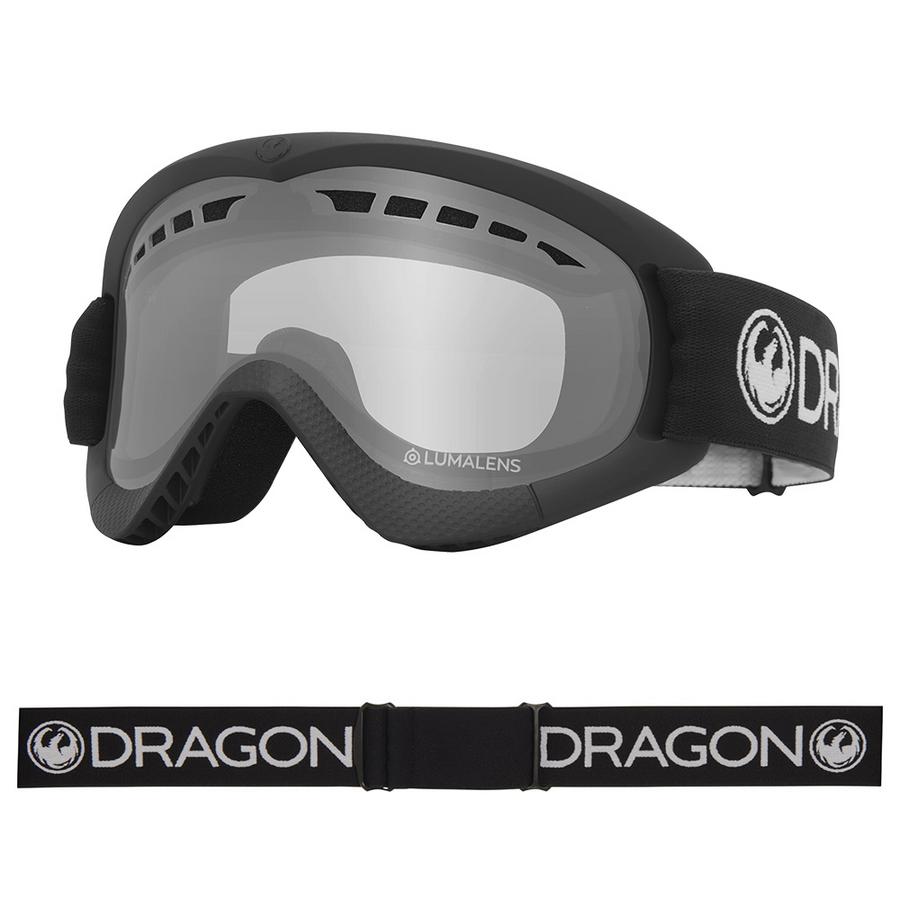
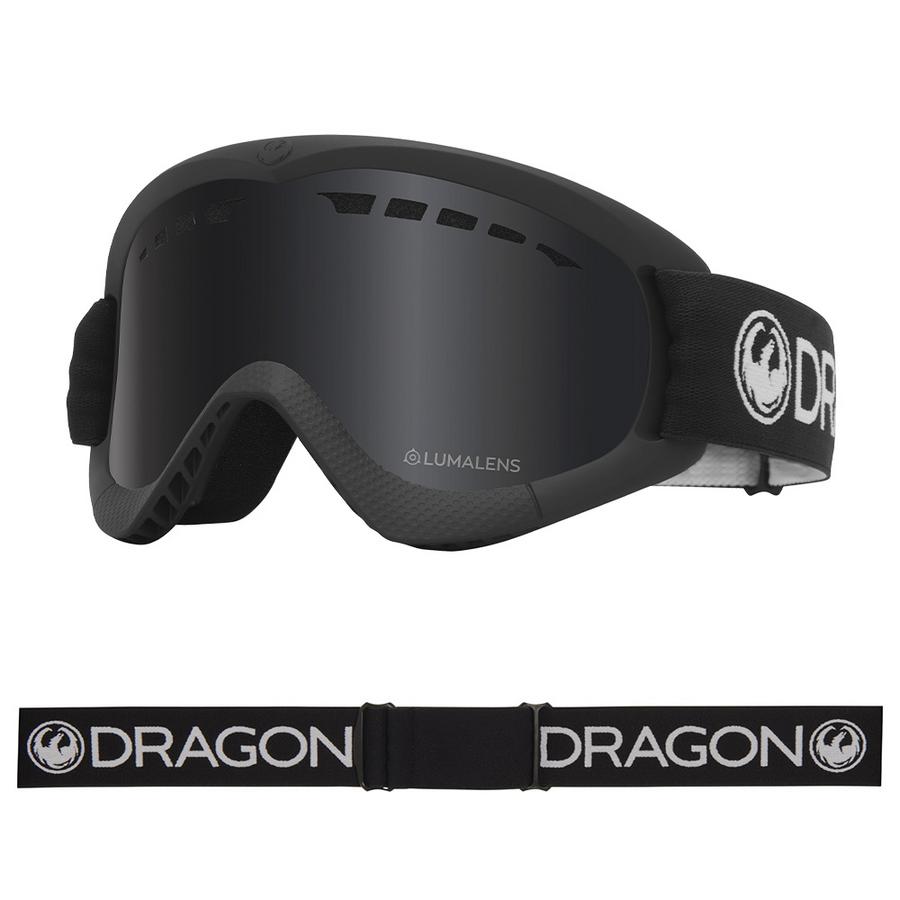
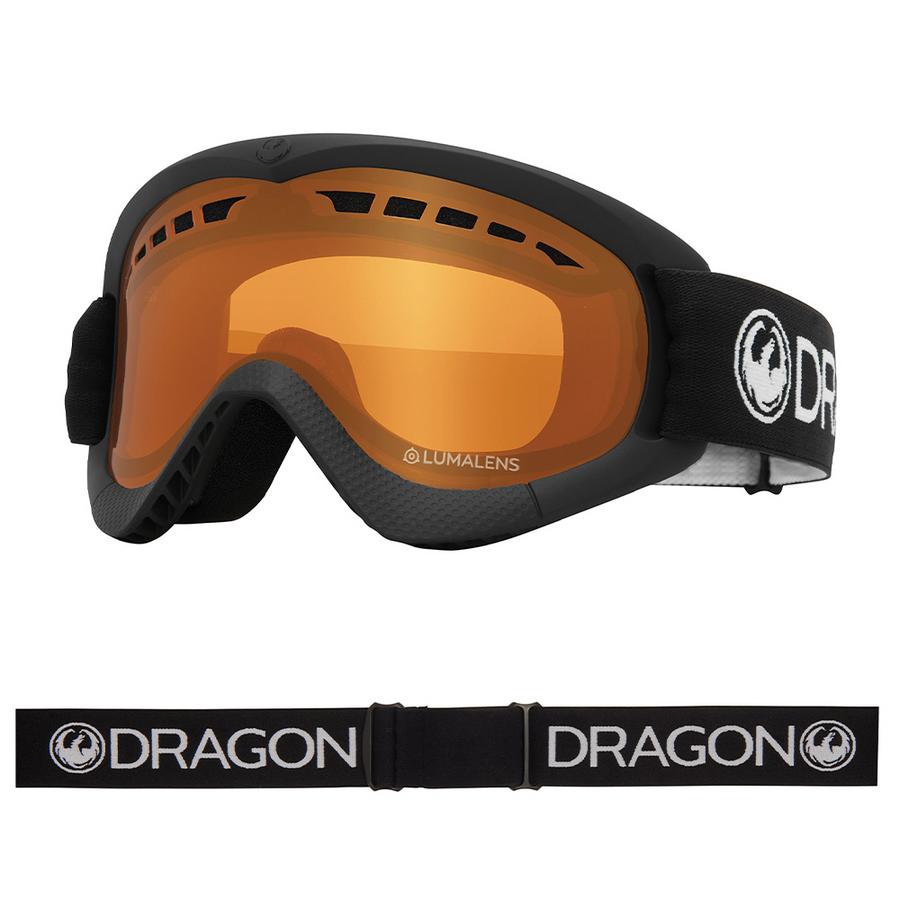
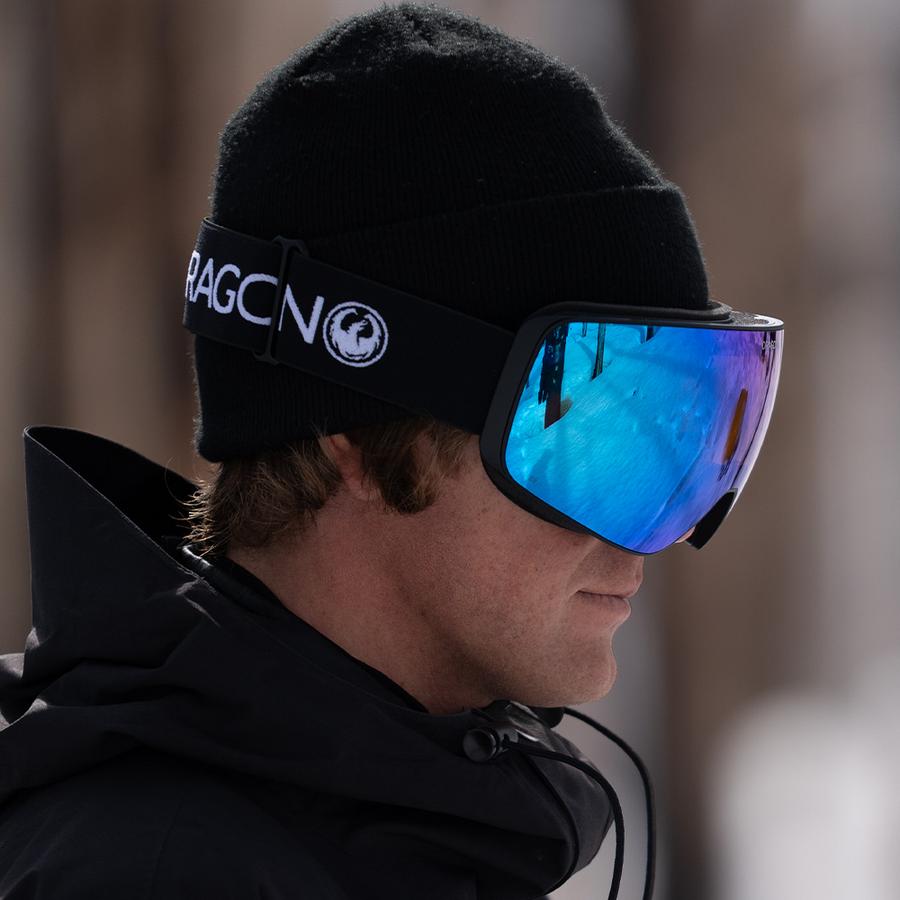
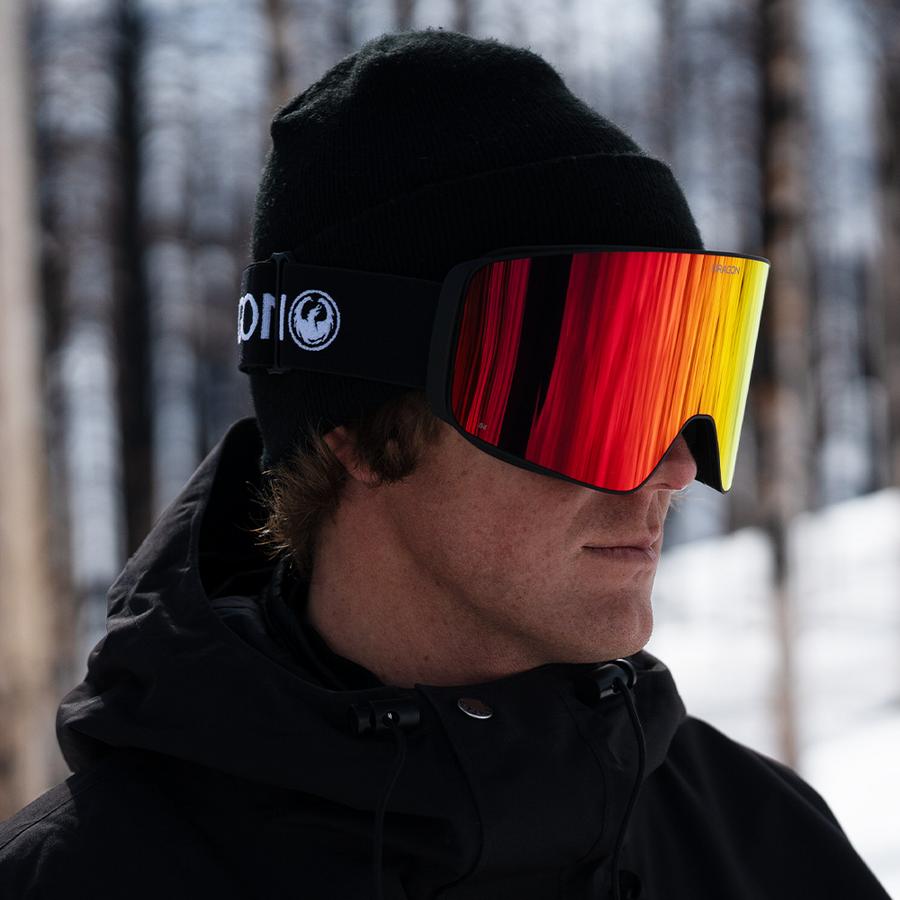
For more on choosing goggles, check out our Guide to Buying Ski & Snowboard Goggles
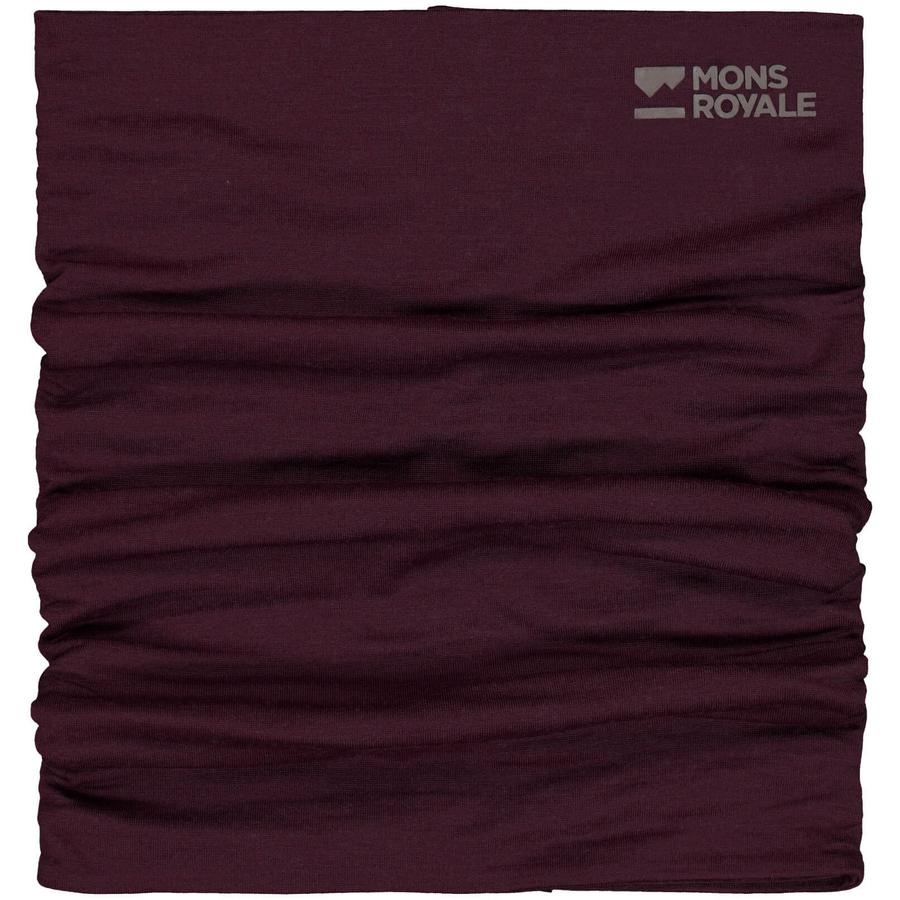
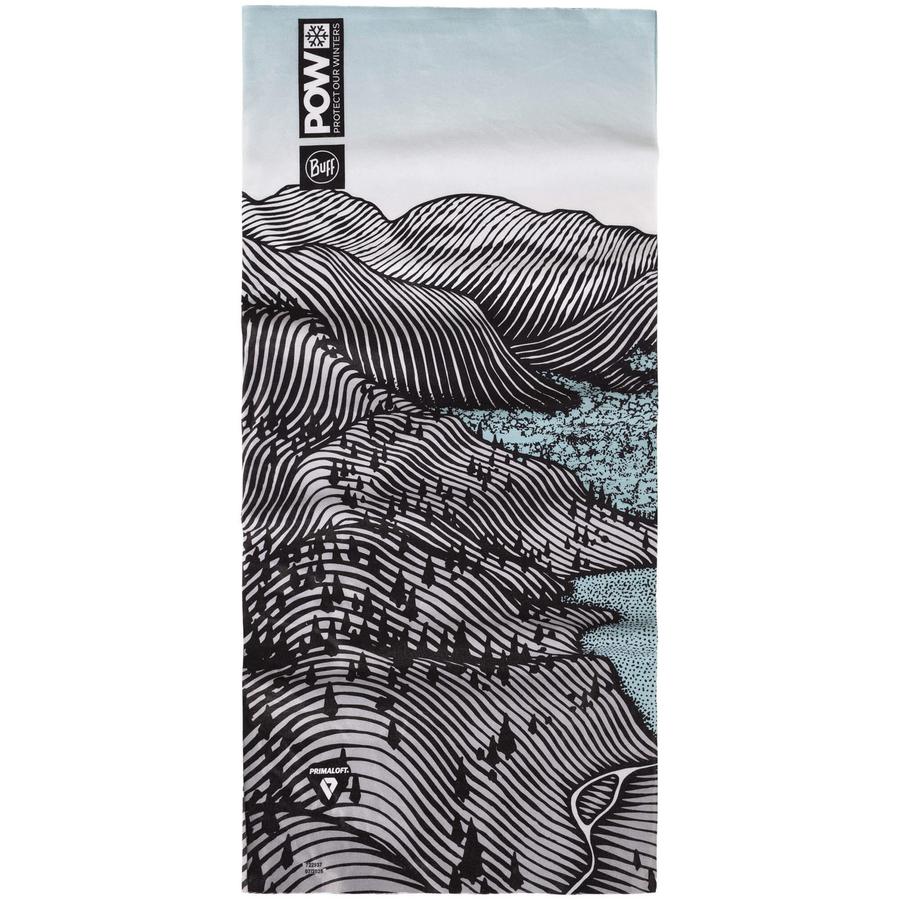
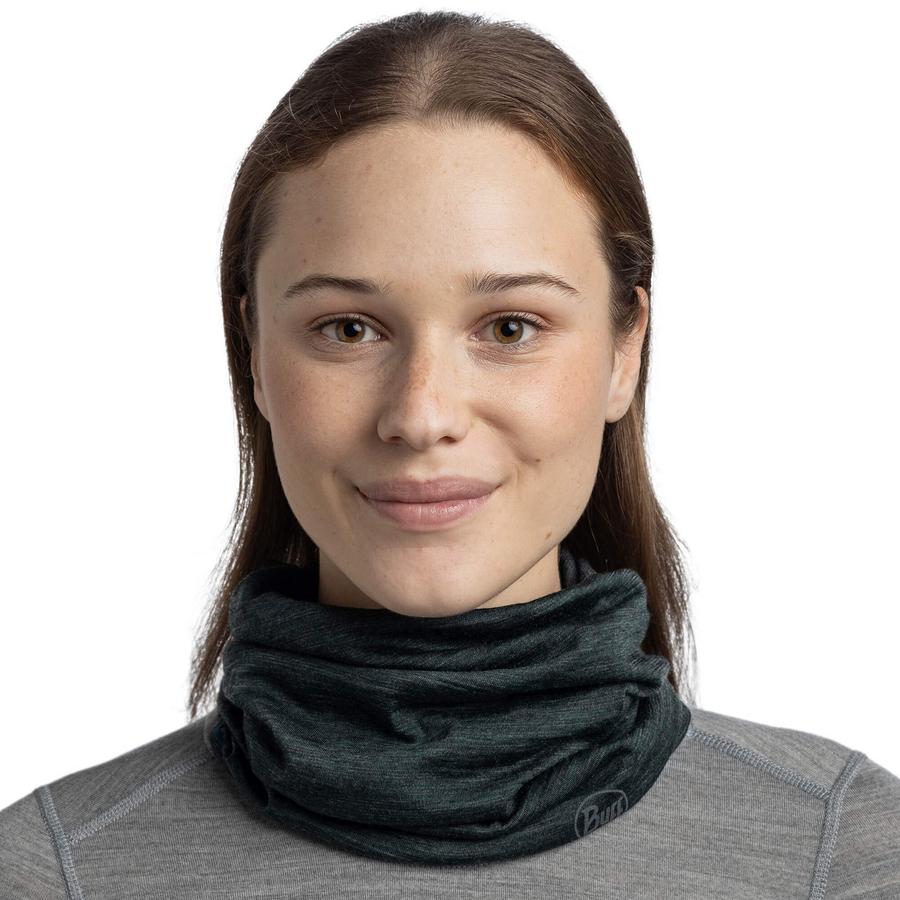
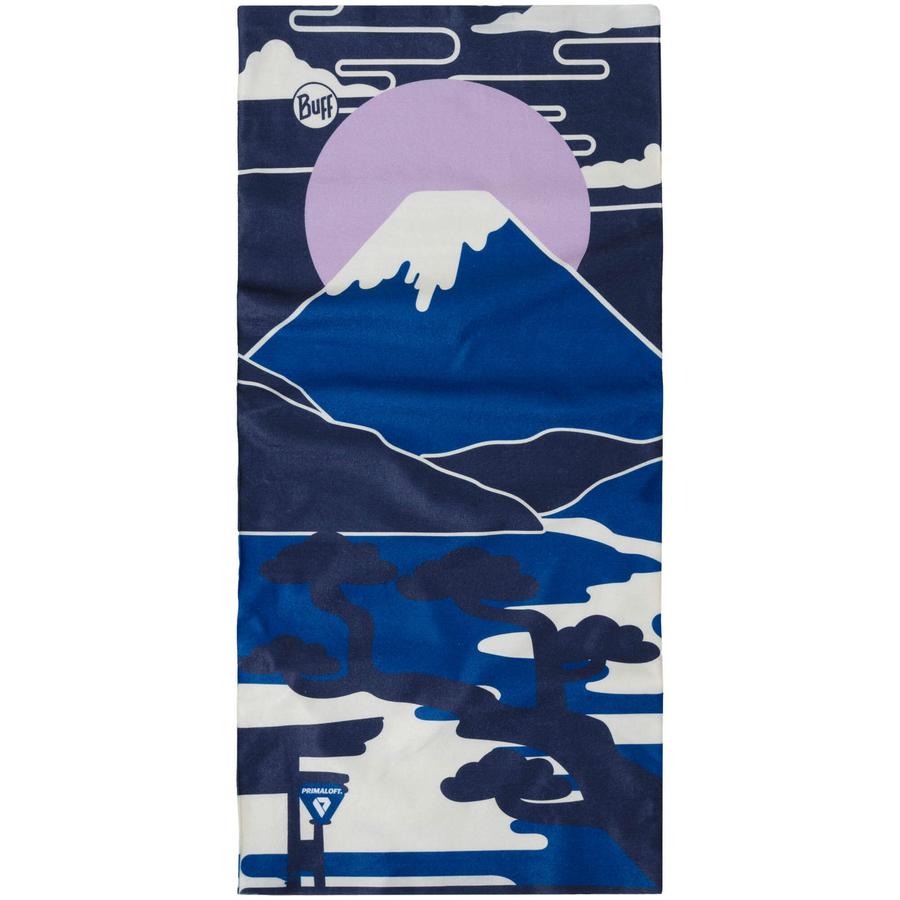
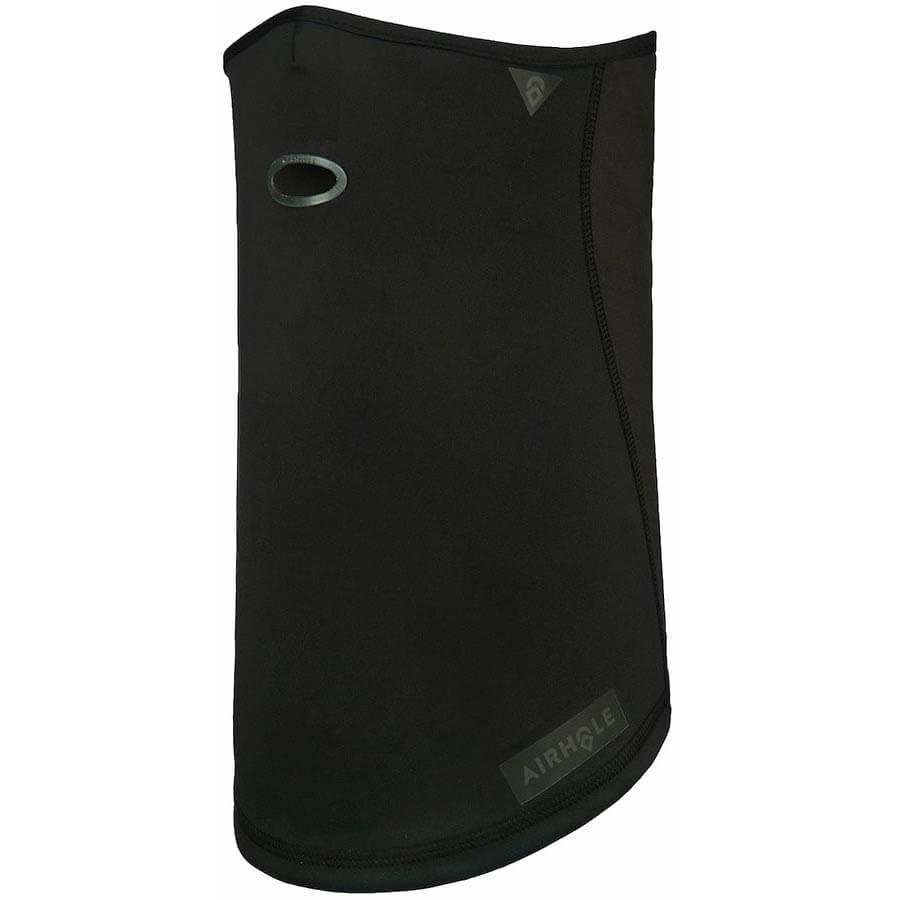
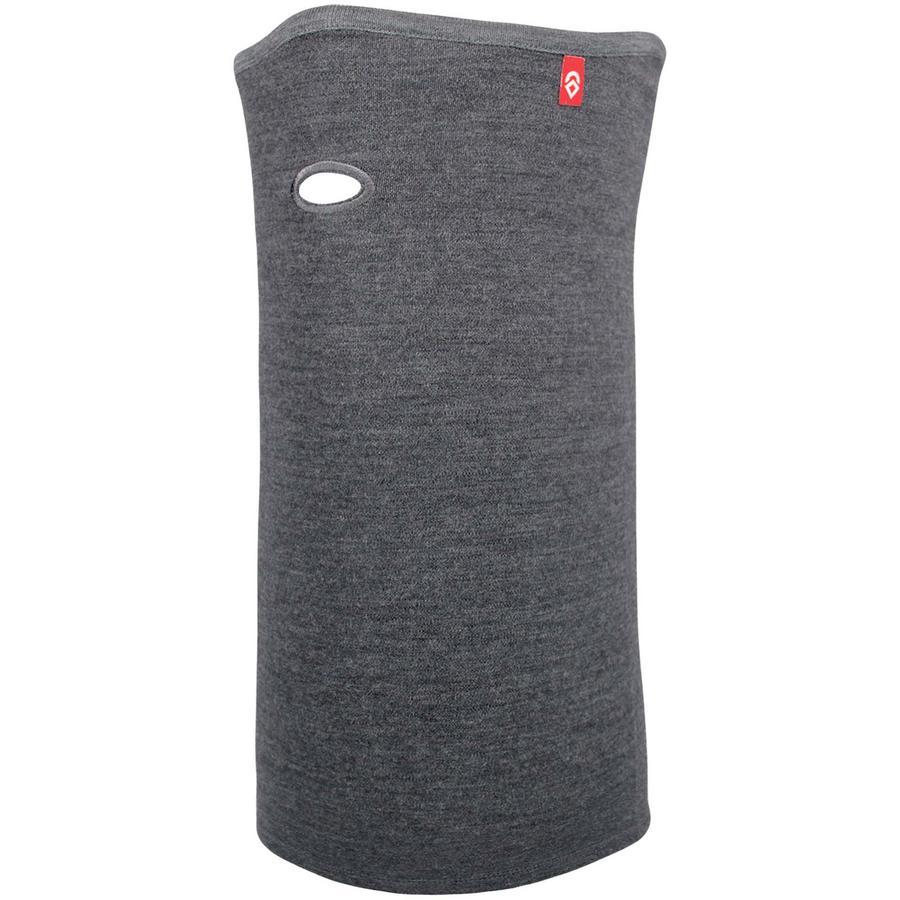
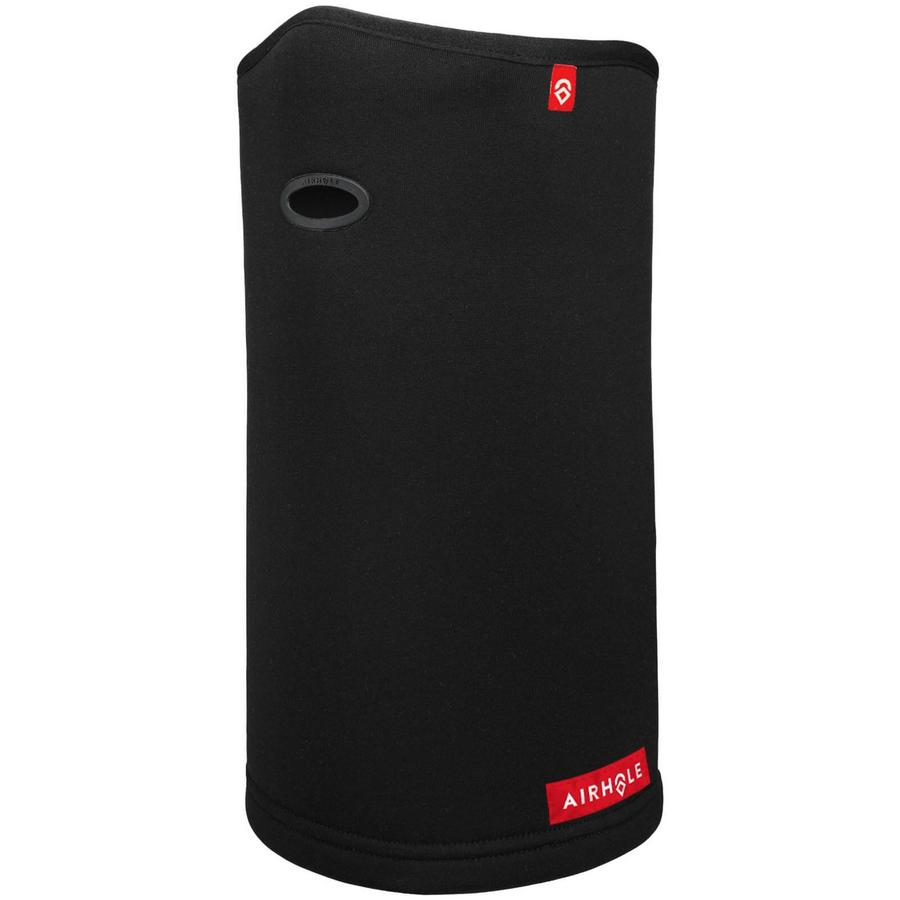
8. Head & Neckwear: Sun Protection & Breathability
Swap out heavy fleece neck gaiters for lightweight, moisture-wicking neck tubes.
These offer Sun Protection and help keep you cool while still shielding your face from wind or slushy snow spray.
It's also a good idea to keep a Cap or Boonie or Lightweight Beanie handy for swapping out at lunch or when you're off the slopes - don't forget how strong that sun is, especially when reflecting off the snow.



9. Suncream & Sunglasses: Protect Your Skin & Eyes
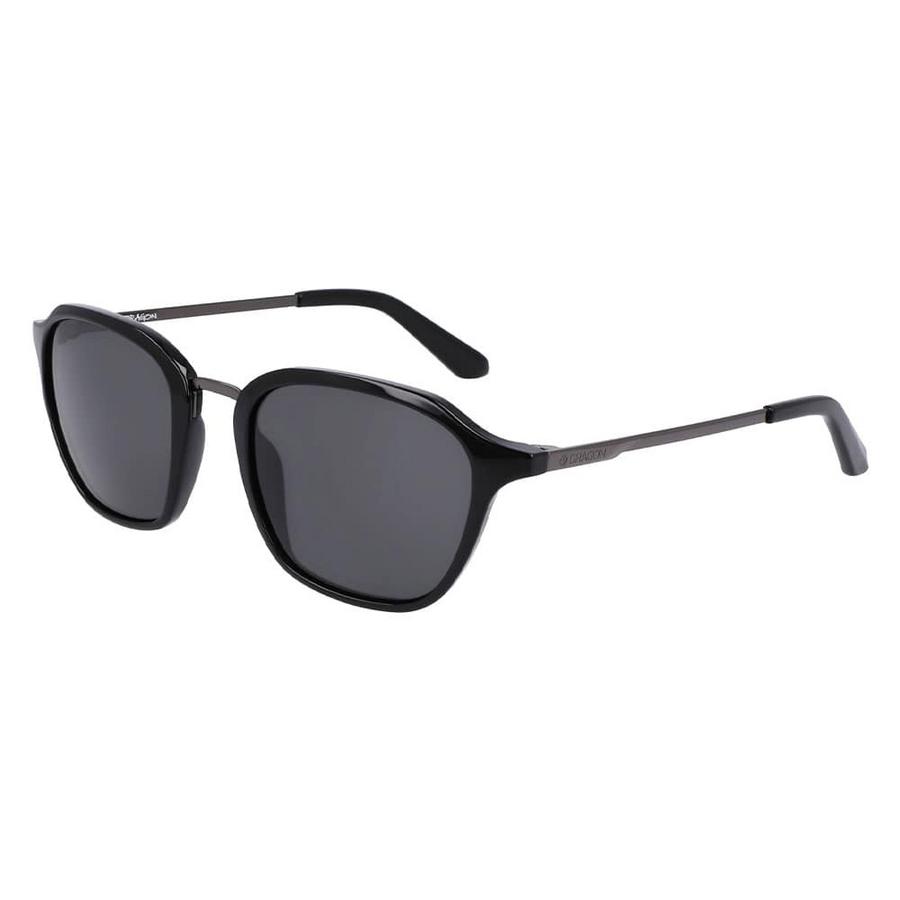
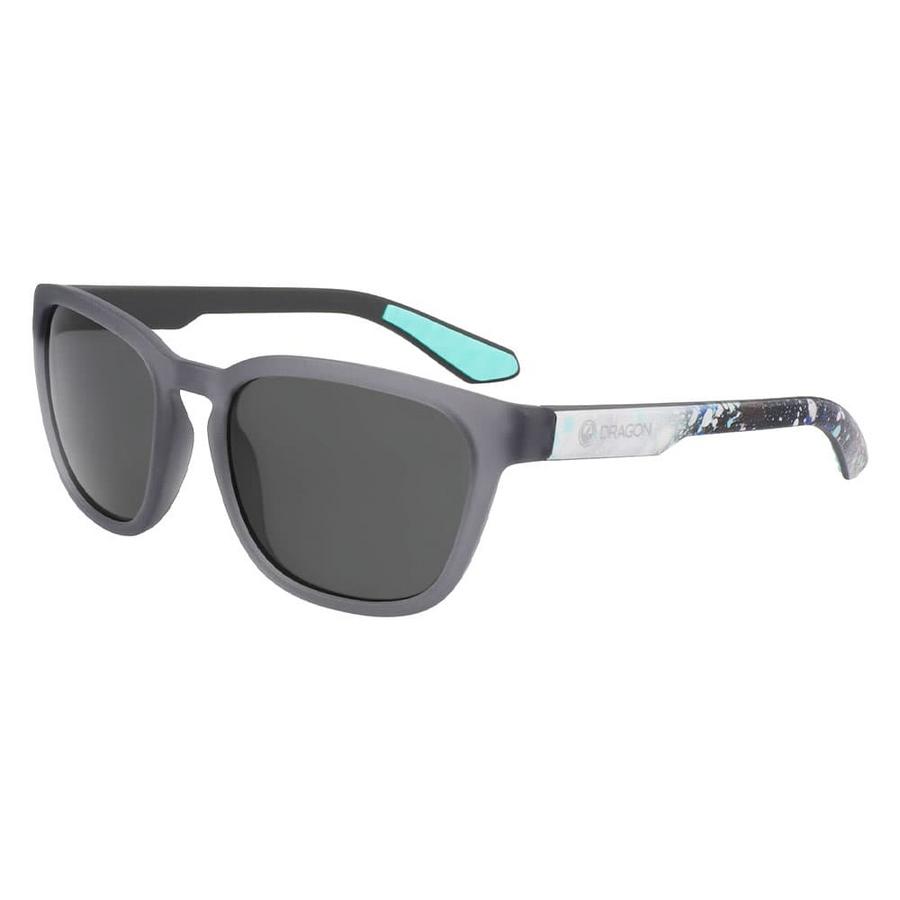
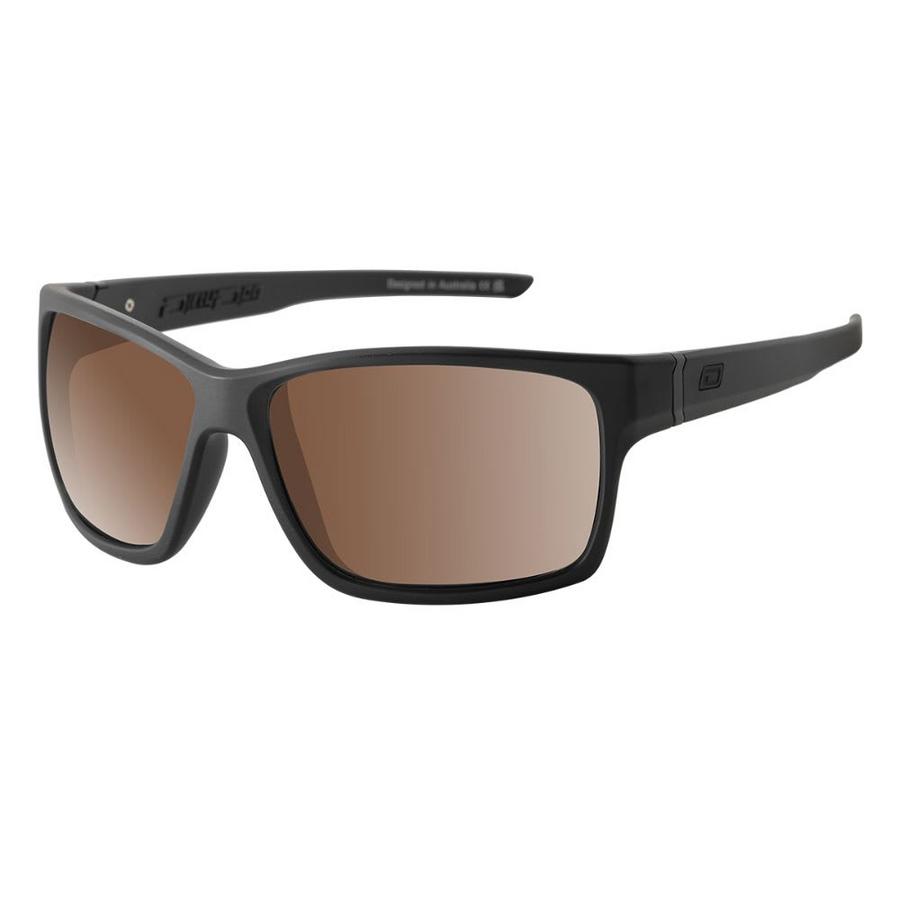
Spring skiing means stronger sun exposure, especially with sunlight reflecting off the snow. Wear high SPF sunscreen and bring a lip balm with SPF to prevent burns.
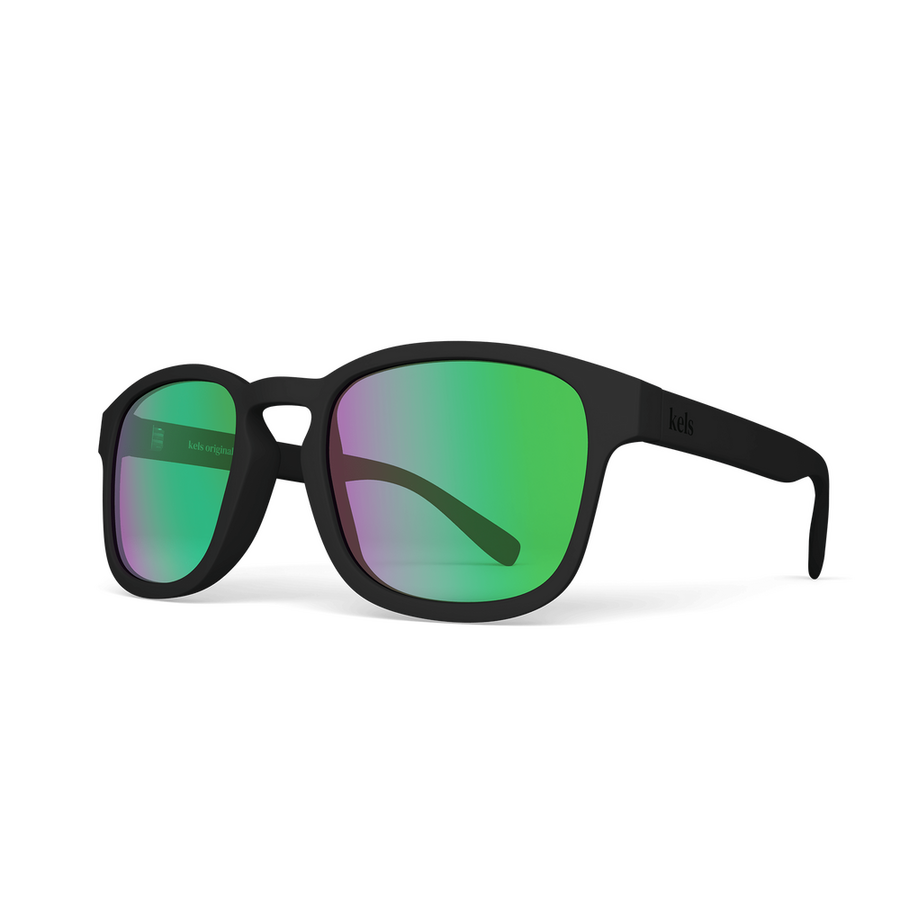
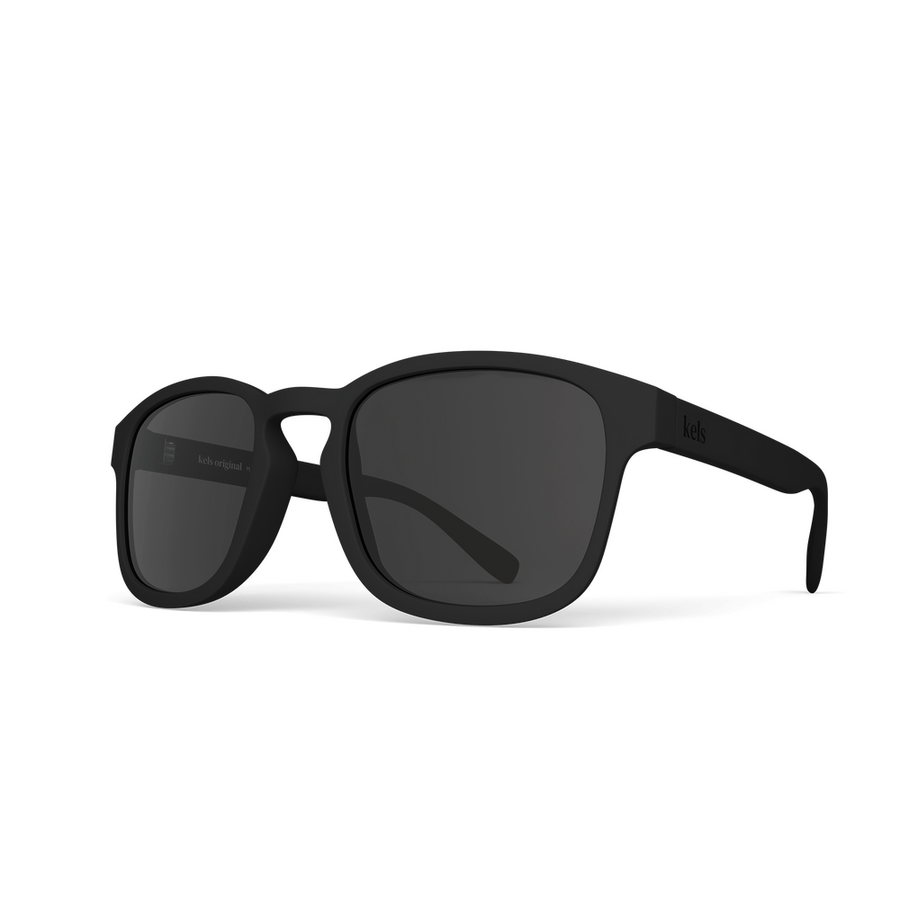
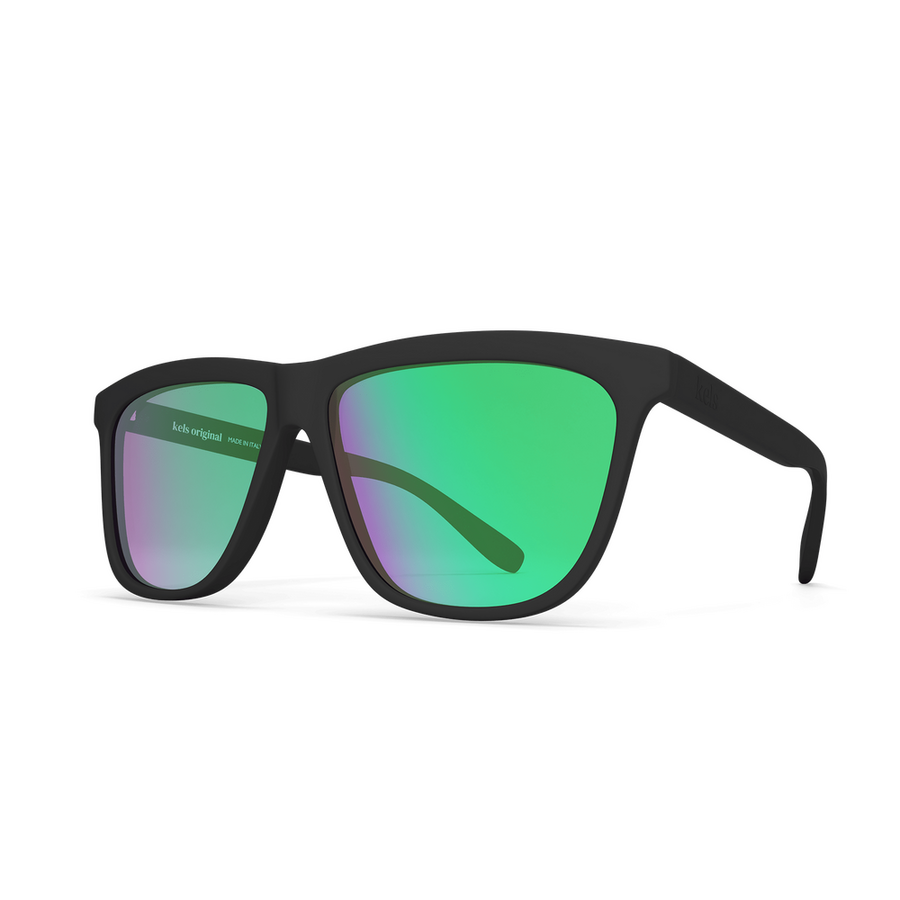
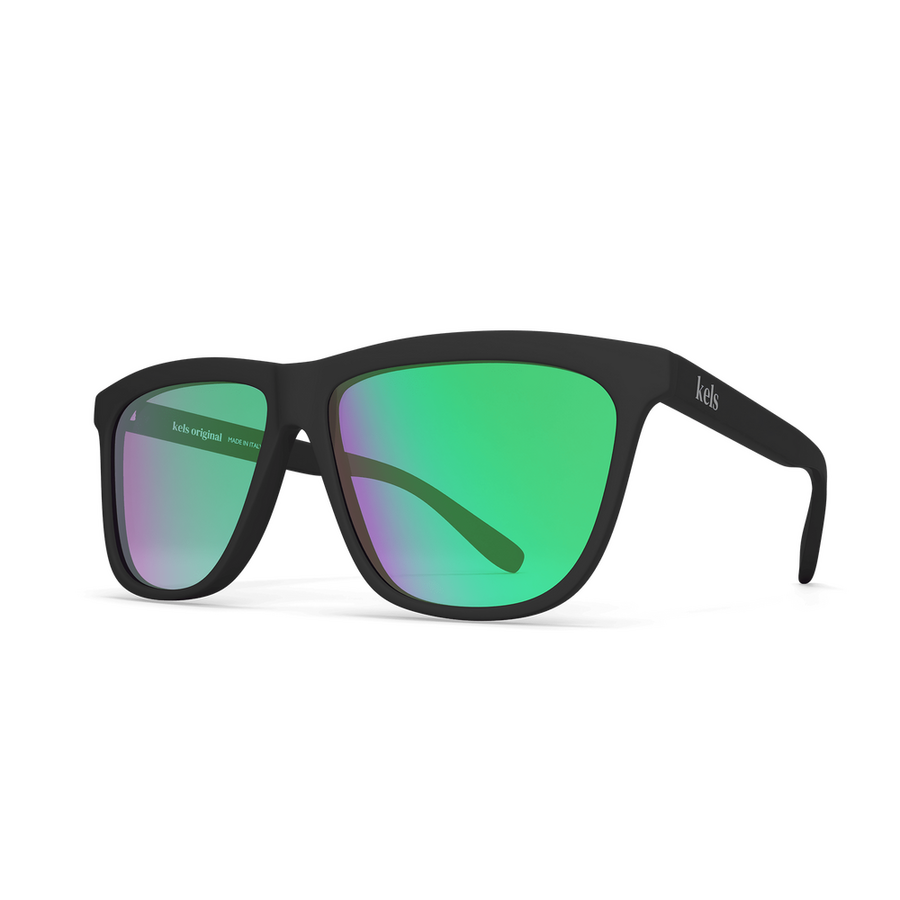
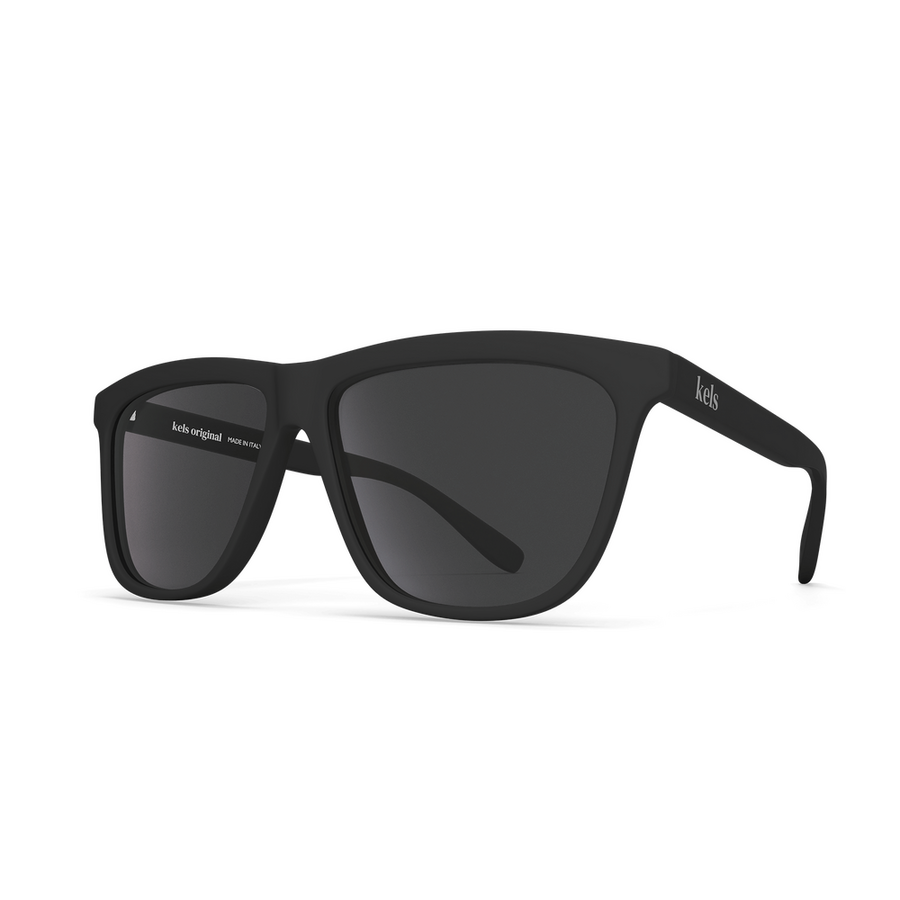
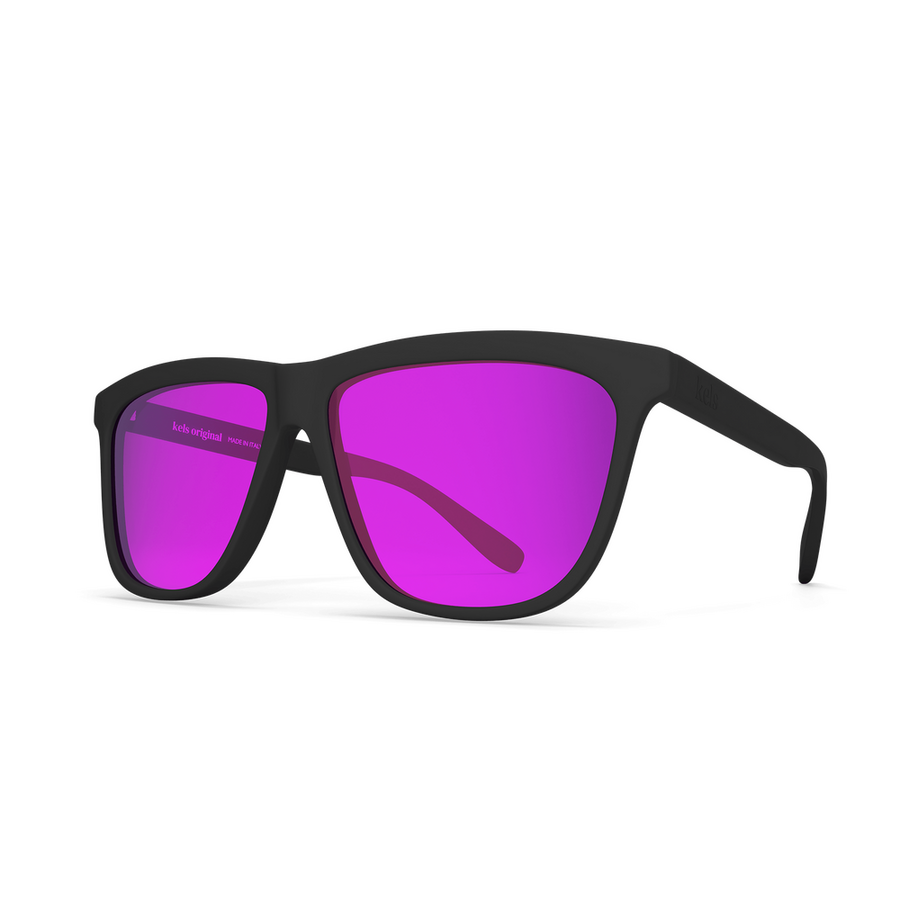
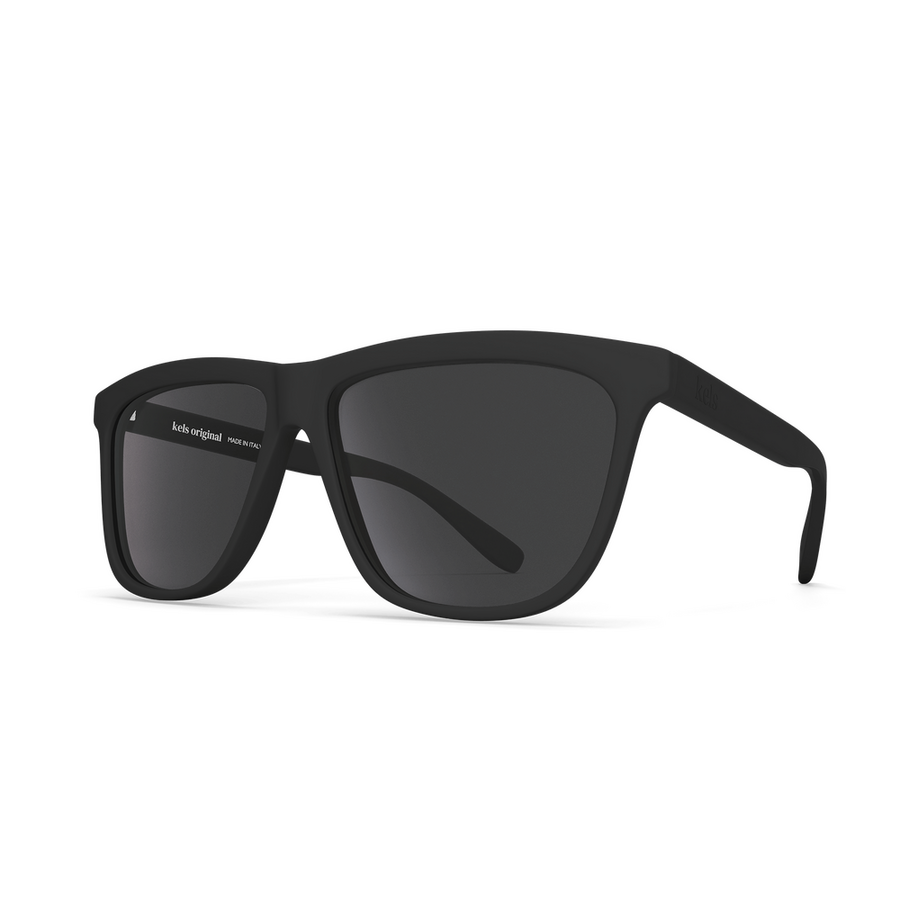
For après-ski or breaks, have a pair of polarised sunglasses to protect your eyes when you take off your goggles.


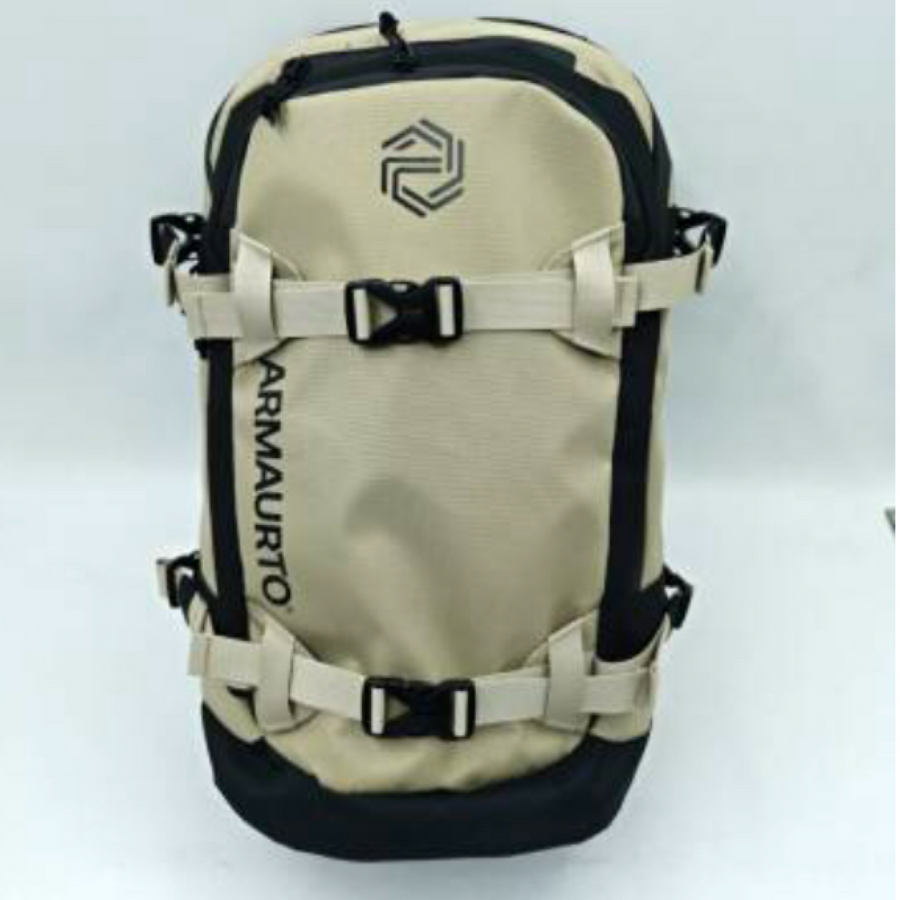
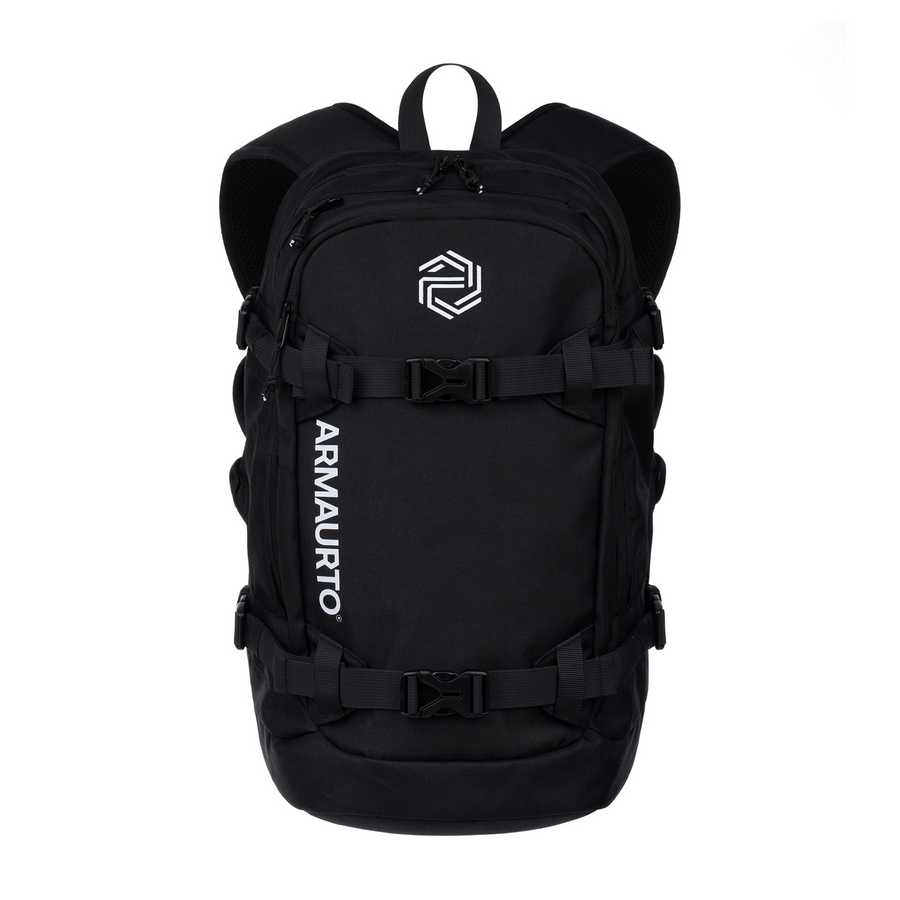
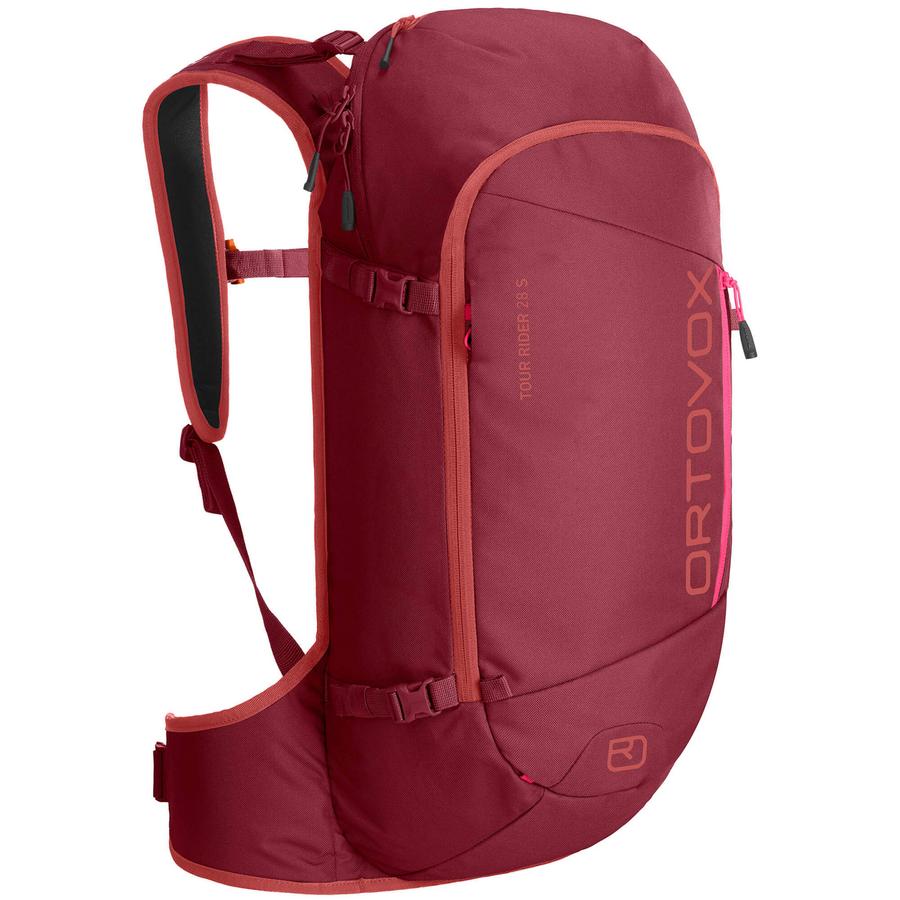
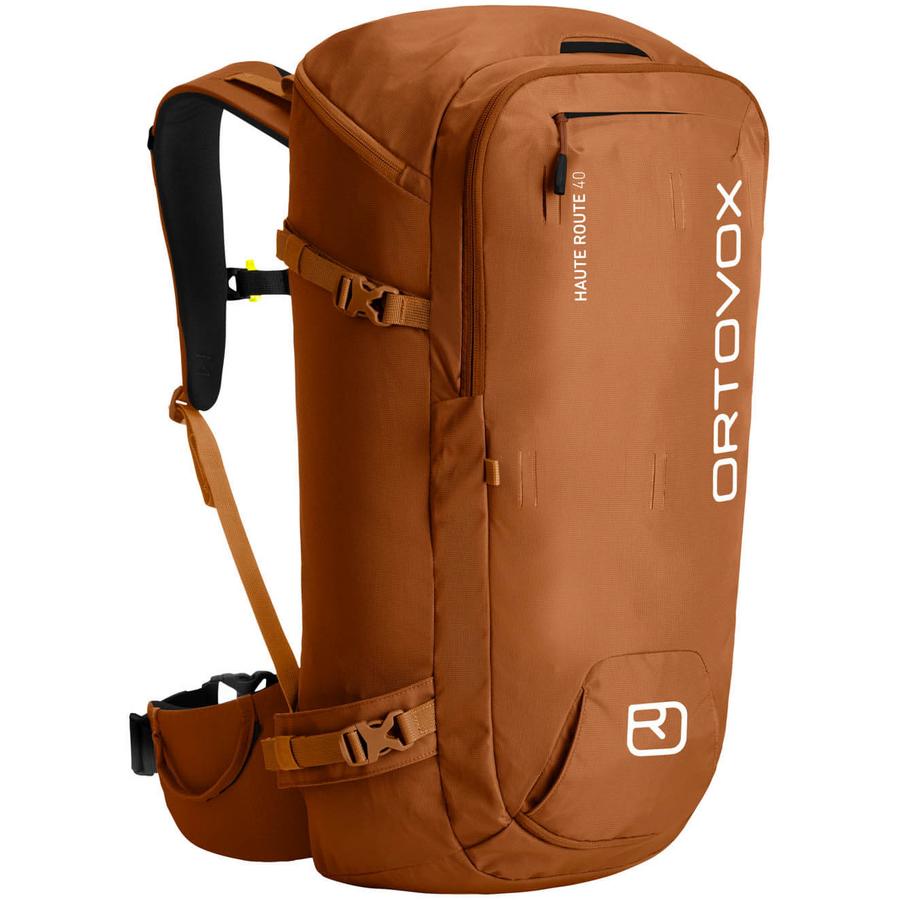
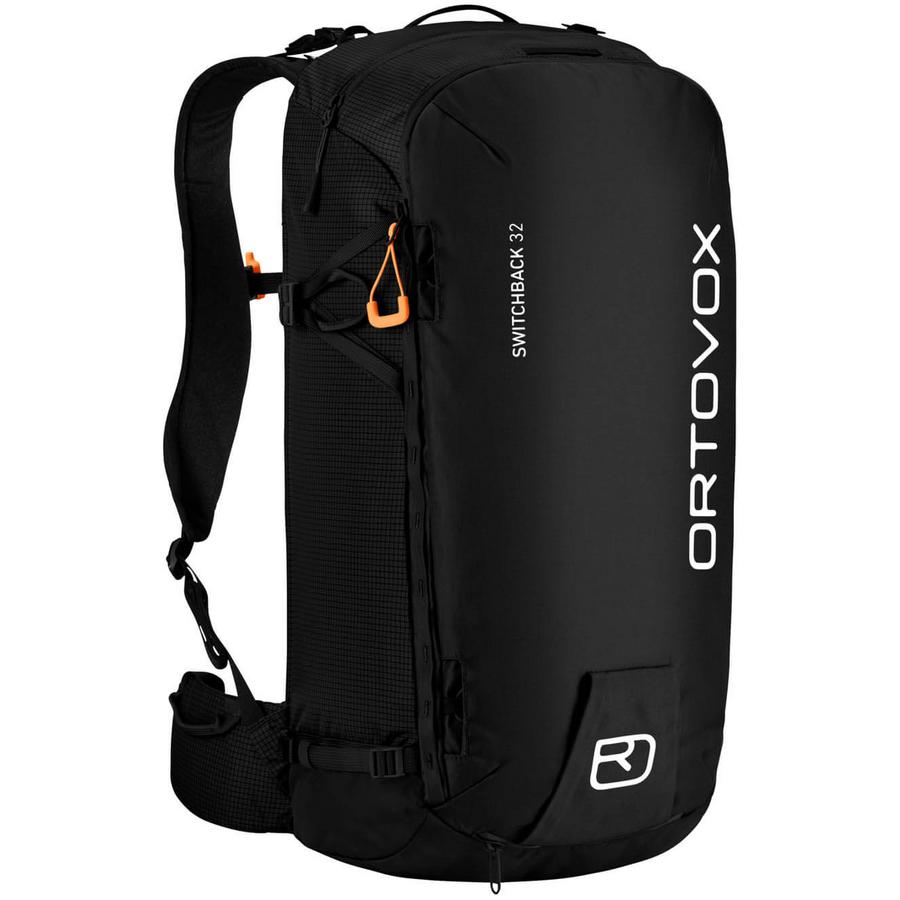
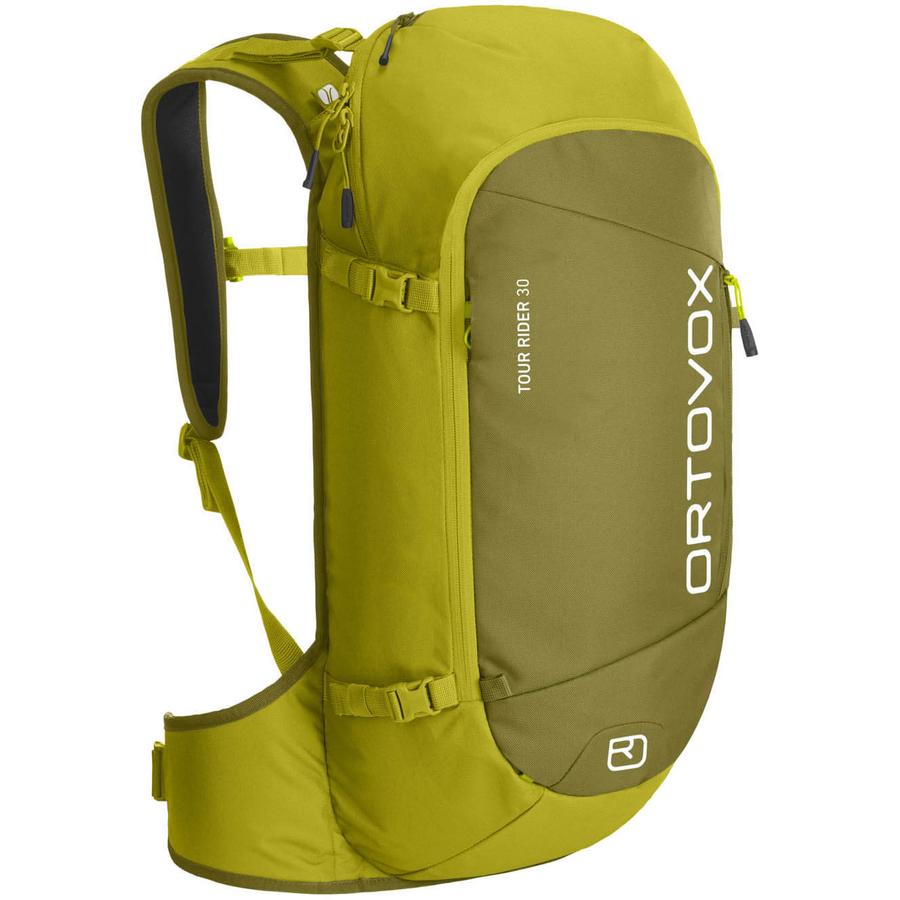
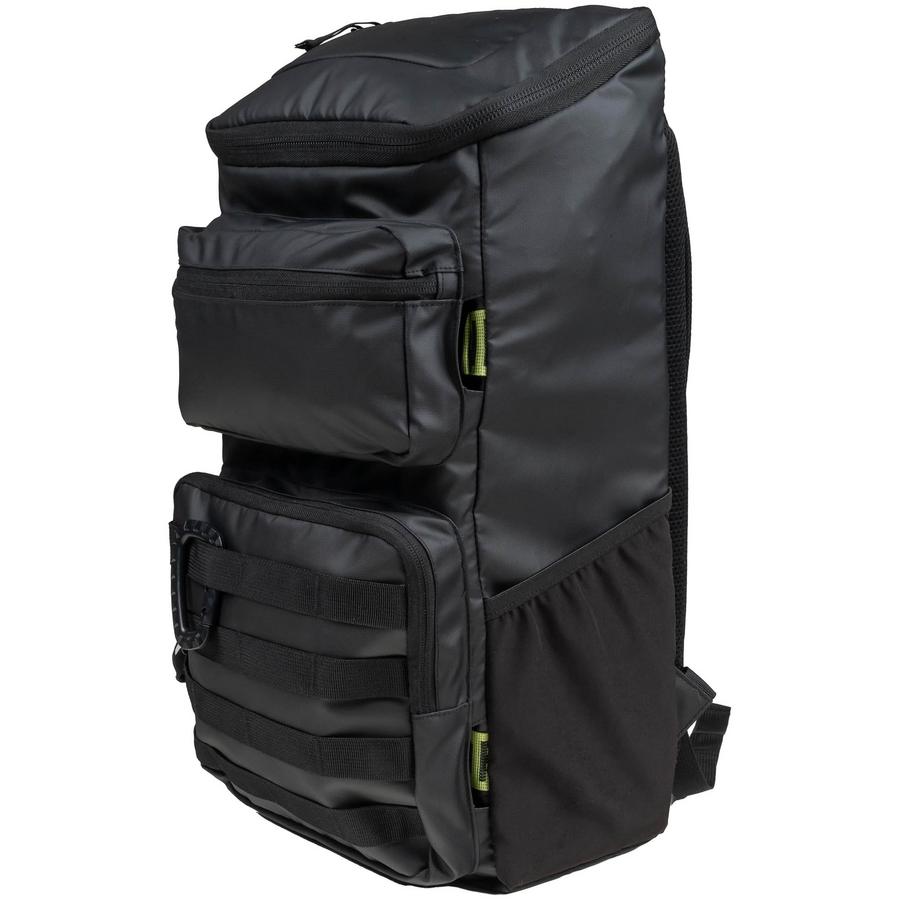
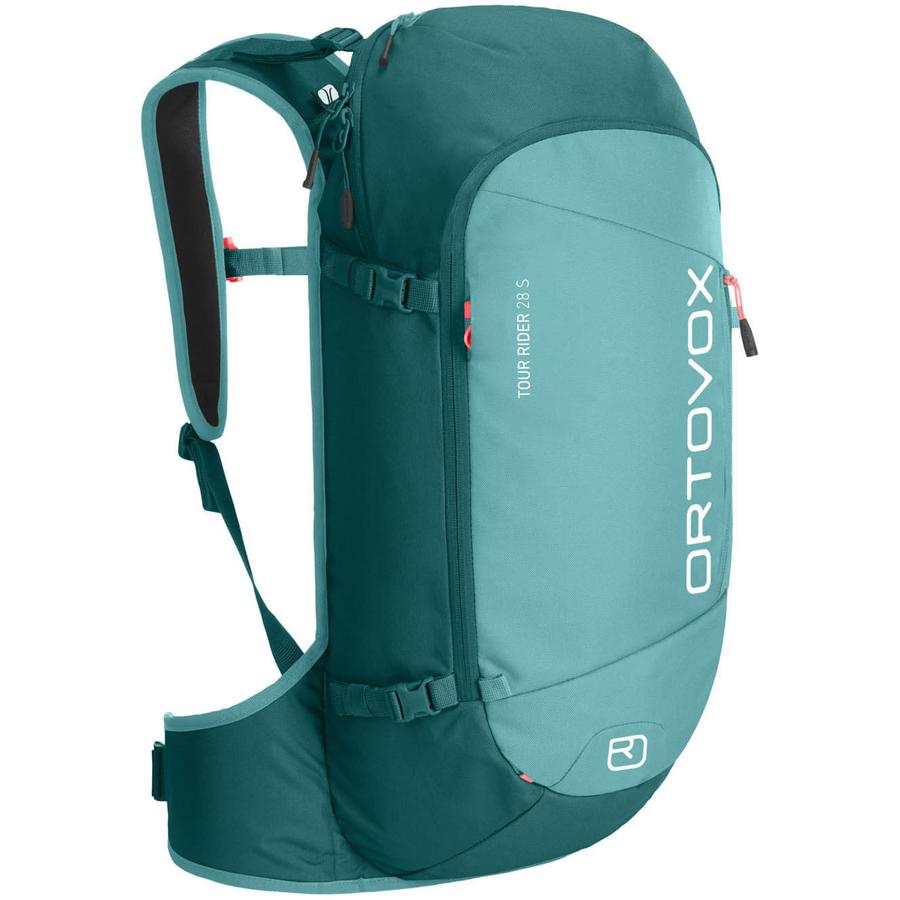
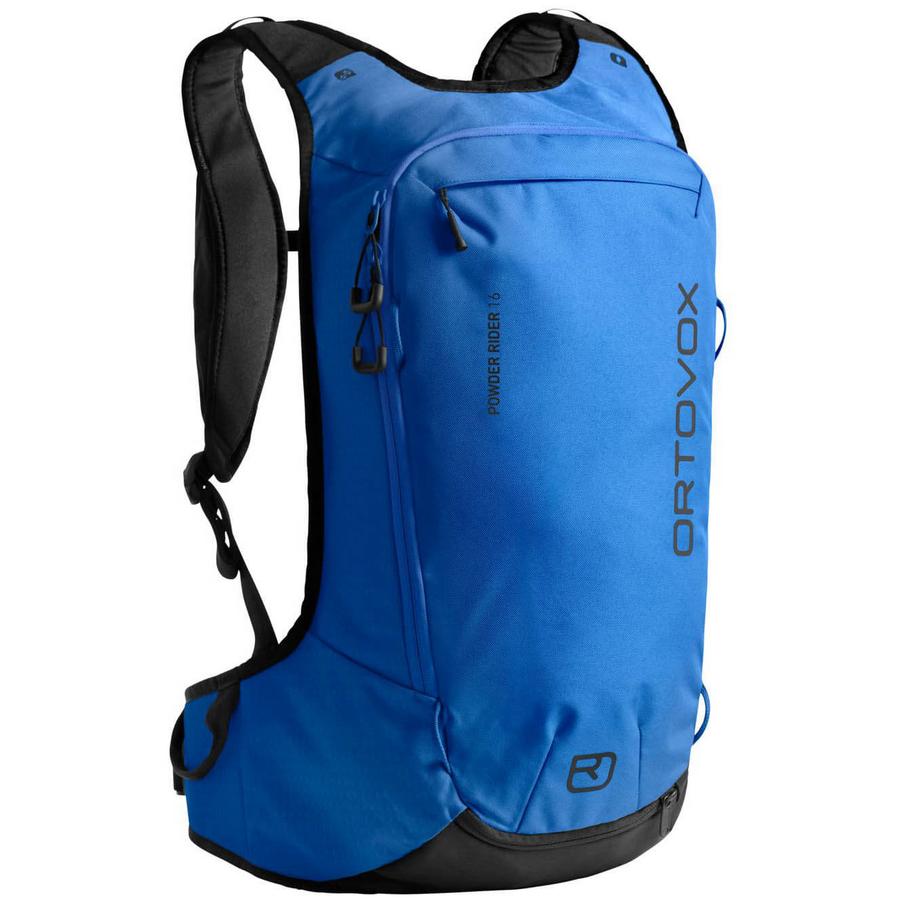
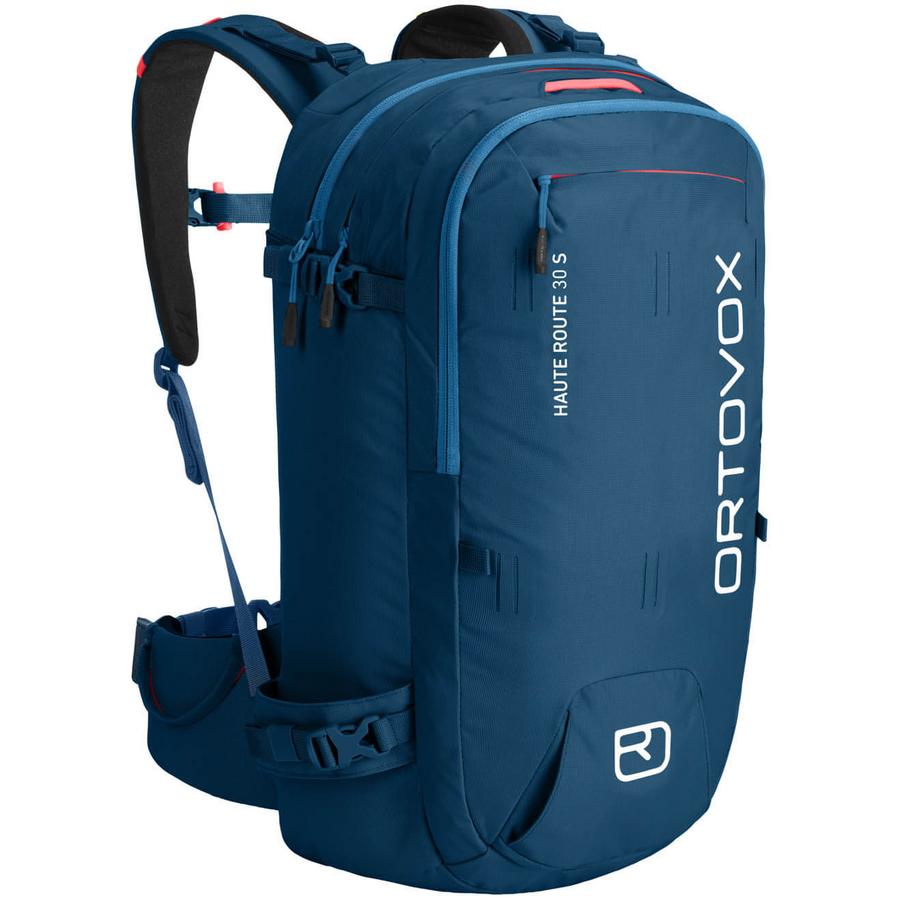
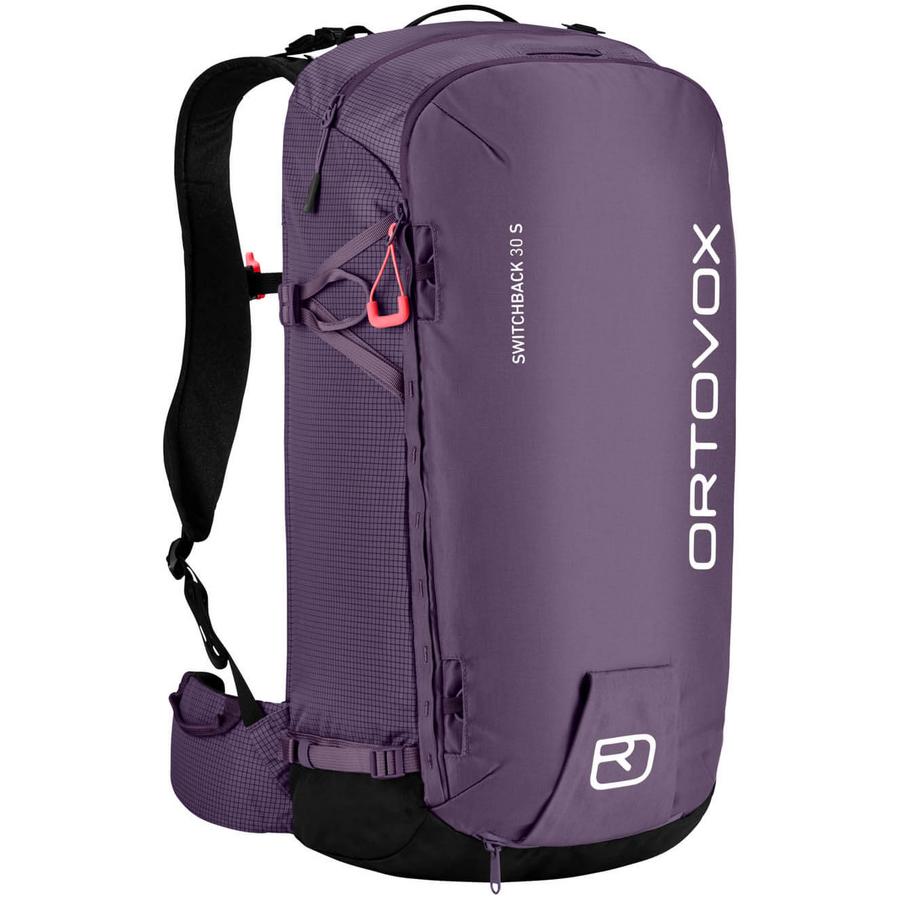
10. Backpacks: Be Ready for Anything
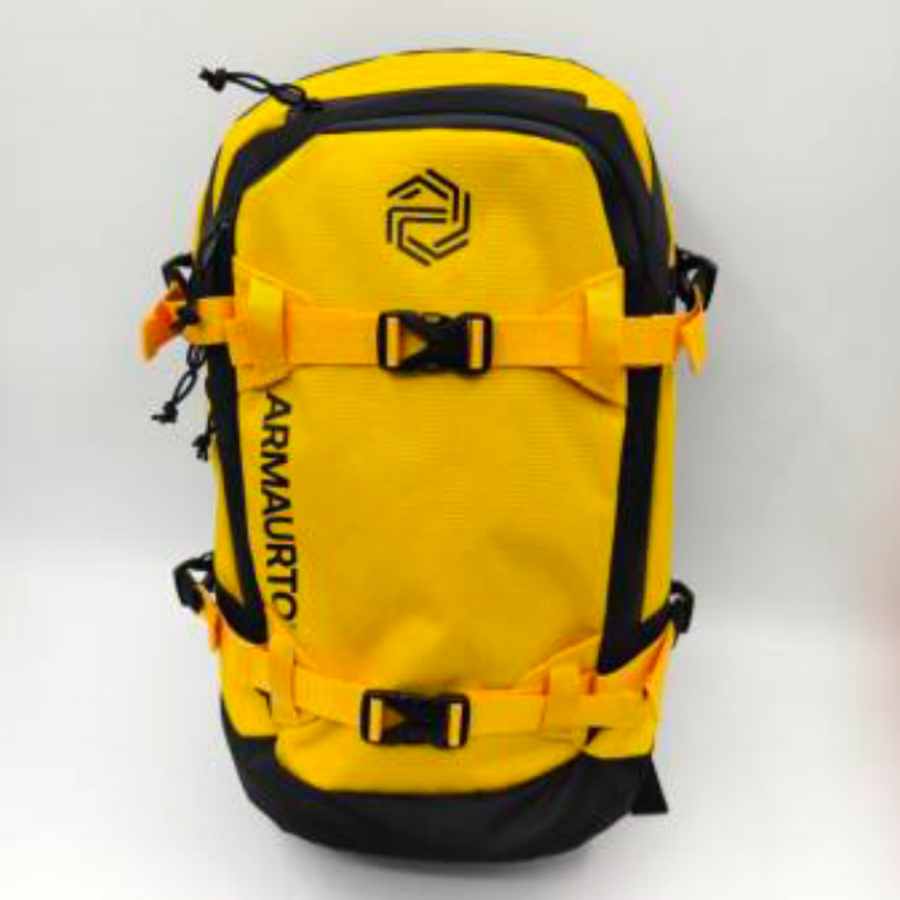
Spring weather can be unpredictable—chilly in the morning, warm by midday, and slushy in the afternoon.
Having a lightweight backpack to stash extra layers, sunscreen, and snacks ensures you’re prepared for any condition the day throws at you.
Final Tips for Spring Riding
Start early – conditions are best in the morning before the snow turns to slush.
Stay hydrated – warmer temps mean you’ll sweat more, so drink plenty of water. Shop Hydration
Wax your skis or board – spring snow can be sticky, so a warm-weather wax helps keep you gliding smoothly. Shop Ski & Snowboard Wax
Enjoy the après! – Spring skiing is all about fun, sun, and good vibes, from mountain parties to slope-side BBQs, so soak it all in (but please stay safe while you're at it!)!
With the right gear, spring skiing and snowboarding can be some of the best days of the season. Dress smart, stay cool, and make the most of those sunny slushy laps!

For more on choosing outer layers, check out our Guide to Layering for Skiing & Snowboarding, Guide to Buying Ski & Snowboard Jackets or our Guide to Buying Ski & Snowboard Pants. We also have handy Ski & Snowboard Kit Lists
Spring Skiing & Snowboarding FAQs
Do I need a waterproof jacket for spring skiing?
Yes. Spring snow is often wet and slushy, so waterproofing matters more than insulation. A lightweight shell with vents is ideal.
What goggle lens is best for spring?
Photochromic or interchangeable lenses, as spring light can switch from bright sun to flat cloud in minutes.
What wax should I use in spring?
A warm-temperature wax helps your skis or board glide on sticky, wet spring snow.
Do I need suncream for spring skiing?
Yes. Snow reflects UV, and spring sun is strong, so use high-SPF suncream and lip balm and reapply through the day.
Complete your set-up
More advice: What to Wear Skiing · Kit Lists · Snowboard Care Guide
Still not sure what you need?
Our team is here to help. Contact Our Experts or browse our Ski Buying Guides and Snowboard Buying Guides.