Balaclava vs Face Mask vs Neck Tube: Which Is Best for Skiing & Snowboarding?
Updated November 2026 · By the Absolute-Snow team · 4 min read
Quick answer: should I wear a balaclava, face mask or neck tube?
A balaclava gives the most warmth and coverage on cold, windy days and fits under a helmet. A face mask protects your lower face and works well with goggles. A neck tube is the most versatile for milder or spring days, and a hood adds warmth with more freedom around the face. Many riders carry two and swap with the weather.
| Option | Coverage | Warmth | Best for |
|---|---|---|---|
| Balaclava | Head, neck and face | Warmest | Cold, windy days and chairlifts |
| Hood | Head and neck | Very warm | Warmth with an open face |
| Face mask | Lower face | Good | Goggle-friendly protection |
| Neck tube / snood | Neck, pulls up over face | Light | Mild and spring days |
When it comes to staying warm, comfortable and protected on the mountain, choosing the right face and headwear makes a huge difference. Options like Balaclavas and Hoods, Face Masks and Neck Tubes or Snoods all serve slightly different purposes, and understanding the differences helps you pick the best option for skiing or snowboarding in any conditions. The right choice can improve comfort, protect exposed skin from wind and cold, and help regulate temperature throughout the day, especially when layered with other Ski and Snowboard Headwear designed for life on the mountain.
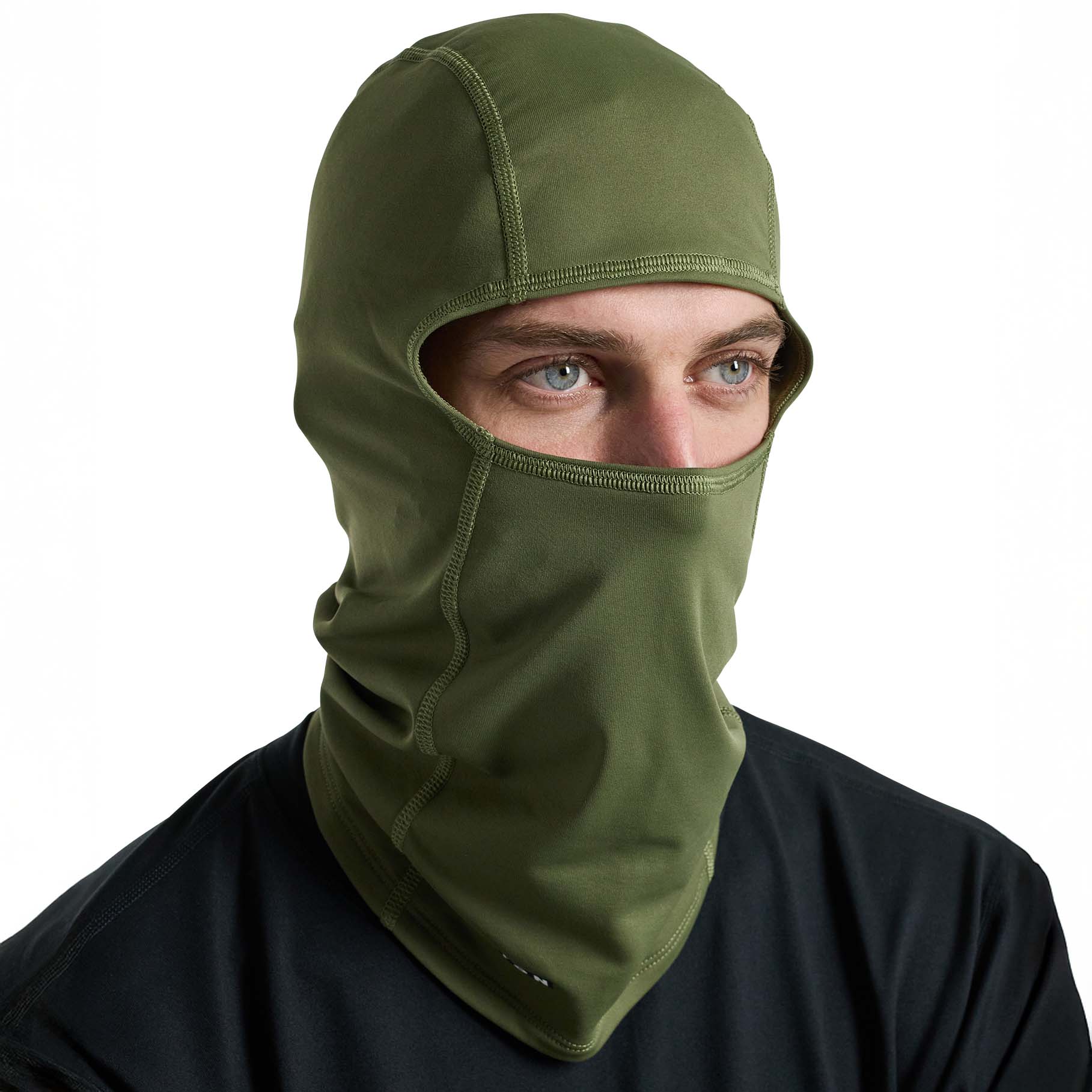
Balaclava
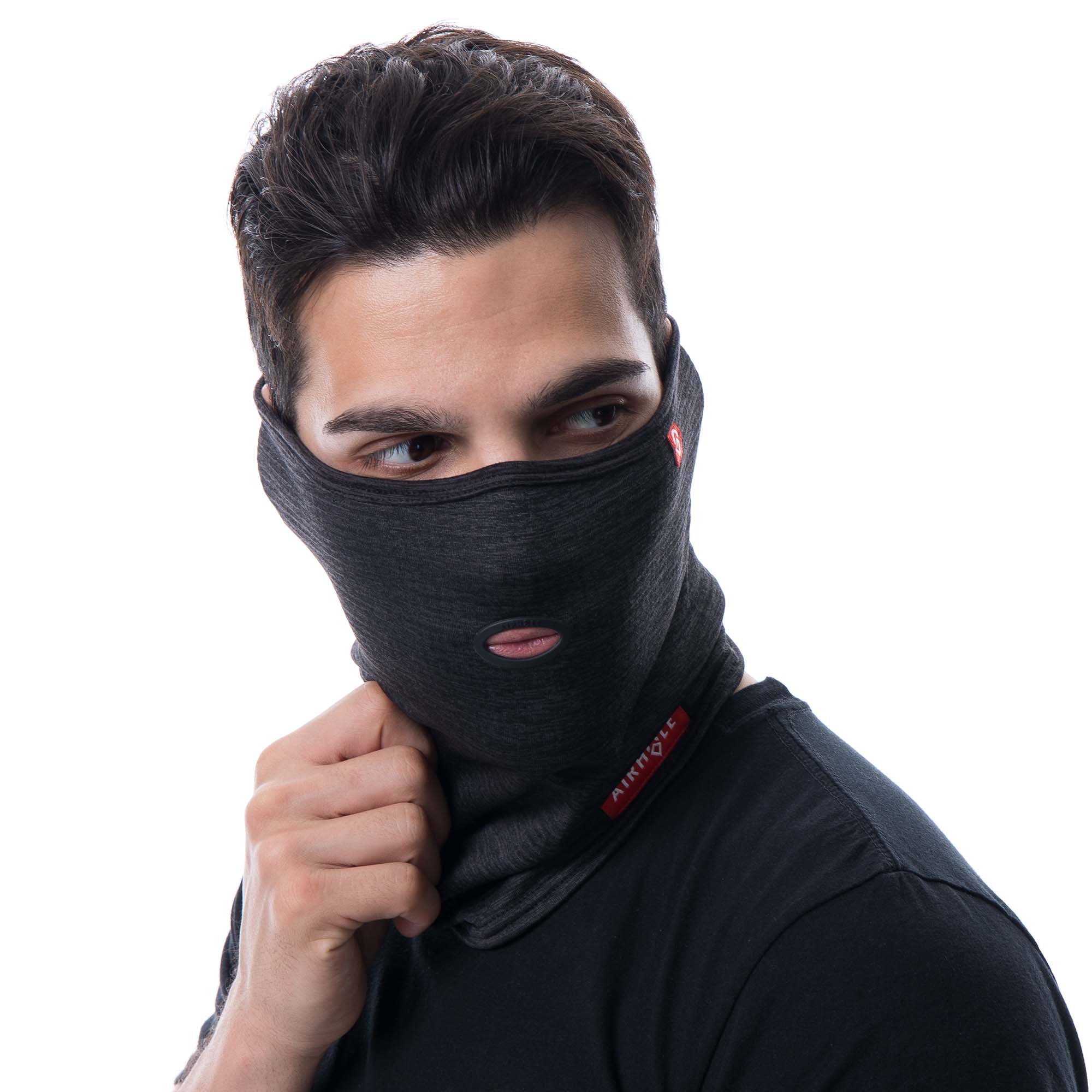
Face mask
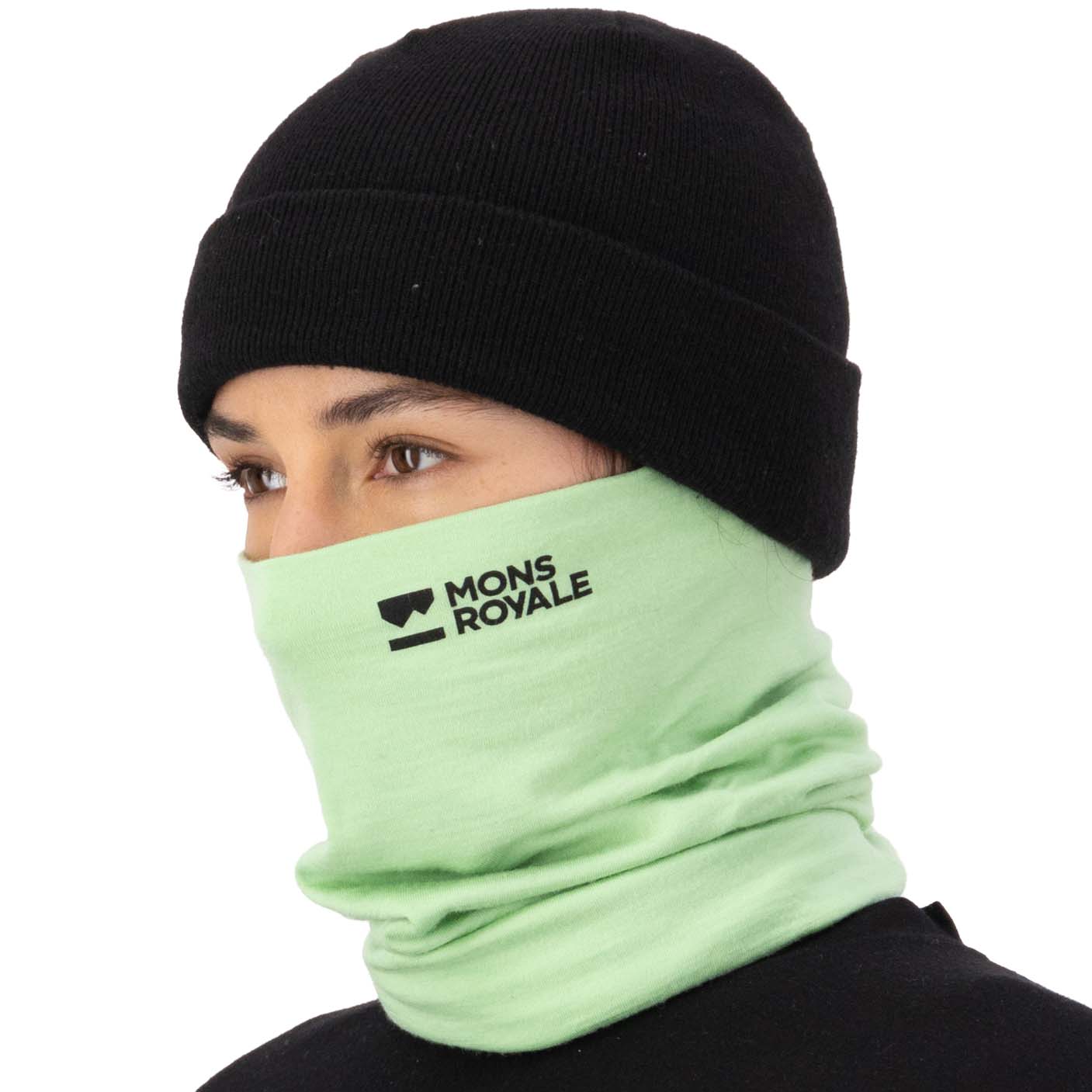
Chube/Snood
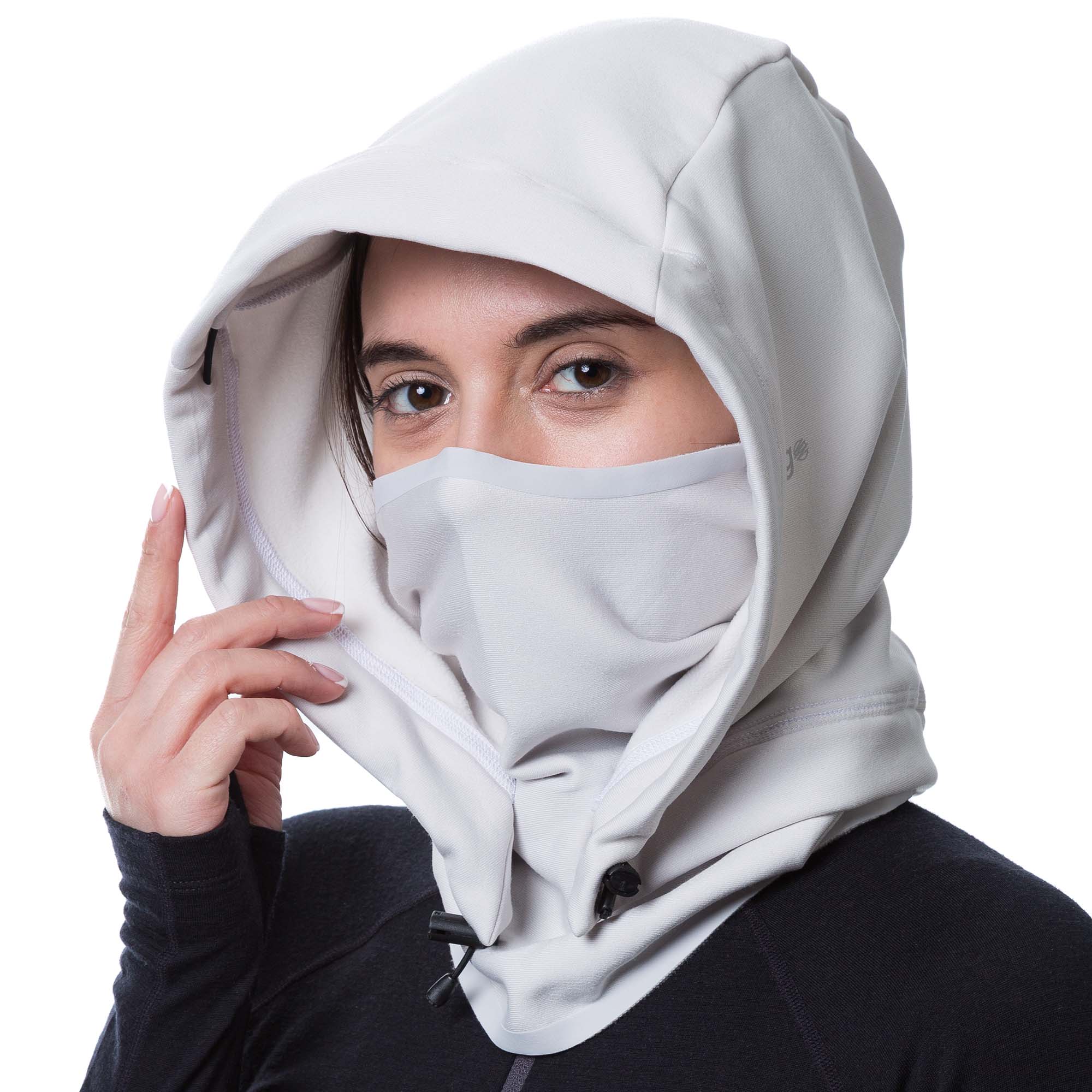
Hood
What is a balaclava and what is it best for?
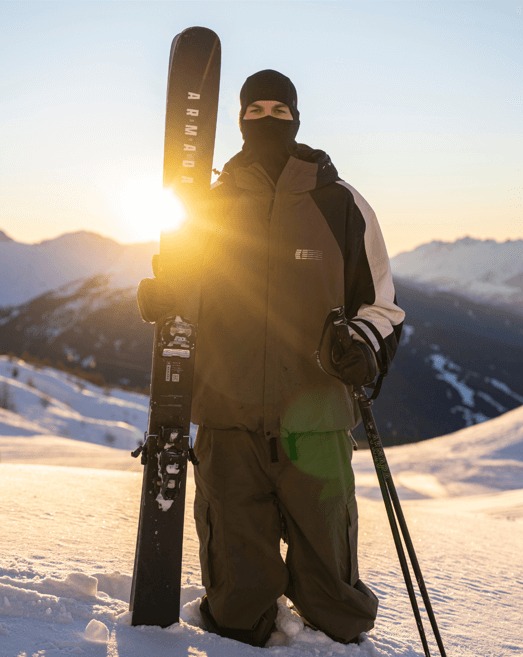
A balaclava is a full-coverage piece designed to protect your head, neck and face, often leaving just the eyes or mouth exposed. They’re ideal for cold, windy or stormy days when maximum protection is needed, especially at higher altitudes or on chairlifts. Balaclavas fit neatly under helmets, reduce heat loss and stop cold air creeping in around the neck and ears. Explore options in our Balaclavas and Hoods range for warmth without bulk.
What’s the difference between a hood and a balaclava?
Hoods offer similar warmth to balaclavas but are usually looser fitting and often designed to be worn over or under a helmet. They provide excellent neck and head insulation while allowing more flexibility around the face, making them popular for riders who want warmth without full facial coverage. Many modern hoods are designed to layer comfortably with helmets and outerwear for adaptable protection in changing conditions.
What is a snowboard or ski face mask?
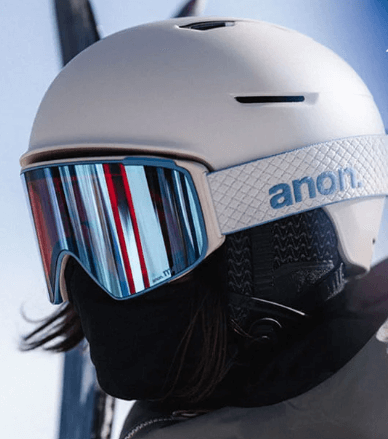
Face masks are designed specifically to protect the lower face from wind, cold and snow while allowing easy breathing and comfort. They’re great for milder days or for riders who prefer not to cover their whole head. Face masks are often breathable, moisture-wicking and shaped to work seamlessly with goggles and helmets. Browse our full range of Ski and Snowboard Face Masks for options that balance warmth and airflow.
What is a neck tube or snood and when should I use one?
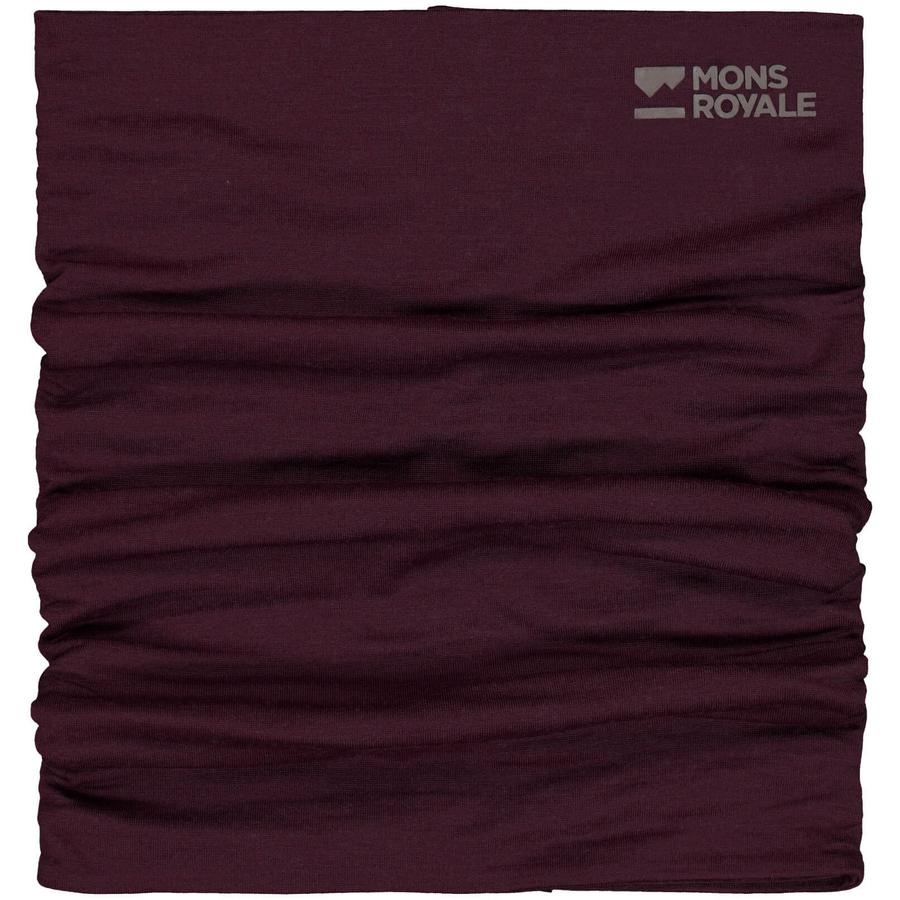
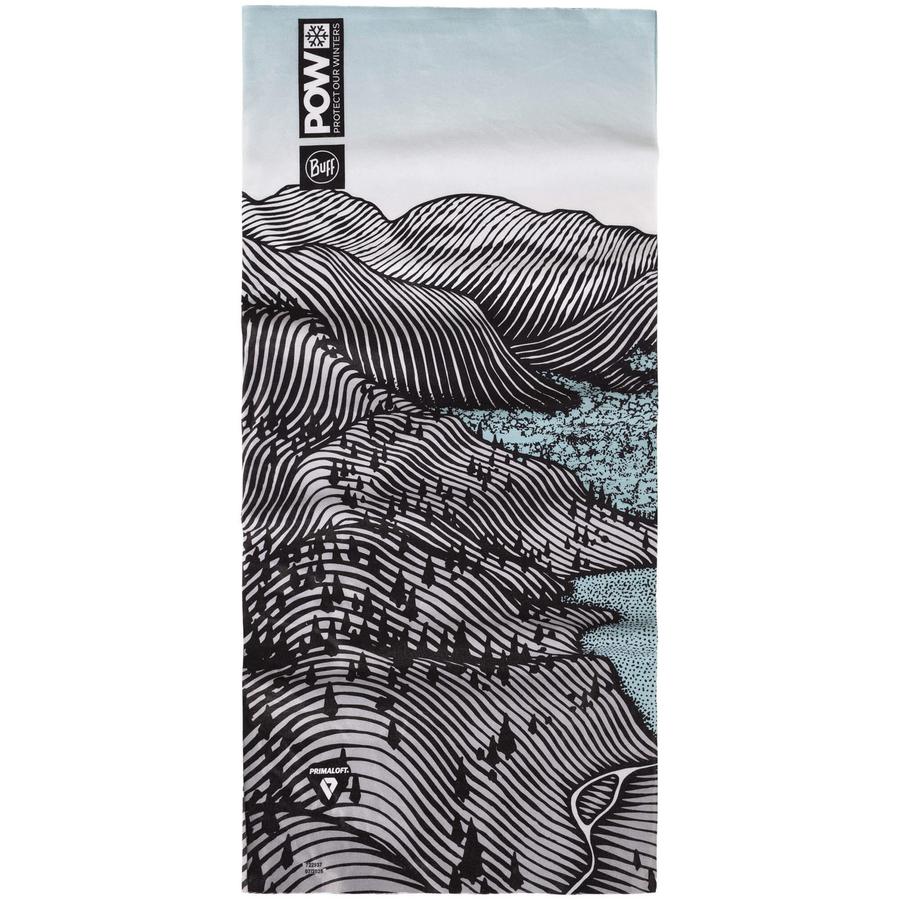
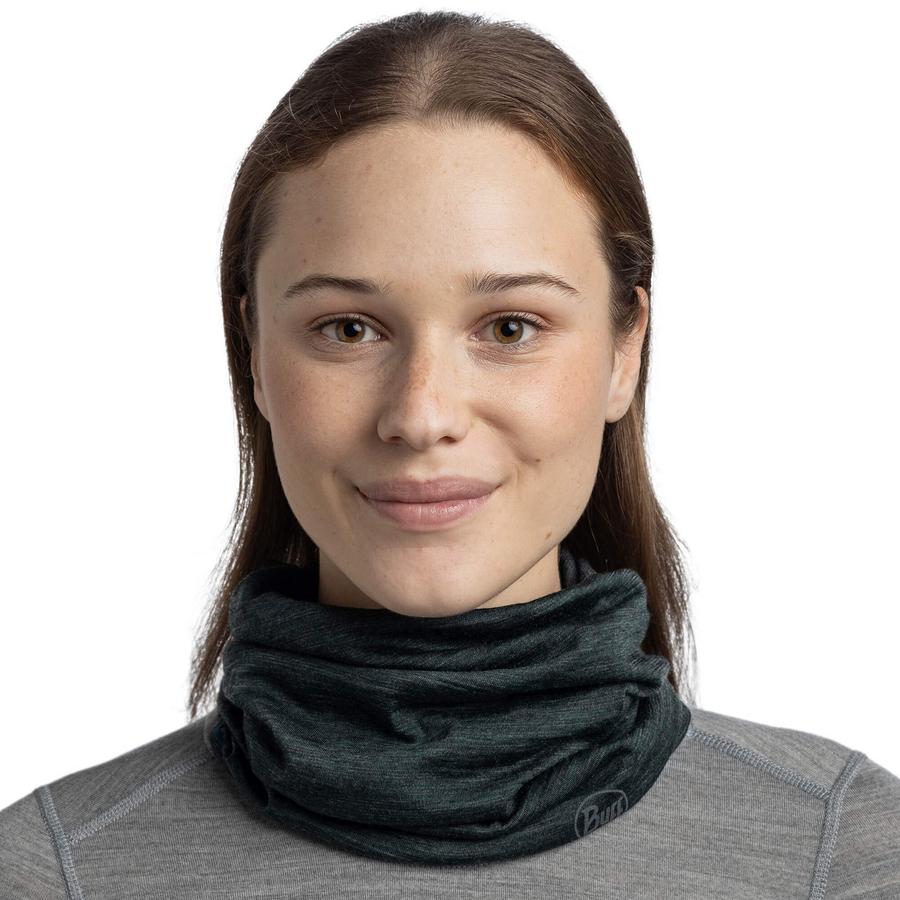
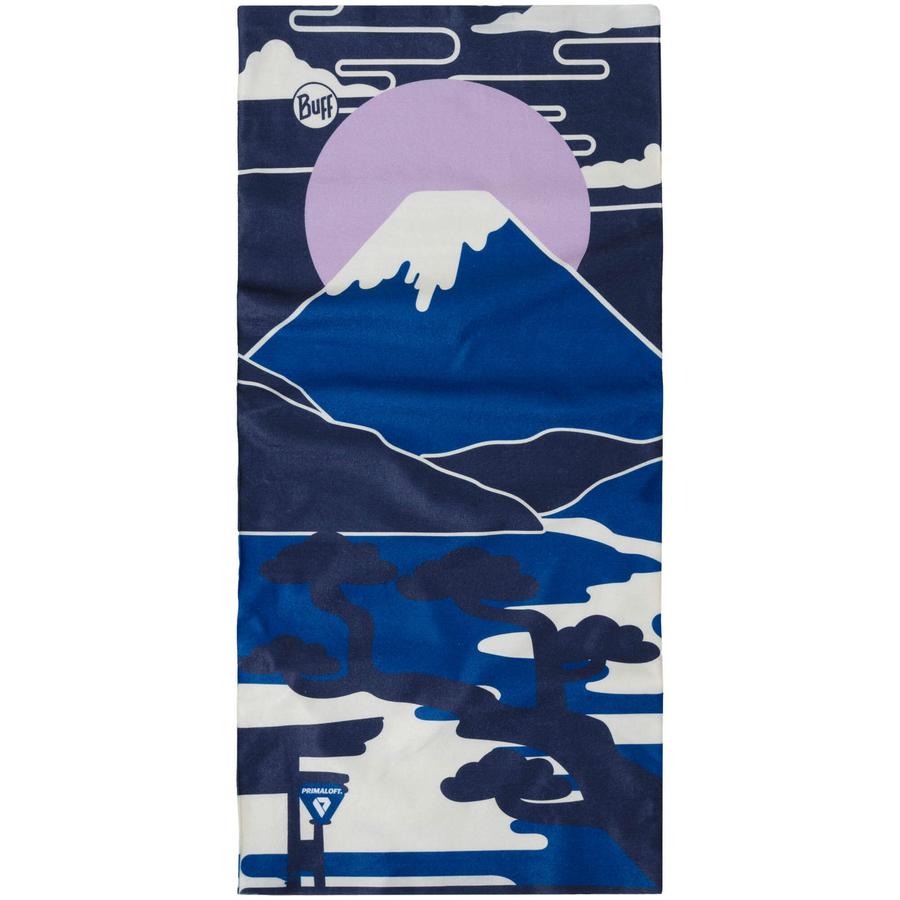
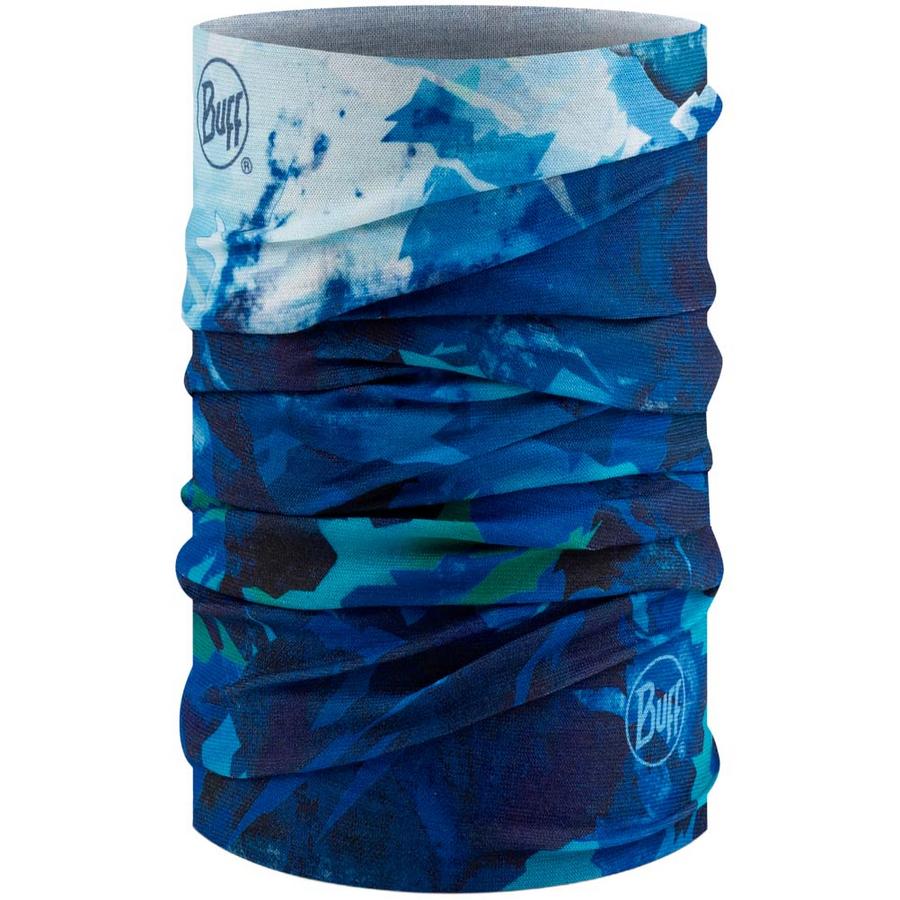
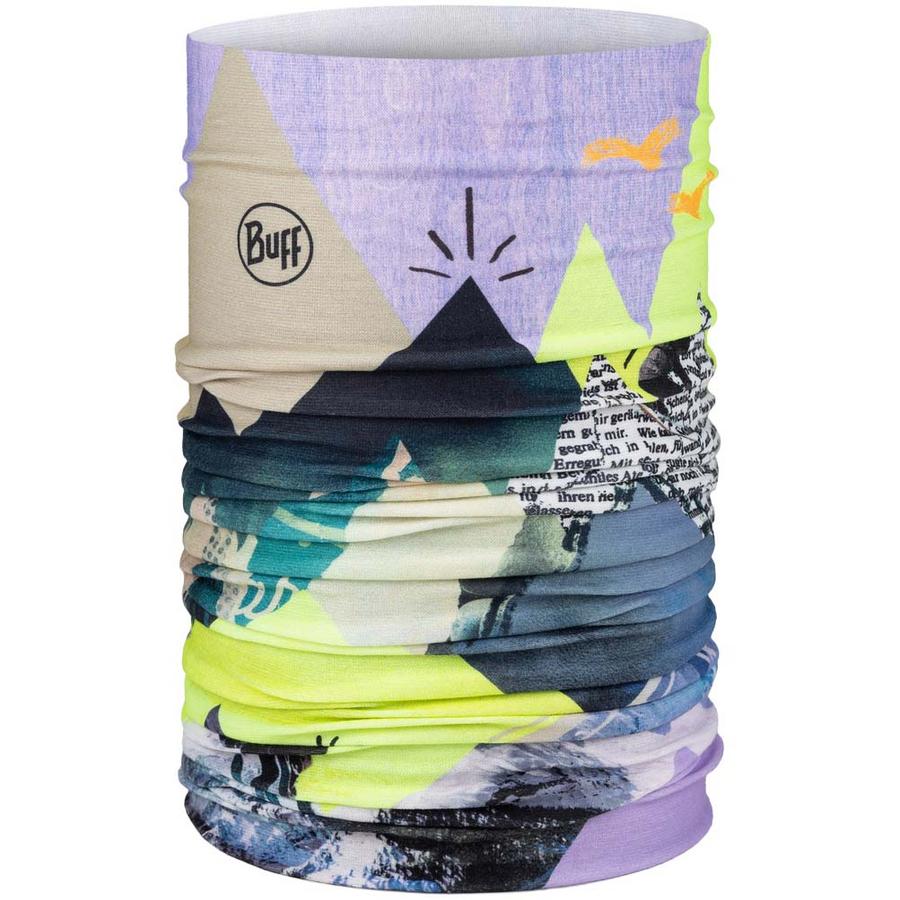
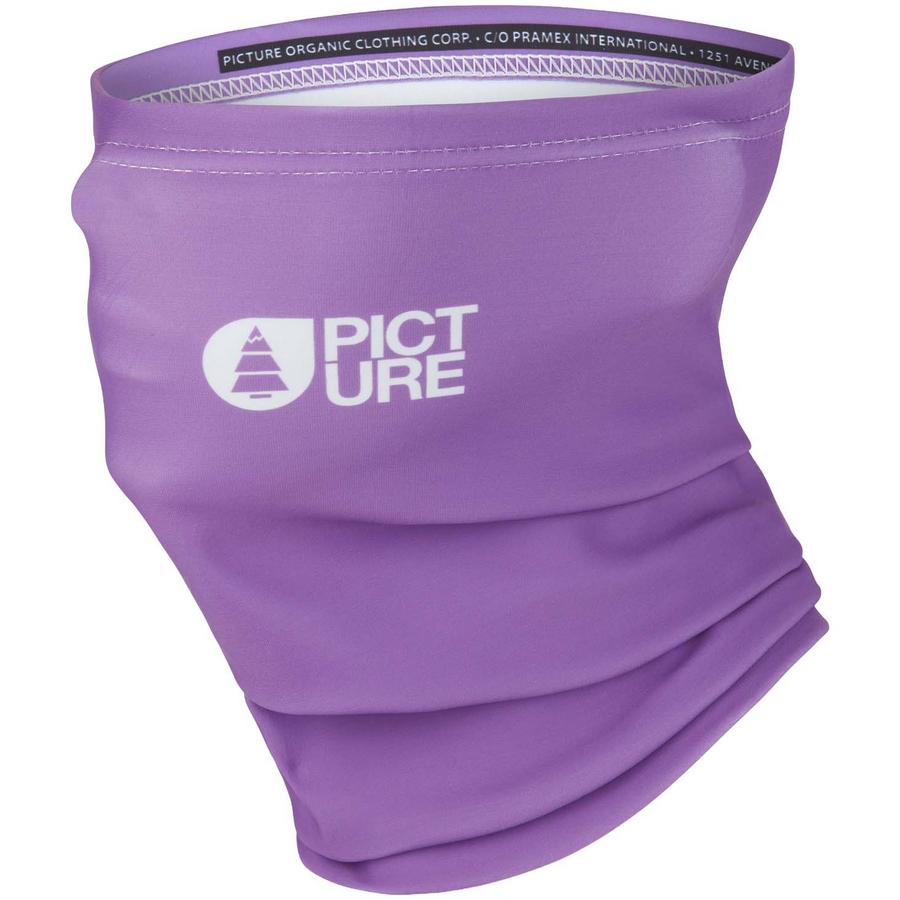
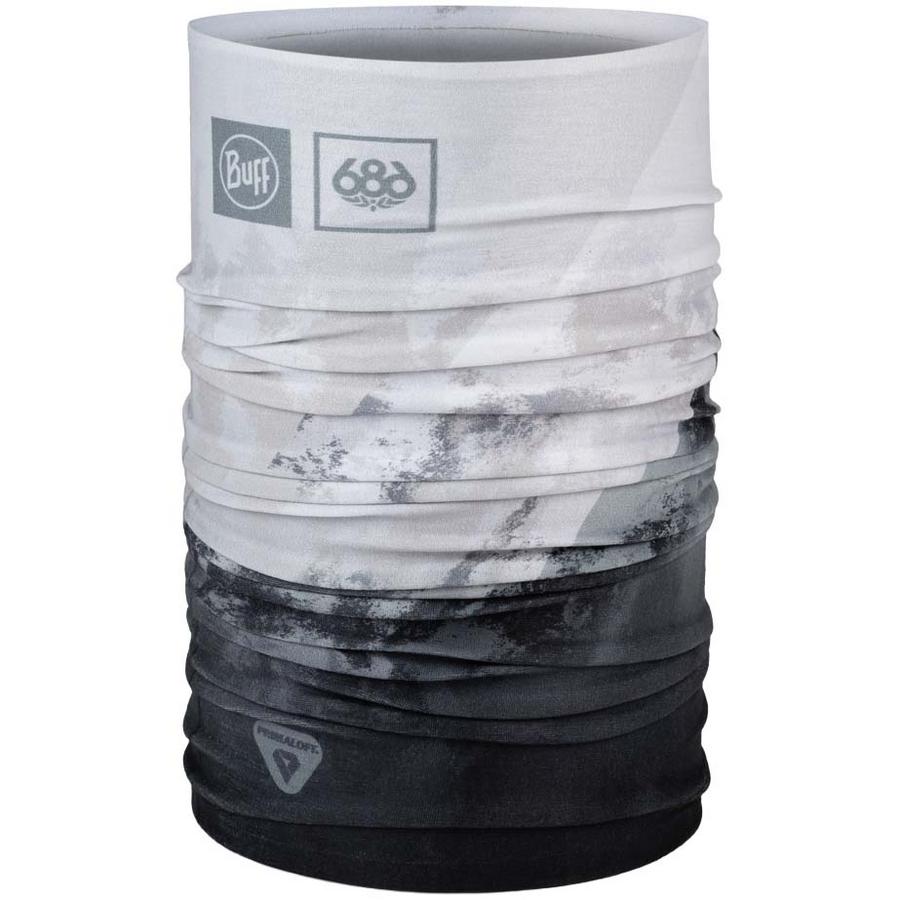
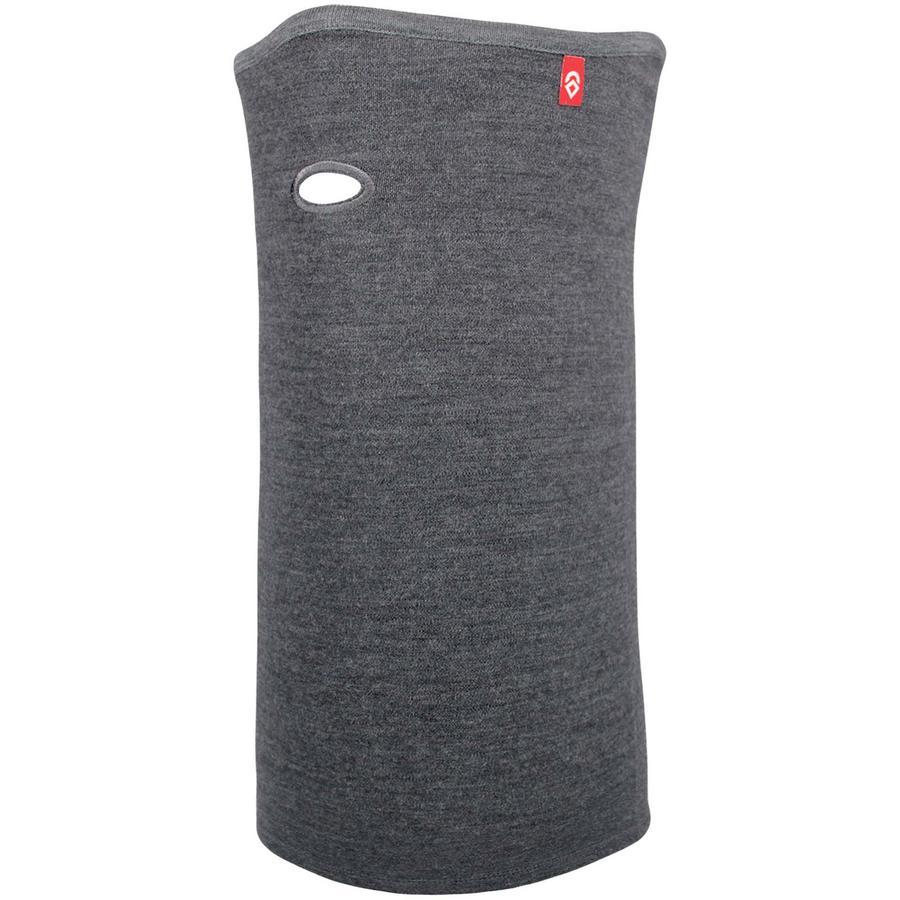
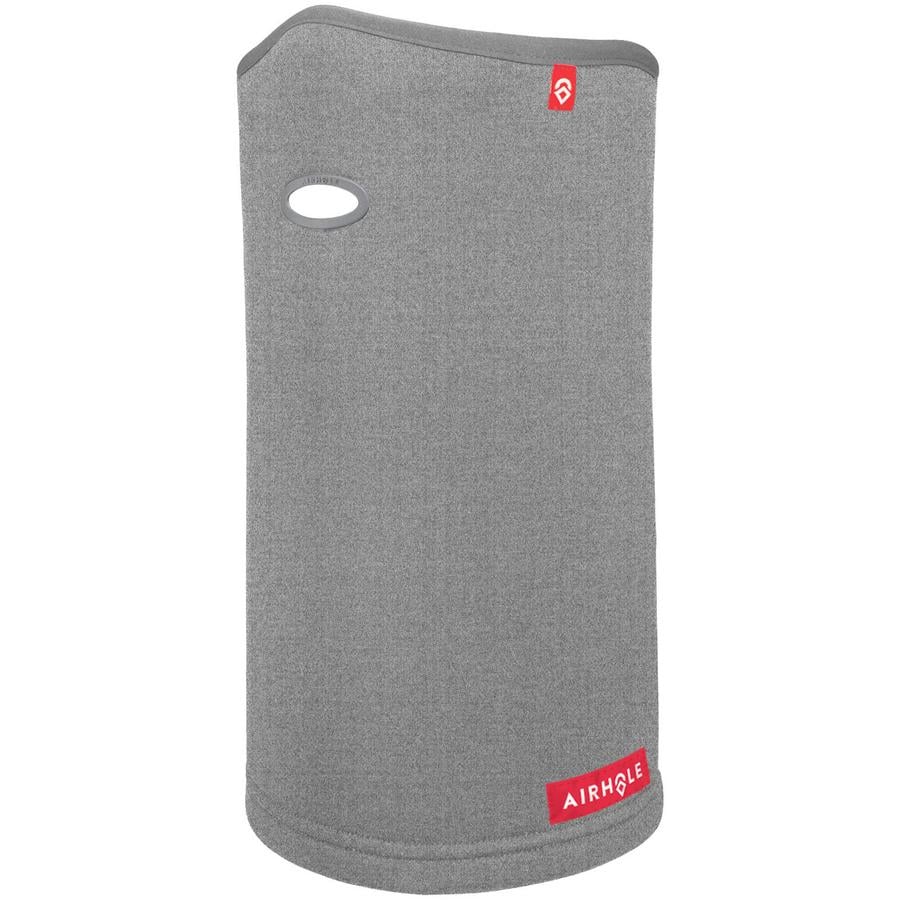
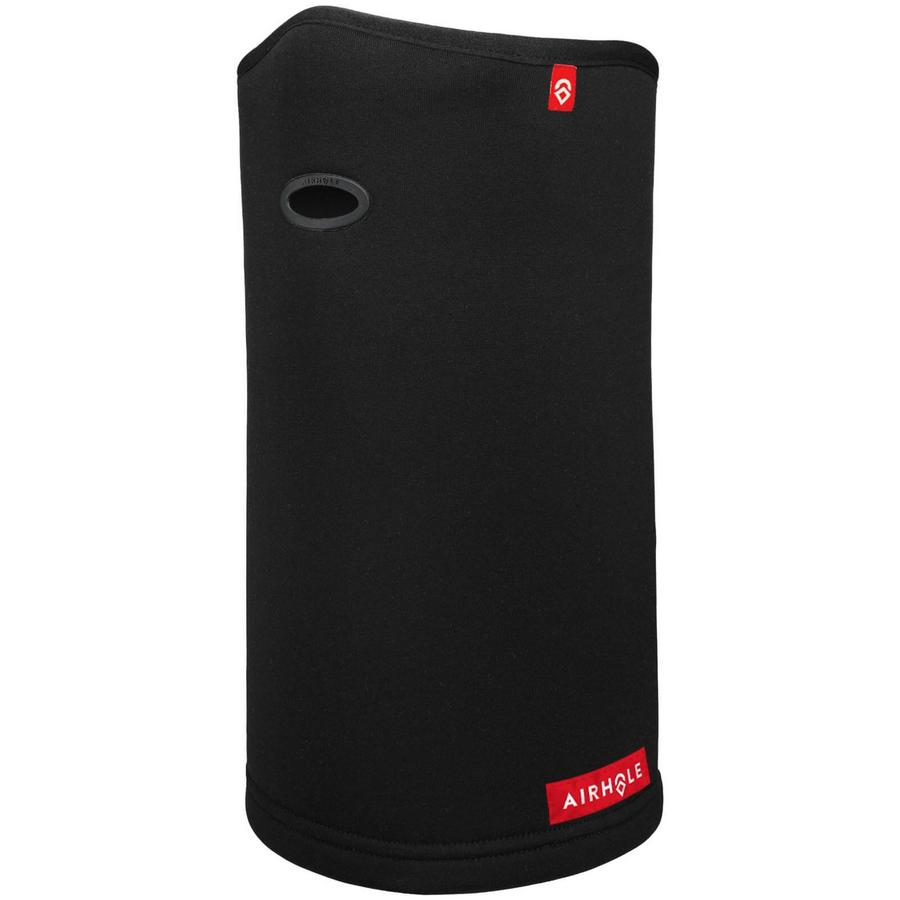
Neck tubes or snoods are versatile, lightweight pieces that can be worn around the neck, pulled up over the mouth and nose, or even used as a headband. They’re perfect for variable weather, spring riding or layering with other headwear. While they don’t offer as much protection as a balaclava in extreme cold, they’re incredibly adaptable and easy to adjust on the go.
Which option is best for skiing vs snowboarding?
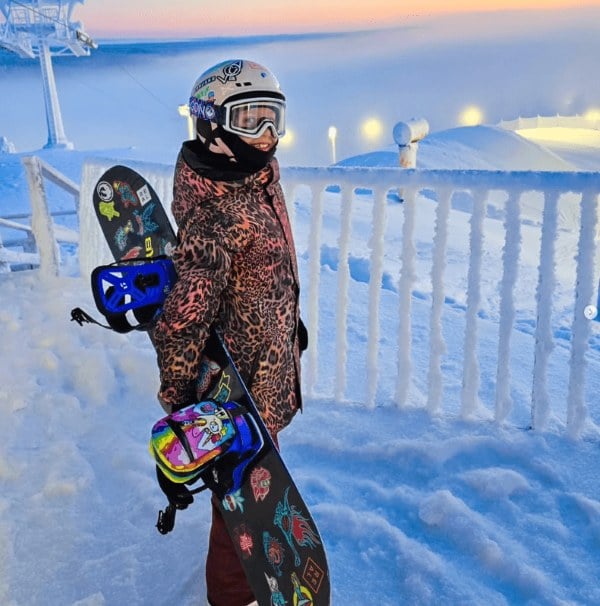
Both skiers and snowboarders benefit from all of these options, but snowboarders often favour face masks and neck tubes for flexibility, while skiers may prefer balaclavas or hoods for longer lift rides and higher speeds. The best choice depends on weather, intensity and personal comfort, many riders mix and match depending on the day.
What are MFI face masks and how do they work?
MFI (Magnetic Face Mask Integration) systems use magnets to securely connect a face mask directly to compatible goggles, creating a seamless seal between mask and lens. This prevents gaps, reduces fogging and stops cold air getting in, even at speed. MFI masks are a brilliant option for riders who want maximum comfort and protection without constantly adjusting their setup. Discover compatible options in our MFI Face Masks collection or check out our full guide to MFI Technology.
How do I keep kids warm and happy on the slopes?
When choosing face and headwear for kids, warmth and comfort are only part of the picture, safety is just as important. Balaclavas, hoods, face masks and snoods help keep little faces warm and protected from windburn, snow and cold, which goes a long way in keeping kids happy and smiling on the mountain. However, these should always work seamlessly alongside a properly fitted helmet, as helmet use is essential for young riders. Make sure children are wearing a certified, well-fitting helmet like those in our Kids' Helmets range, and avoid bulky headwear that can affect helmet fit or safety. The right setup keeps them warm without compromising protection, helping them ride with confidence and comfort all day. For a full breakdown of what children really need on the slopes, from helmets to layers and accessories, check out our complete guide on Essentials for Taking Kids to the Mountains.
What should I look for when choosing face and headwear?
Look for breathable, moisture-wicking materials, helmet compatibility and a fit that doesn’t bunch or rub. Quality construction matters, as poorly made headwear can feel bulky, restrict breathing or cause fogging with goggles. Investing in well-designed gear improves comfort, confidence and enjoyment, just like choosing proper Torso and Back Protection supports safety and performance on the mountain.
The right choice of balaclava, hood, face mask or neck tube helps you stay warm, protected and focused on riding, whatever the conditions throw at you.
Check out our full range of Balaclavas and Face Masks today!
Explore balaclavas & face masks
Face mask & balaclava FAQs
Is a balaclava or face mask warmer?
A balaclava is warmer because it covers your head, neck and face. A face mask only covers the lower face.
Can I wear a balaclava under a ski helmet?
Yes. Thin balaclavas are designed to fit under helmets without affecting the fit.
What is an MFI face mask?
A face mask that attaches to compatible goggles with magnets, sealing out cold air and reducing fog. See Anon MFI Explained.
Do face masks make goggles fog?
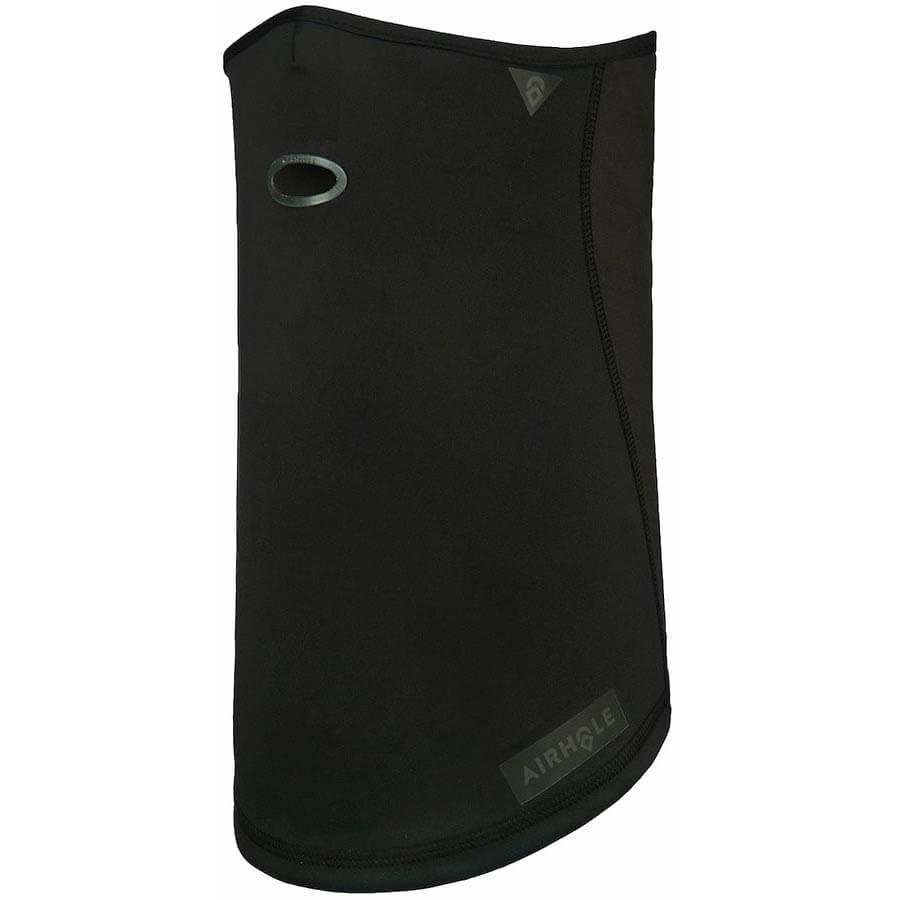
A tight mask can push warm breath into your goggles. Choose a breathable mask or one with a breathing hole, like Airhole.
Complete your kit
More advice: Which Airhole Is Right for Me? · Gloves & Mittens Guide · What to Wear Skiing & Snowboarding
Still not sure what you need?
Our team are here to help. Contact Our Experts or browse our Snowboard Buying Guides and Ski Buying Guides.