How to Choose Ski or Snowboard Gloves & Mittens: The Absolute Buying Guide

Updated November 2026 · By the Absolute-Snow team · 6 min read
Quick answer: should I get ski gloves or mittens?
Mittens are warmer because your fingers share heat. Gloves give more dexterity for buckles, zips and phones. Trigger mitts sit in between. Whatever you choose, make sure they're waterproof and breathable, fit snugly with a little room at the fingertips, and suit your conditions.
Key takeaways
- Mitts for warmth, gloves for dexterity, trigger mitts for both.
- Always choose waterproof gloves. Wool gloves soak through.
- Synthetic insulation stays warm when damp. Leather is the most durable.
- Learning to snowboard? Consider gloves with built-in wrist guards.
Gloves vs MittsWaterproofingFitFAQs
When you're heading to the mountains, having the right gloves or mittens can make or break your day on the slopes. Cold, wet hands? No thanks.
Plus, gloves protect your hands if you fall—helping to prevent snow burn, scrapes, and bruises. With so many options out there, it can be tricky to know what to look for. This guide will help you choose the best gloves or mittens for skiing and snowboarding, from materials to insulation types, wrist guards, and more.
What's the difference between gloves and mittens?

The biggest difference is how they handle warmth and dexterity:
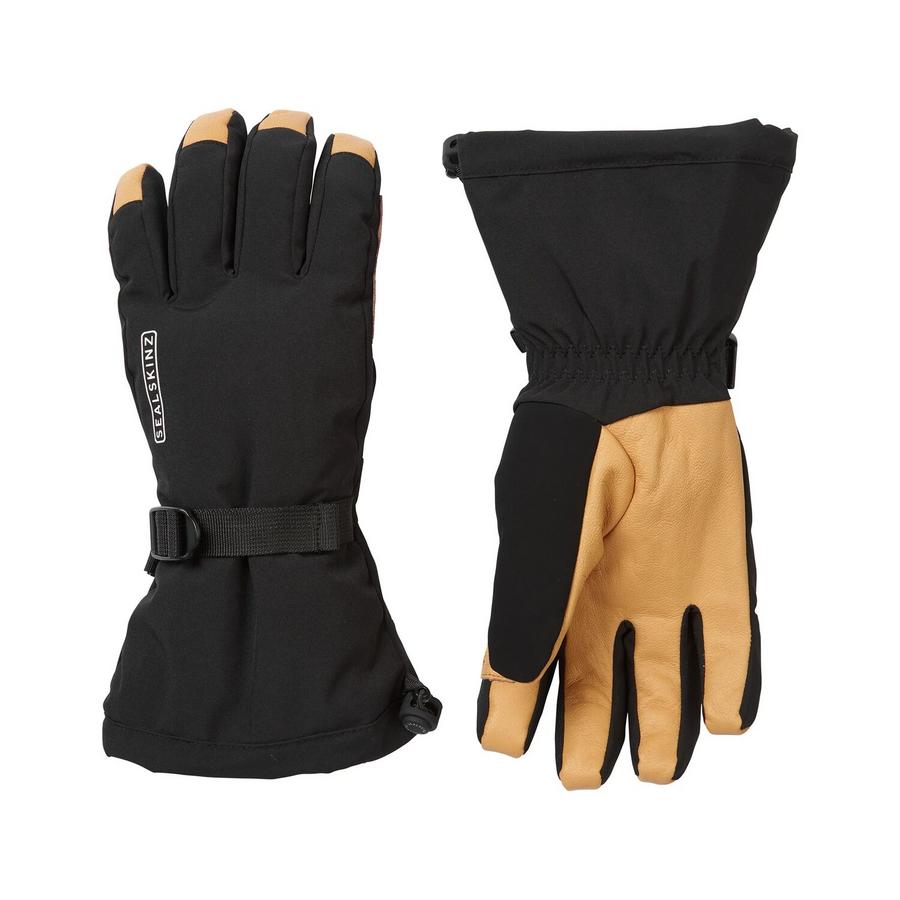
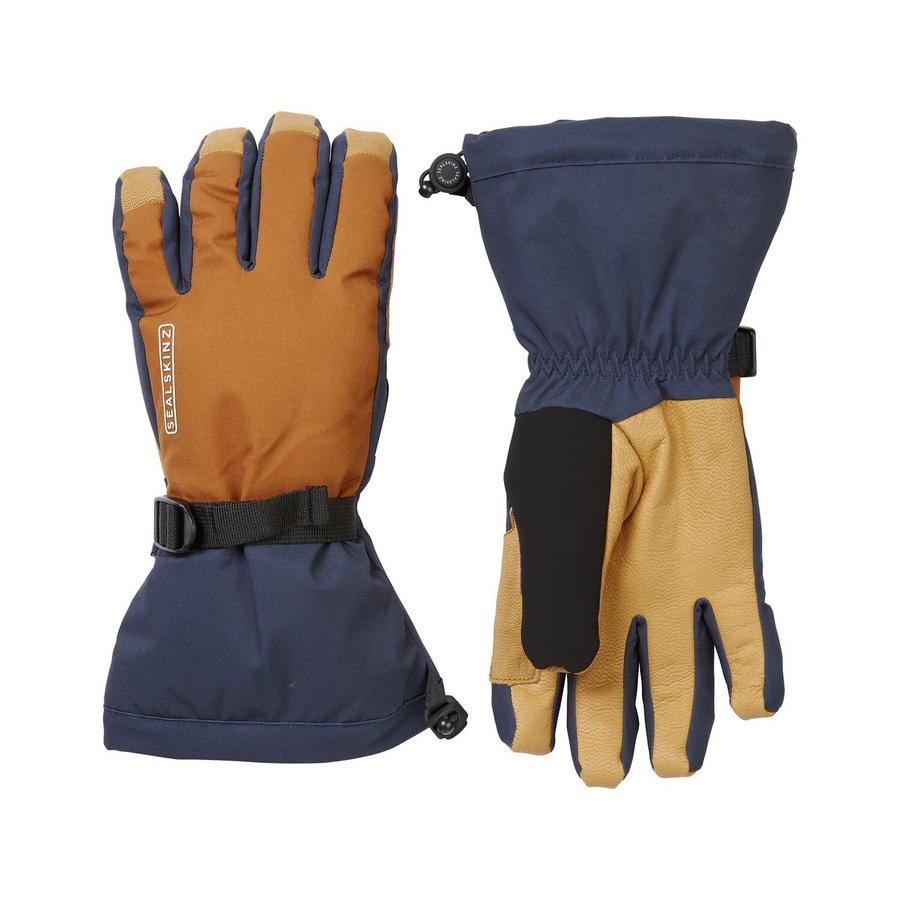
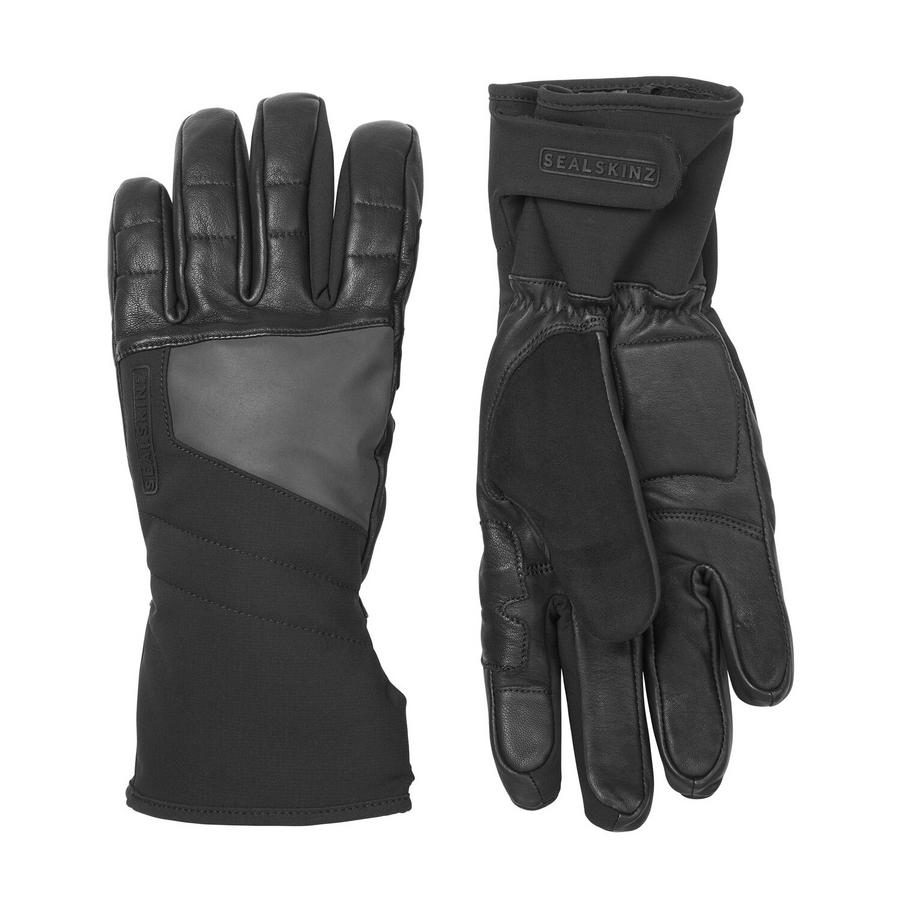
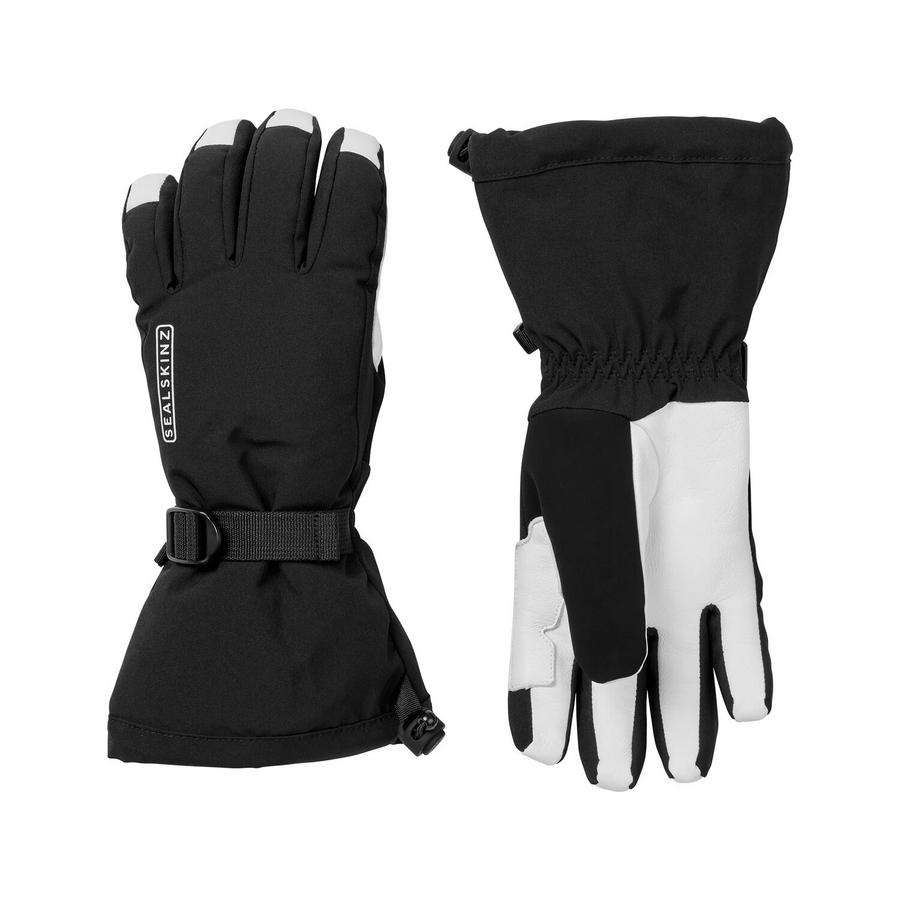
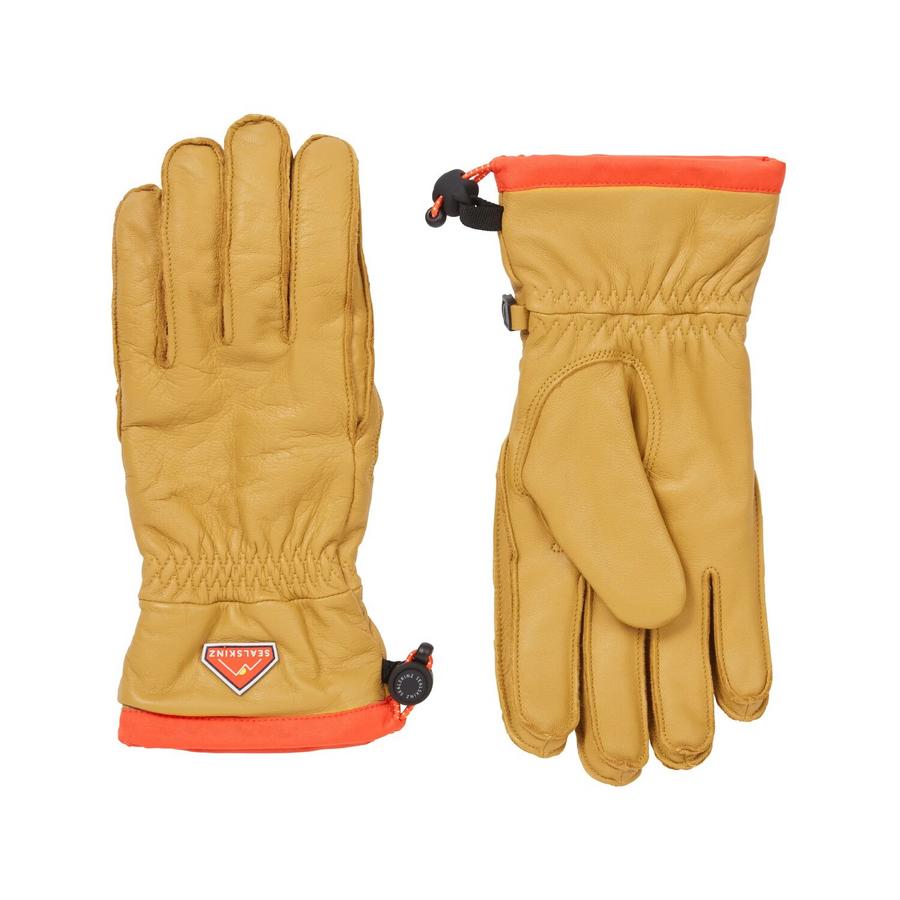
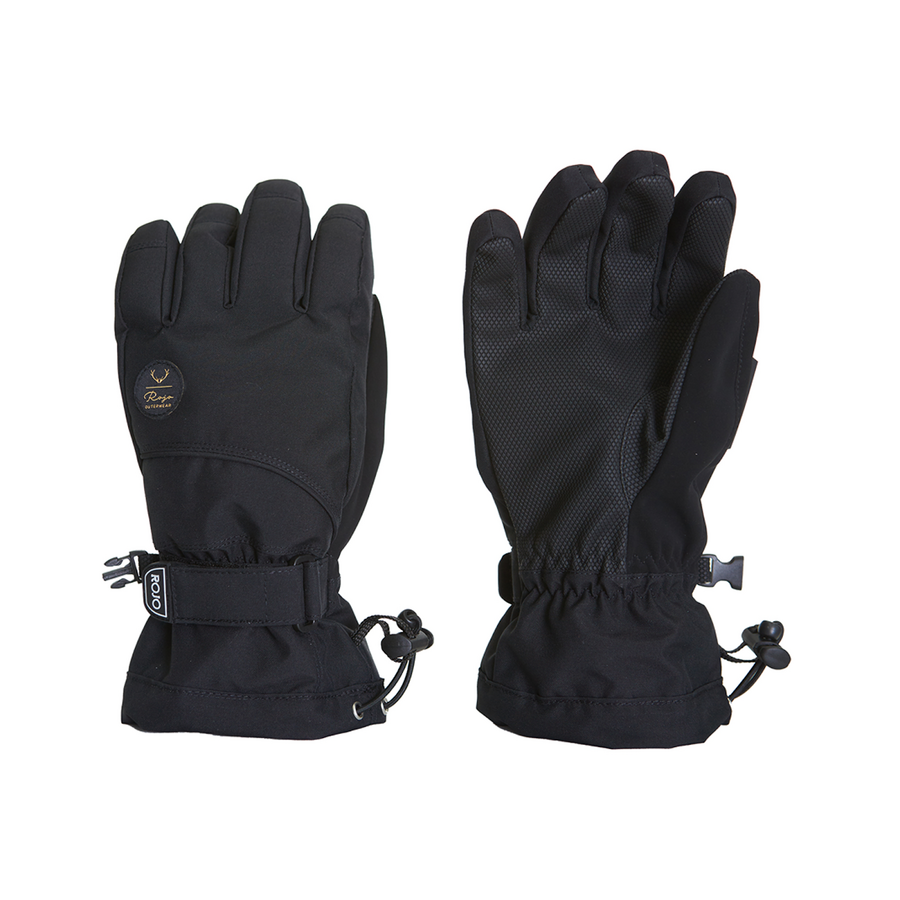
Snowboard Gloves & Ski Gloves: Separate fingers give you better dexterity, making it easier to adjust bindings, use your phone, or grab gear.
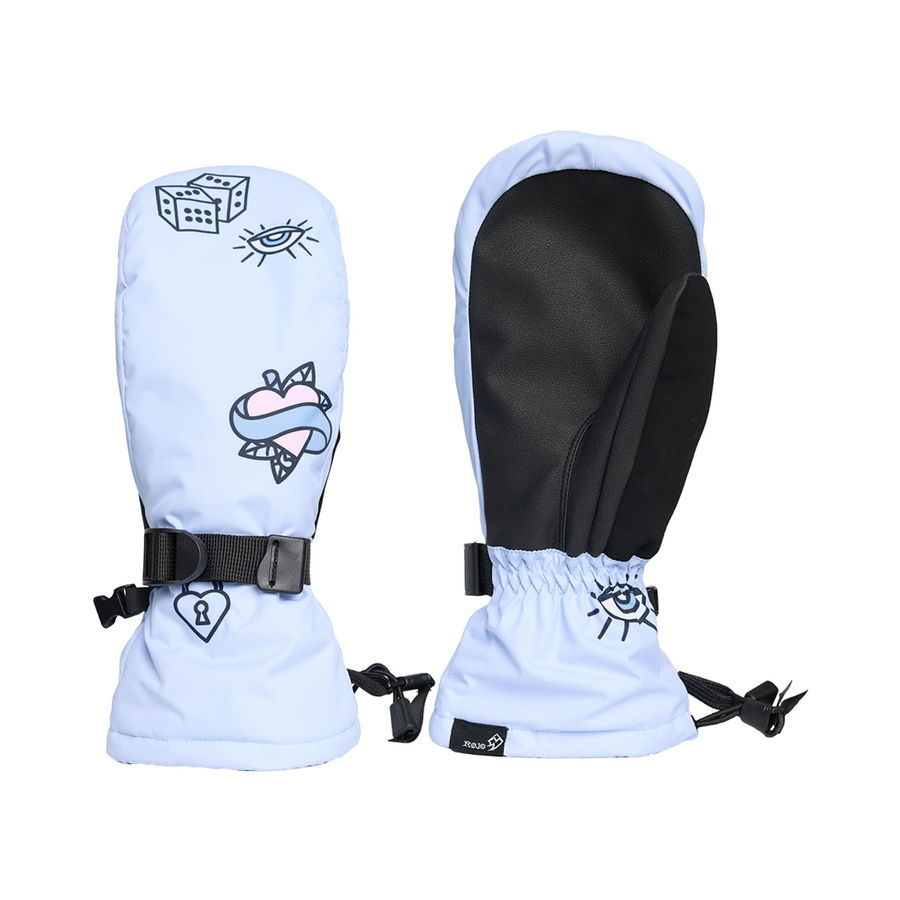
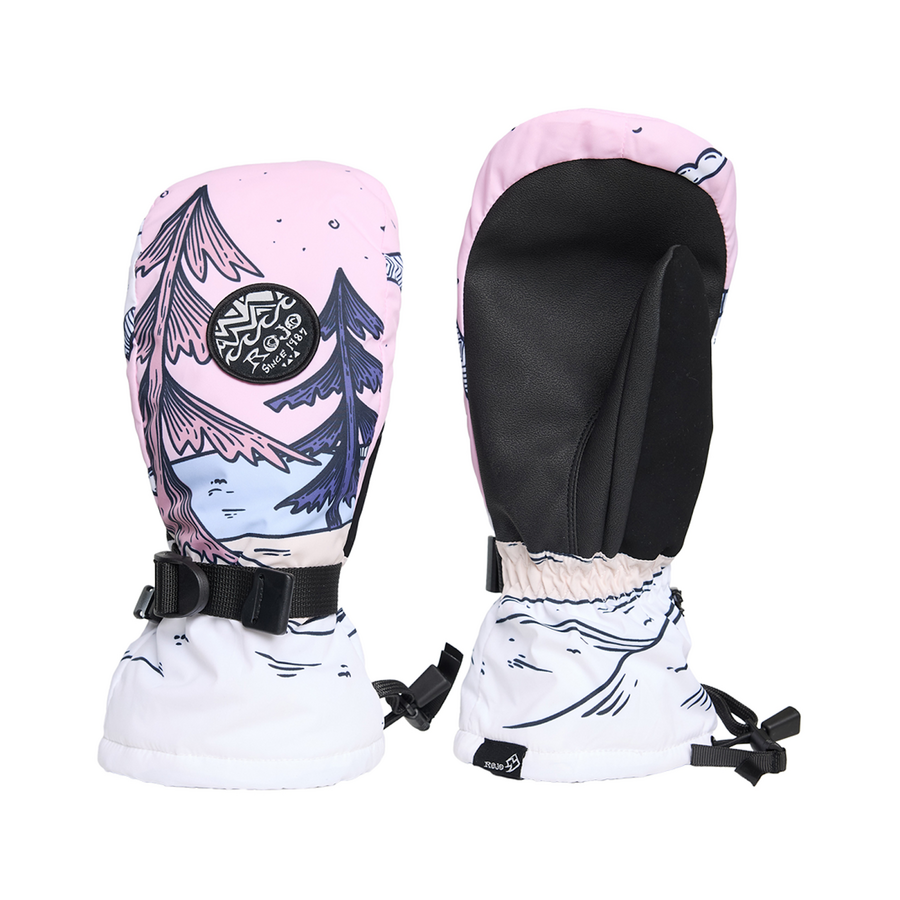
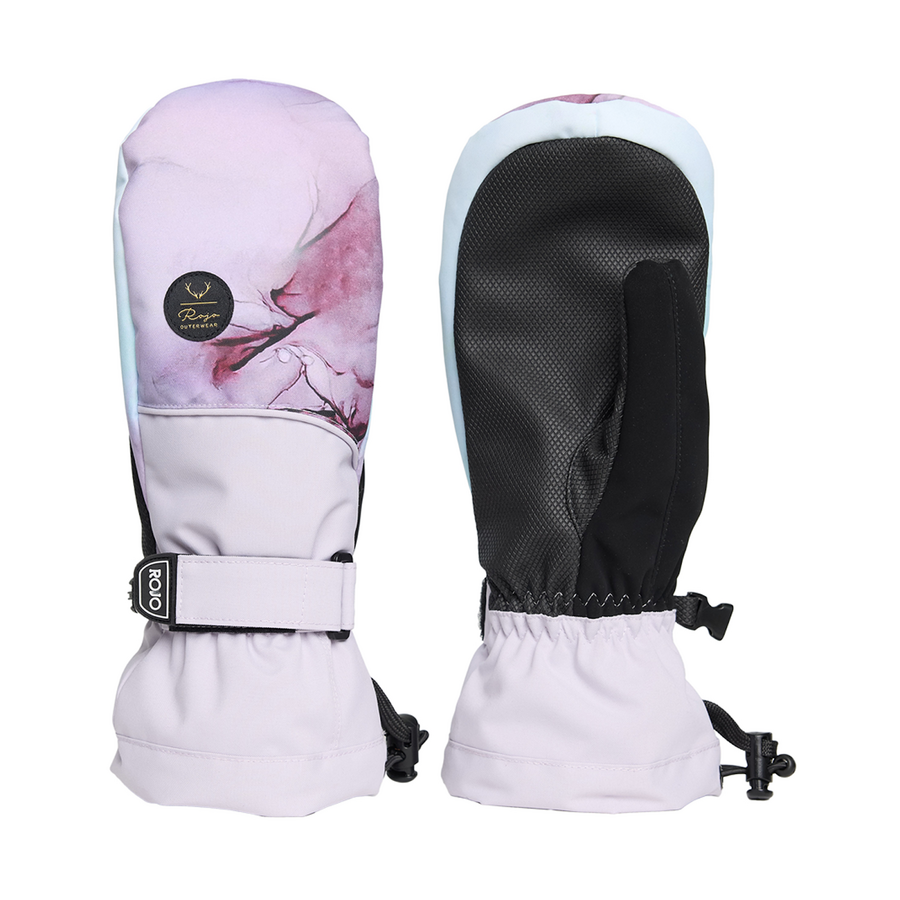
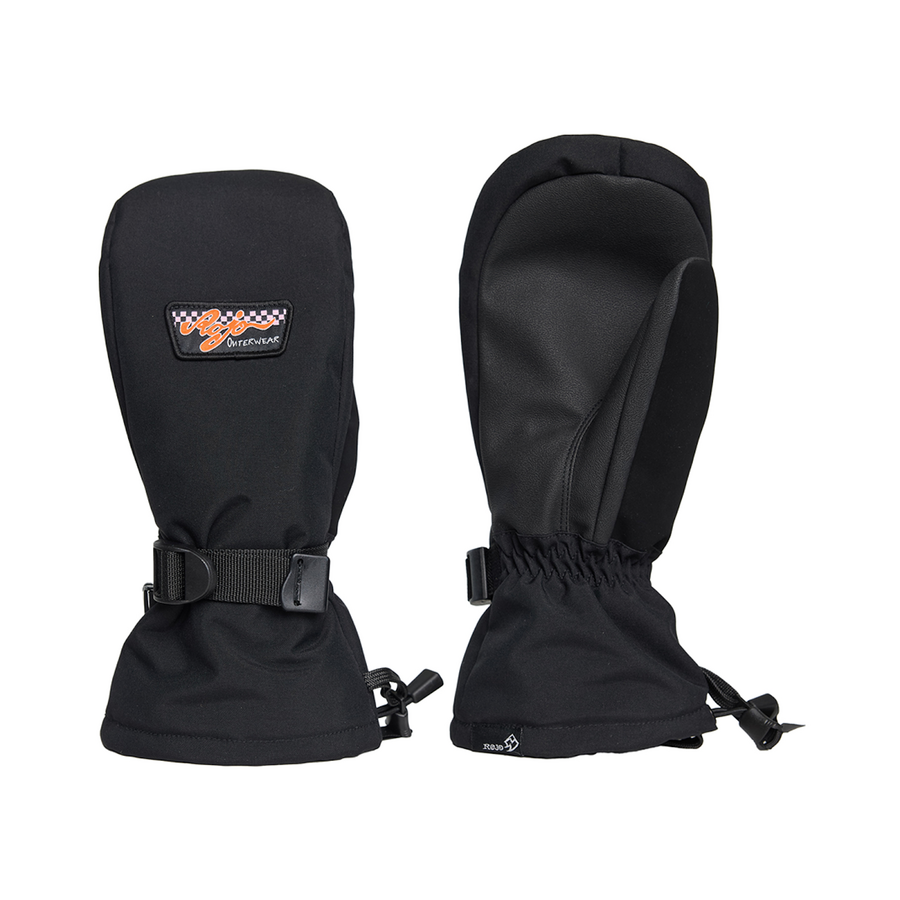
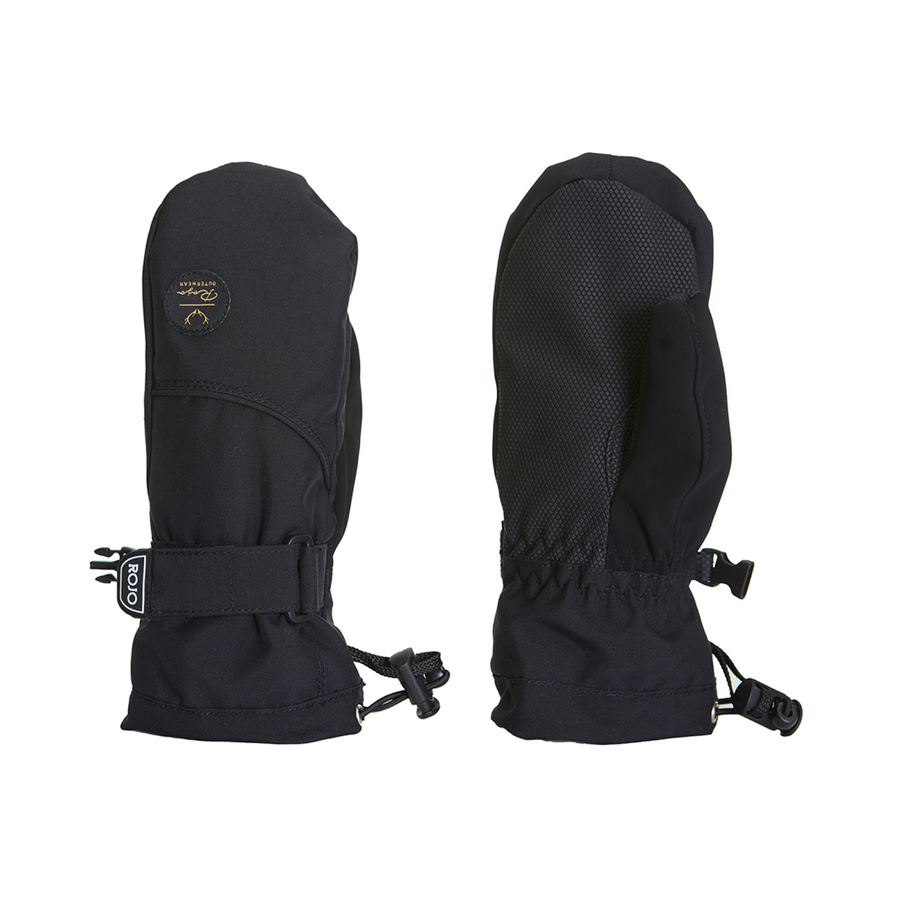
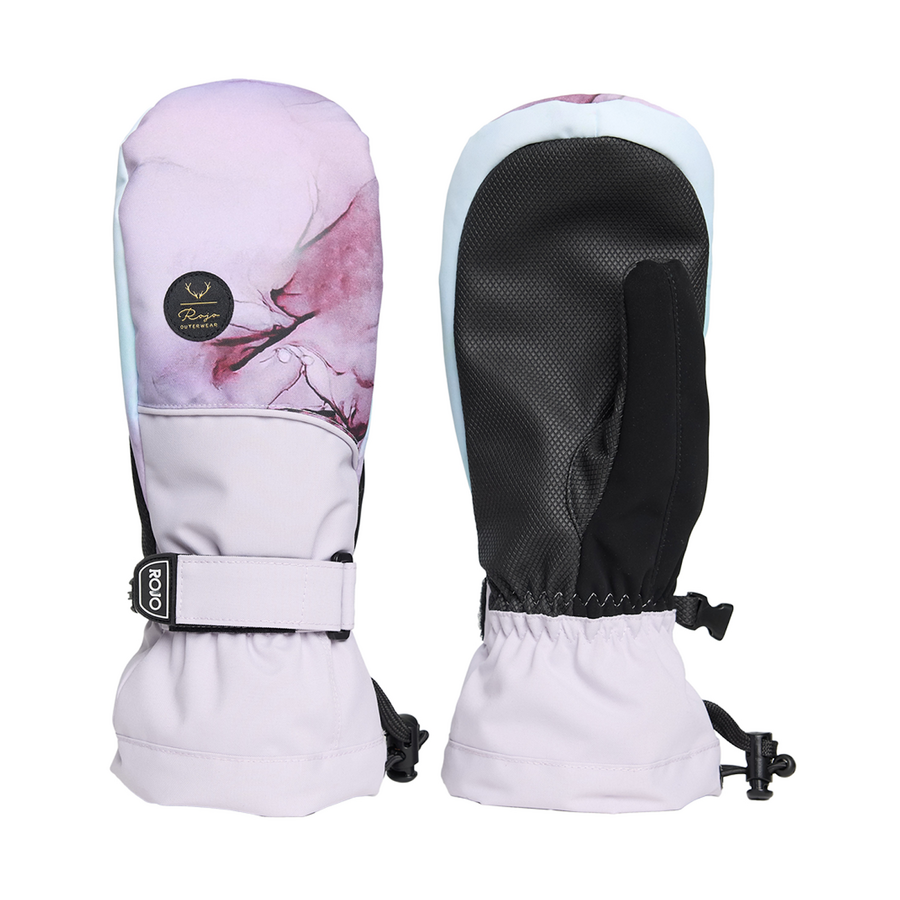
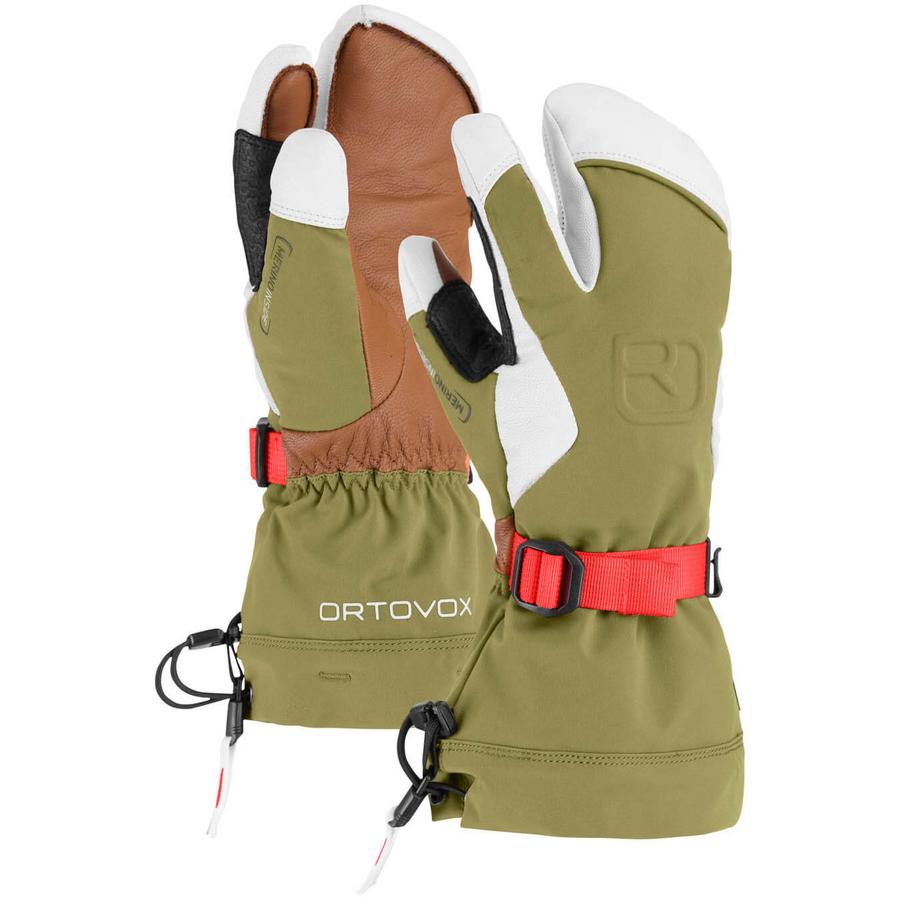
Snowboard Mittens & Ski Mittens: Fingers share warmth in mitts, making them the warmer option — perfect for cold conditions.
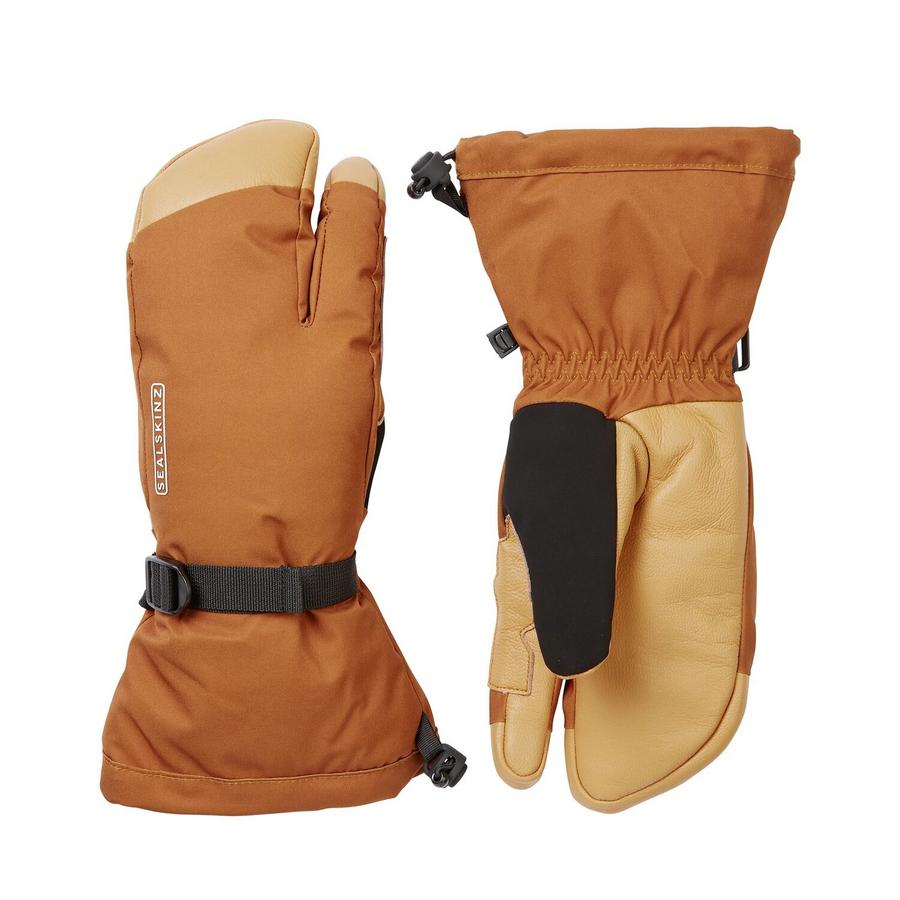
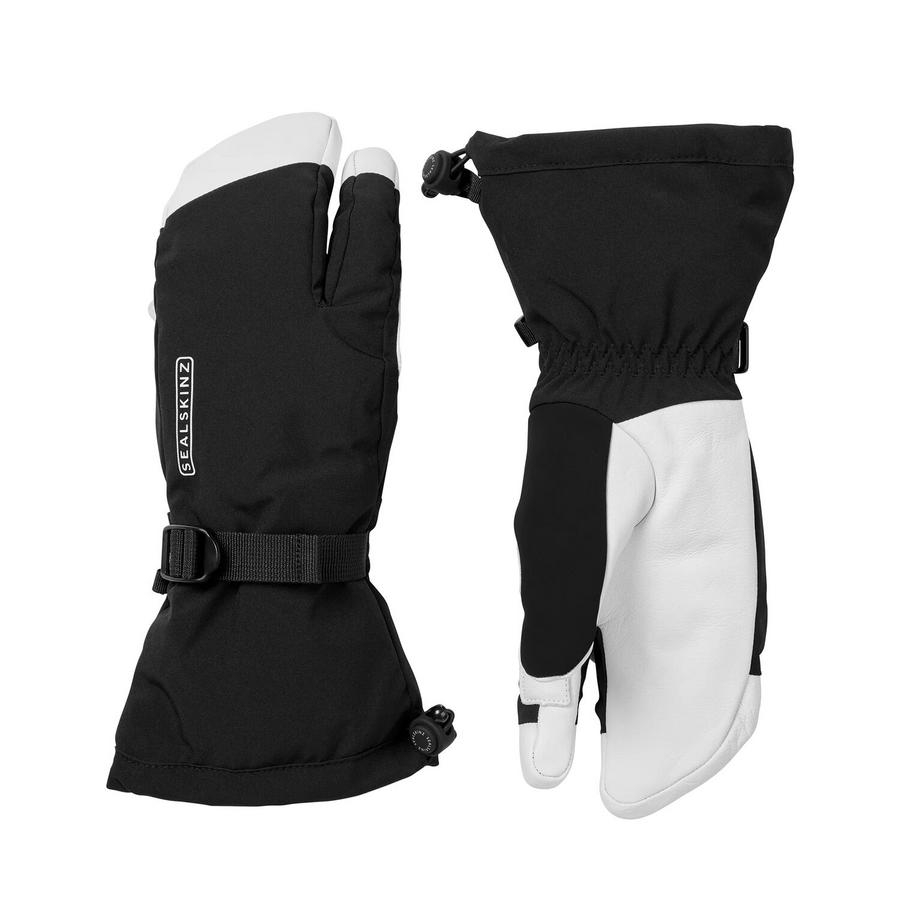
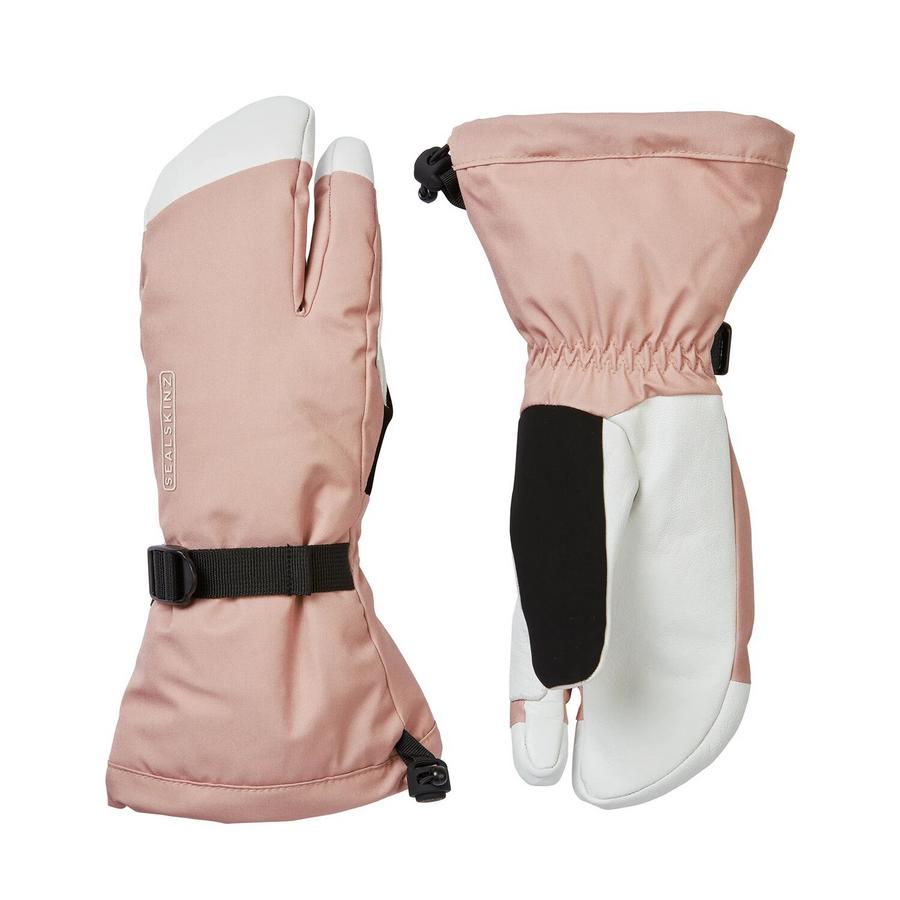
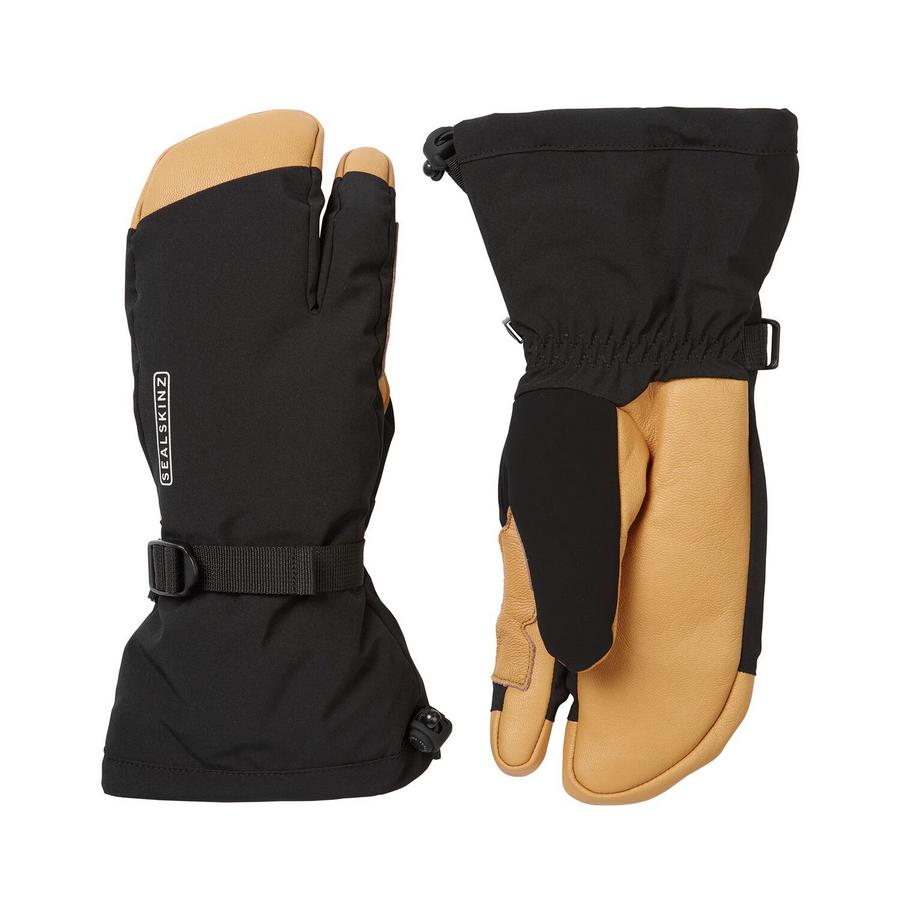
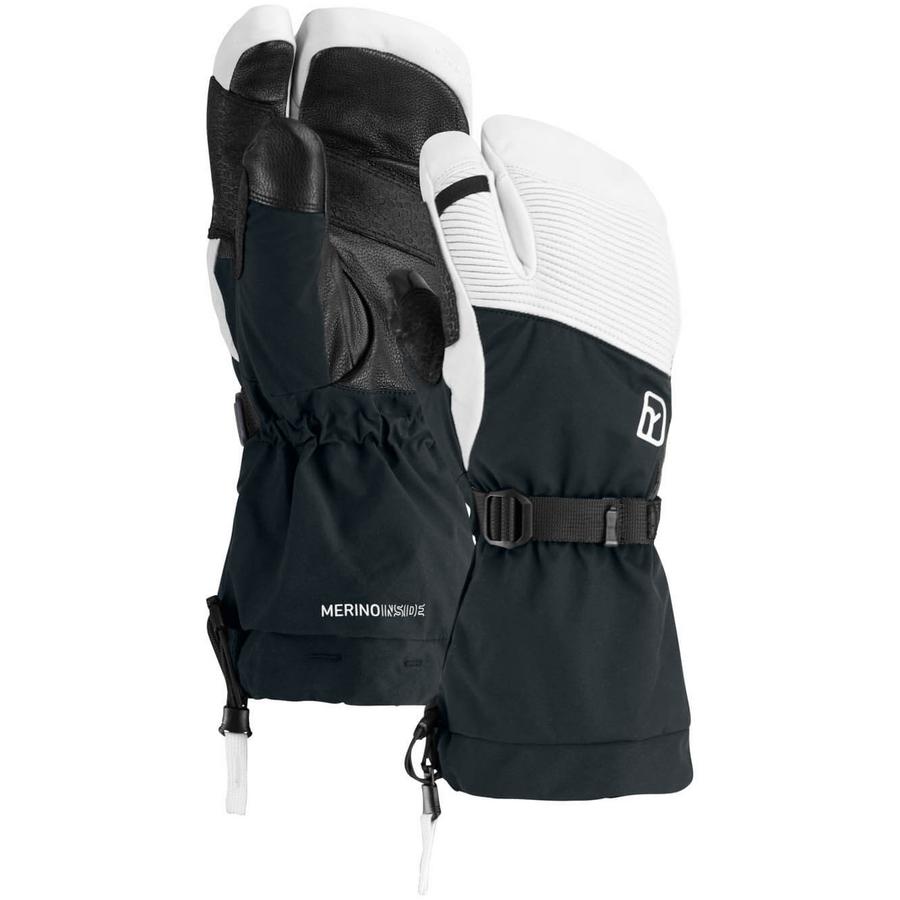
Snowboard Trigger Gloves/Mitts & Ski Trigger Gloves/Mitts: A hybrid with a split-finger design (like a lobster claw) that offers a balance between warmth and dexterity.
| Type | Warmth | Dexterity | Best for |
|---|---|---|---|
| Gloves | Good | Best | Adjusting kit, park and warmer days |
| Mittens | Warmest | Lowest | Cold days and anyone with cold hands |
| Trigger mitts | Very good | Good | A balance of both |
What Material Should I Choose?

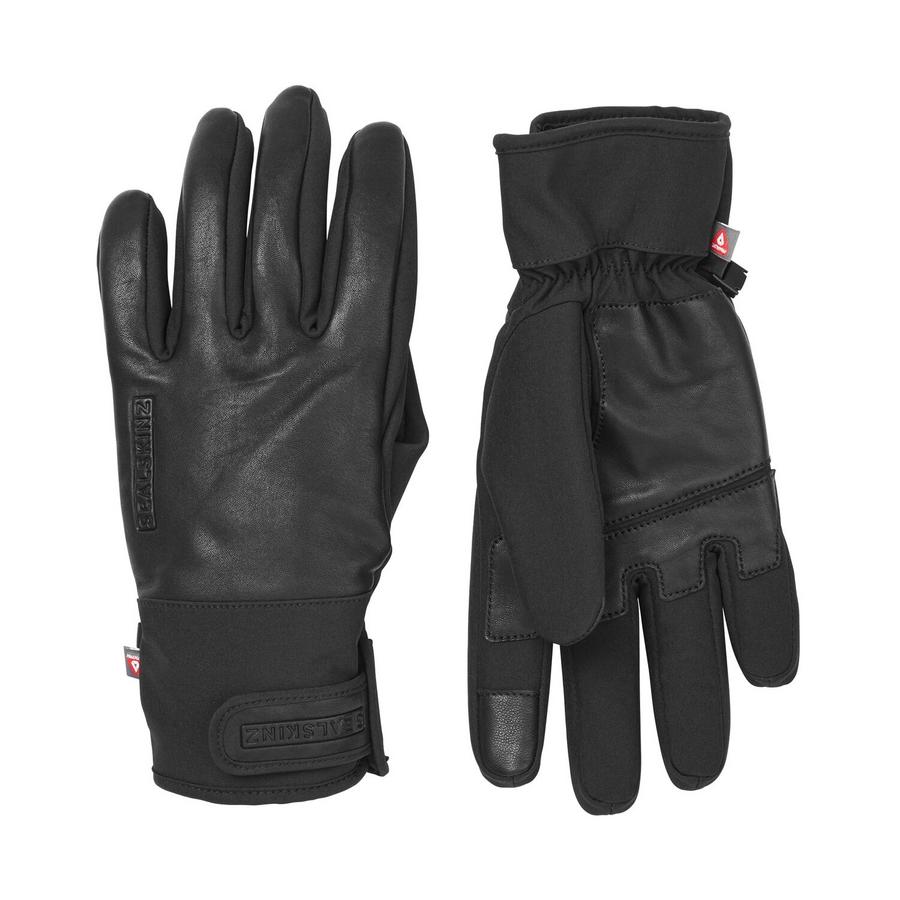
Leather Snowboard Gloves/Mitts & Leather Ski Gloves/Mitts: Super durable, naturally water-resistant, and flexible. Needs occasional treatment to maintain performance.
Synthetic Snowboard Gloves/Mitts & Synthetic Ski Gloves/Mitts: Lightweight, quick-drying, and often more affordable.
Hybrid: Combines leather in high-wear areas with synthetic materials for a balance of durability and performance.
| Material | Pros | Cons |
|---|---|---|
| Leather | Very durable, flexible, naturally water-resistant | Needs occasional treatment |
| Synthetic | Light, quick-drying, more affordable | Less durable |
| Hybrid | Leather where it wears, synthetic elsewhere | Usually mid-price |
What Insulation Types Are Available?

Down: Super warm but less effective when wet.
Synthetic: Retains warmth even when damp, making it ideal for variable mountain conditions.
Fleece Lining: Soft and cosy, often used as a liner for added warmth.
Do I need waterproof gloves for skiing and snowboarding?

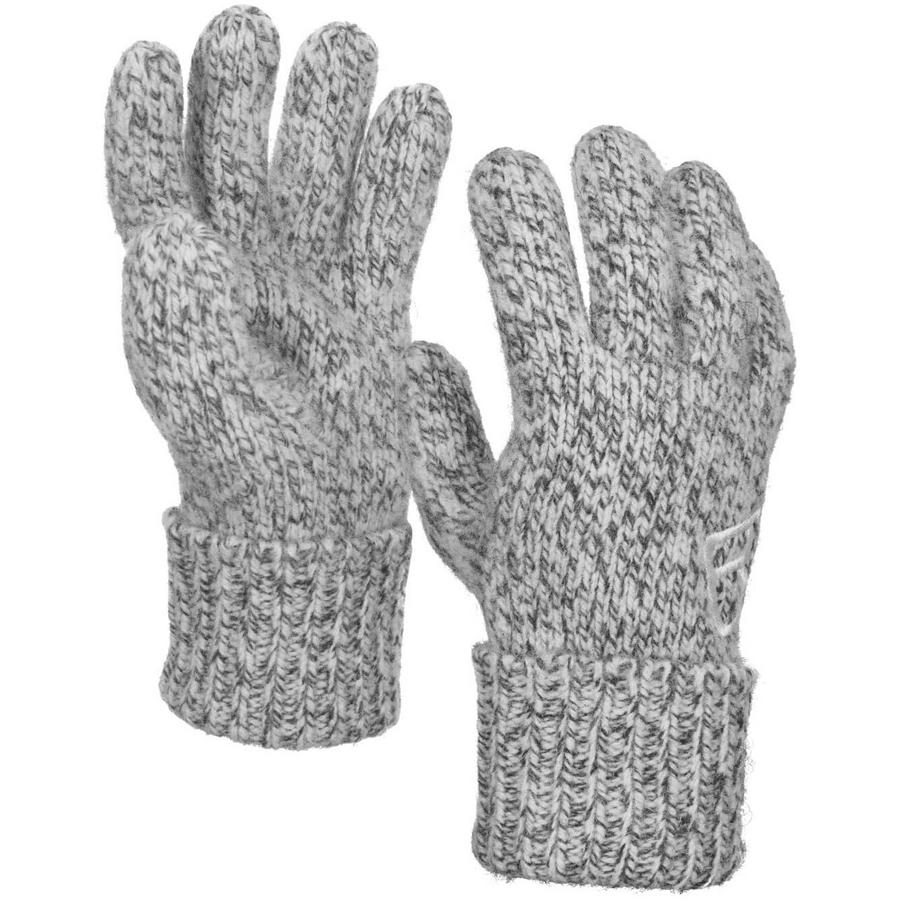
Yes, you need waterproof gloves and we don't advise using standard wool gloves - if you're heading to the snow, you'll need some technical gloves or mitts. Wet hands are cold hands, so look for waterproof and breathable membranes like Gore-Tex or similar tech. These materials keep moisture out while allowing sweat to escape.
Are Gloves with Wrist Guards a Good Idea?

If you're learning to snowboard or want extra protection, gloves with built-in wrist guards are a smart choice. They add support to reduce the risk of wrist injuries, which are common for beginners and park riders.
What Are Park Gloves?

Park gloves are typically thinner and more flexible, designed for riders who spend a lot of time hitting rails, boxes, and jumps. They prioritise dexterity and grip over warmth, making them ideal for freestyle sessions.
What Should I Look for in Kids' Gloves or Mittens?

For kids, warmth and waterproofing are crucial since little hands get cold faster. Look for adjustable cuffs, wrist leashes (so they don’t lose them), and easy on/off designs. Some kids' gloves also come with extra insulation and fun designs to keep the little ones stoked on their snow days.
Shop Kids' Gloves / MittsWhat Gloves Are Best for Spring Conditions?

In spring or warmer conditions, lightweight gloves or even pipe gloves work best. These gloves offer more breathability and less insulation, so your hands don’t overheat when the sun’s out.
Should I Use Glove Liners?

Glove liners are a great addition for extra warmth in cold conditions. They’re usually made from lightweight, moisture-wicking materials like merino wool or synthetic fabrics. Plus, you can remove them when it warms up for better temperature control.
How should ski and snowboard gloves fit?

Your gloves should fit snugly but still allow for finger movement. Make sure there’s a little space at the fingertips for warmth, but not so much that you lose dexterity.
To find the right fit, measure the circumference of your hand around the widest part of your palm (excluding the thumb) and check the manufacturer's size chart. Some gloves also list hand length measurements for even better accuracy.
What’s the Difference Between Gauntlet and Under Cuff Gloves?

Gauntlet gloves extend over your jacket sleeve, providing extra warmth and better protection against snow getting in—great for powder days.
Under cuff gloves sit beneath your jacket for a more streamlined, low-profile fit, often favoured by park riders and those who prioritise dexterity.
What Are The Other Features I Should Consider?
Wrist Leashes: Handy for taking gloves off on the lift without dropping them. They're not just for kids, we can all do it!
Touchscreen Compatibility: So you can use your phone without freezing your fingers.
Antibacterial Treatment: Helps prevent odours and keeps your gloves fresher for longer.
Grippy Palm: Enhanced grip, sometimes using silicone, for better control when holding poles, grabbing your board, or carrying gear.
Hand Warmers: Long-lasting hand warmers slip into your gloves or mitts to keep your fingers extra toasty.
Final Tips
The right gloves or mittens won’t just keep your hands warm and dry—they’ll also protect them from snow burn and scrapes if you take a tumble.
Take the time to find the perfect pair, and your hands will thank you every turn of the way!

Ski & snowboard glove FAQs
Are mittens warmer than gloves?
Yes. Your fingers share warmth in a mitten, which makes them the warmest option. Gloves give more dexterity.
Can I wear normal wool gloves skiing?
We don't recommend it. Wool gloves soak through in the snow. Choose waterproof, breathable ski or snowboard gloves.
How should ski gloves fit?
Snug, with a little space at the fingertips. Measure around the widest part of your palm, excluding the thumb, and check the size chart.
Should I get gauntlet or under-cuff gloves?
Gauntlets go over your jacket sleeve and keep snow out best. Under-cuff gloves sit under your sleeve for a slimmer fit.
Are glove liners worth it?
If you feel the cold, yes. Liners add warmth, wick moisture and can be removed on warmer days.
Complete your kit
More advice: Wrist Guards Explained · Glove Size with Wrist Guards · What to Wear Skiing & Snowboarding
Still not sure what you need?
Our team are here to help. Contact Our Experts or browse our Snowboard Buying Guides and Ski Buying Guides.